

Smart home lighting systems are transforming how households save energy and money, offering substantial efficiency upgrades compared to traditional lighting setups. If you want to cut costs, automate routines, and reduce your carbon footprint, the right smart lighting strategy is essential—though not always as simple as it sounds. Here’s what you really need to know.
Key Takeaways
- Smart lighting can cut lighting energy use by 7–27% and deliver cost savings up to 70% when paired with automation features.
- Motion sensors, schedules, and dimmers maximize savings, but setup complexity and compatibility issues are real concerns.
- Integrating smart lighting with other home automation—like thermostats—can boost savings but requires careful planning.
- What Makes Smart Home Lighting Systems a Game-Changer?
- Step-by-Step Guide: Max Out Energy and Cost Savings
- Advanced Analysis & Common Pitfalls Explained
- Conclusion: Your Best Next Steps
- FAQ: Smart Home Lighting Systems
What Makes Smart Home Lighting Systems a Game-Changer?
Smart home lighting systems combine energy-efficient LED technology with real-time controls, sensors, and automation. By using occupancy sensors, programmed schedules, and adaptive dimming, homeowners can reduce energy waste and save money without sacrificing comfort.

Traditional incandescent bulbs waste energy—LEDs already use at least 75% less power, but adding smart tech like motion sensors drives savings even higher. According to recent research, smart lighting systems can trim 7–27% from overall light-related energy use, while integrated controls can lift these savings up to 70% on lighting costs.
The financial upside is clear—lighting is roughly 15% of a home’s electricity use, so upgrading can mean hundreds of dollars saved annually. For example, swapping traditional bulbs for ENERGY STAR-rated LEDs can save $225 per year—and the results only improve when you add smarts. Want the ultimate guide to picking energy efficient bulbs? Check out our Energy Efficient Light Bulbs review.
Beyond the numbers, smart home lighting provides unmatched customization and integration. With voice controls, mobile apps, and routines that adapt when you leave the house or clouds pass by, these systems offer more control and more chances to cut waste. This automation extends to managing entire home environments, pairing with thermostats for seamless whole-home energy routines.
Ready to move past unsatisfying switches and high bills? Let’s make sure you get real results—not just hype.
Step-by-Step Guide: Max Out Energy and Cost Savings
Follow this actionable checklist to optimize smart home lighting setups for real savings:
- Audit Existing Lighting: Record every fixture and bulb type. Identify rooms with lights frequently left on.
-
Switch to LED Smart Bulbs: Replace all incandescent and CFLs with LED smart bulbs. Focus on ENERGY STAR-certified products for guaranteed efficiency.
More detail in our Energy Saving Light Bulbs guide. - Strategic Automation Placement: Install motion sensors in high-traffic spaces (hallways, closets, bathrooms) and smart switches in main living areas.
- Set Schedules: Use your app to program off/on times suited to your daily routines—especially for nighttime and travel.
- Leverage Adaptive Dimming: Enable features that dim lights based on ambient brightness or time of day, pushing savings as much as 30%.
- Integrate With Thermostats: Pair your lighting system with smart thermostats to enable energy-saving scenes when the home is occupied or empty (source).
- Monitor and Analyze: Use app dashboards or your energy management system (EMS) to track trends and tweak automations for maximum impact.
- Educate Household Members: Train everyone on using smart controls and voice assistants. More engagement means fewer lights left on.
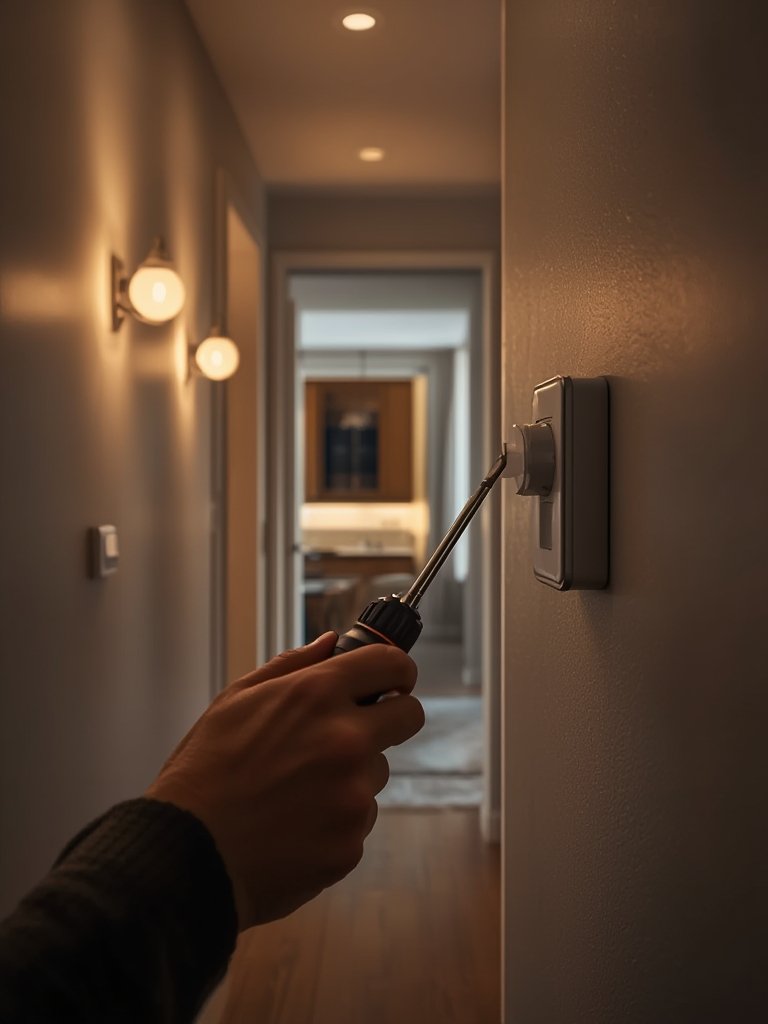
Want inspiration for integrating lighting with other home features? See our Lutron Caseta Smart Switch review for top automation tips.
For a full beginner-to-advanced checklist—plus tips for every room in your home—see Smart Home Lighting: Transform Every Room With Intelligent LED Solutions.
And don’t forget the basics: Upgrading lamps makes a difference, too. Explore our proven guidance on floor lamps for additional energy savings.
Advanced Analysis & Common Pitfalls Explained
Despite the strong savings, smart home lighting systems come with caveats. Here’s what commonly trips up homeowners and how to avoid disappointment.
Common Pitfalls
- App & Ecosystem Confusion: Not all brands interoperate. Many require separate apps, which can be frustrating when automating multiple brands (e.g., mixing Philips Hue with other smart switches).
- Installation Complexity: DIY installation works for some bulbs, but smart switches, sensors, or whole-home systems can be tricky—especially in older homes where wiring isn’t compatible.
- Upfront Cost Shock: The average smart bulb is about $42, with some like Philips Hue topping $90. However, less expensive options (like Cree 60W for $2.24) plus cost reductions over time can still lead to a positive ROI (source).
- Real Savings vs. Expectations: Energy savings vary by household. Over-optimistic marketing can oversell payback speed—results depend on how much you automate, occupancy patterns, and how disciplined your routines are.
- Technical Limitations: Most solutions claim Wi-Fi or Bluetooth compatibility, but issues with Zigbee/Z-Wave gateways or older smartphones can limit features. Review home network capabilities before major upgrades.
Integration with other smart devices amplifies energy savings but requires research. For example, pairing with a thermostat like Nest can generate 8-15% additional heating/cooling savings (source). However, unified app control isn’t always seamless—always check for direct compatibility or a shared hub system.
| Feature | Potential Savings | Downside |
|---|---|---|
| Motion Sensors | 7–27% energy reduction | Requires optimal placement and can trigger false activations |
| Schedules | Up to 30% more efficient with LEDs | Needs regular adjustments with changing seasons |
| Adaptive Dimming | Up to 30% reduction in use | Feature may be limited by some bulb brands |
| Integration With Thermostat | Extra 8–15% savings on HVAC | Can require advanced setup and compatible devices |
Learn more about how specific smart bulbs and switches stack up in our deep-dive Ultimate Guide to Smart Home Lighting for Beginners.
Upgrading other lighting like kitchen pendant fixtures or LED step lights? Pair them with your new system for additional safety and efficiency.
Conclusion: Your Best Next Steps
Smart home lighting systems promise both energy savings and smarter, more comfortable living. Results depend on the technology you choose, how you automate, and whether you avoid common pitfalls like installation missteps or incompatible brands. Done right, you can cut annual costs—sometimes dramatically.
If you want to unlock all the benefits of smart home lighting systems, take the time to plan your upgrades, focus on proven automation, and integrate with your broader smart home. Ready to get started? Assess your lighting today, and begin your journey toward a truly energy-efficient home.
Need targeted product ideas or installation guidance? Dive into our latest guides or reach out for a tailored recommendation.
FAQ: Smart Home Lighting Systems
How much can I realistically save by upgrading to a smart home lighting system?
Most homes see lighting-related energy use drop by 7–27% with smart automation, and up to 70% lighting cost reductions when combining LEDs with advanced controls. Actual savings depend on automation sophistication and household habits. See this research for more details.
Are certain brands better for long-term savings?
ENERGY STAR-rated bulbs deliver reliable savings (around $225/year per house). While top brands like Philips Hue offer extensive features, budget-friendly options like Cree also deliver strong ROI. Compare features and compatibility with your existing smart home devices.
What are the biggest drawbacks to installing a smart lighting system?
Common issues include high upfront costs, installation complexity, app compatibility headaches, and lower-than-promised savings if not automated thoroughly. Careful planning and product selection minimize these risks.
How do I integrate smart lighting with other devices?
Use interoperable ecosystems (often via apps or a shared smart hub) to link lighting with thermostats, door locks, and blinds. Ensure your devices support the same protocol (Wi-Fi, Zigbee, Z-Wave) or choose systems known for broad compatibility. See more integration tips in our Lutron Caseta Smart Switch guide.
Can I automate every light in the house?
Yes, but prioritize high-use rooms first for the best ROI. Not all fixtures or lamps are easily upgradeable, but smart switches and plug adapters can often provide automation even in older homes or with specialty bulbs.