

### Blog Post:
Focus Keyword: WiFi Smart Bulbs Market Analysis
WiFi Smart Bulbs Market Analysis is reshaping how homes and businesses manage lighting, offering not just convenience, but insights into global adoption, technology trends, and future growth. If you want a no-nonsense breakdown of where this industry is headed in 2024 and what decisions you should make, this report covers the essentials, highlights the gaps, and points you to actionable opportunities in the market.
Key Takeaways
- WiFi smart bulbs are a leading choice in the expanding smart lighting market due to easy integration and remote control.
- Europe leads in smart lighting market share, but Asia Pacific is the fastest-growing region through 2032.
- User experience, competitive differentiation, and regulatory issues show gaps in available industry information.
- The Core Concept: What Drives the WiFi Smart Bulbs Market?
- Step-by-Step Guide: How to Navigate the WiFi Smart Bulbs Market in 2024
- Advanced Analysis & Common Pitfalls
- Conclusion
- FAQ
The Core Concept: What Drives the WiFi Smart Bulbs Market?
WiFi smart bulbs combine wireless convenience with energy efficiency, helping residential and commercial users simplify lighting control through mobile apps or smart home systems. Their popularity rides on three factors: seamless integration with existing WiFi, app-based remote management, and compatibility with evolving smart home platforms.
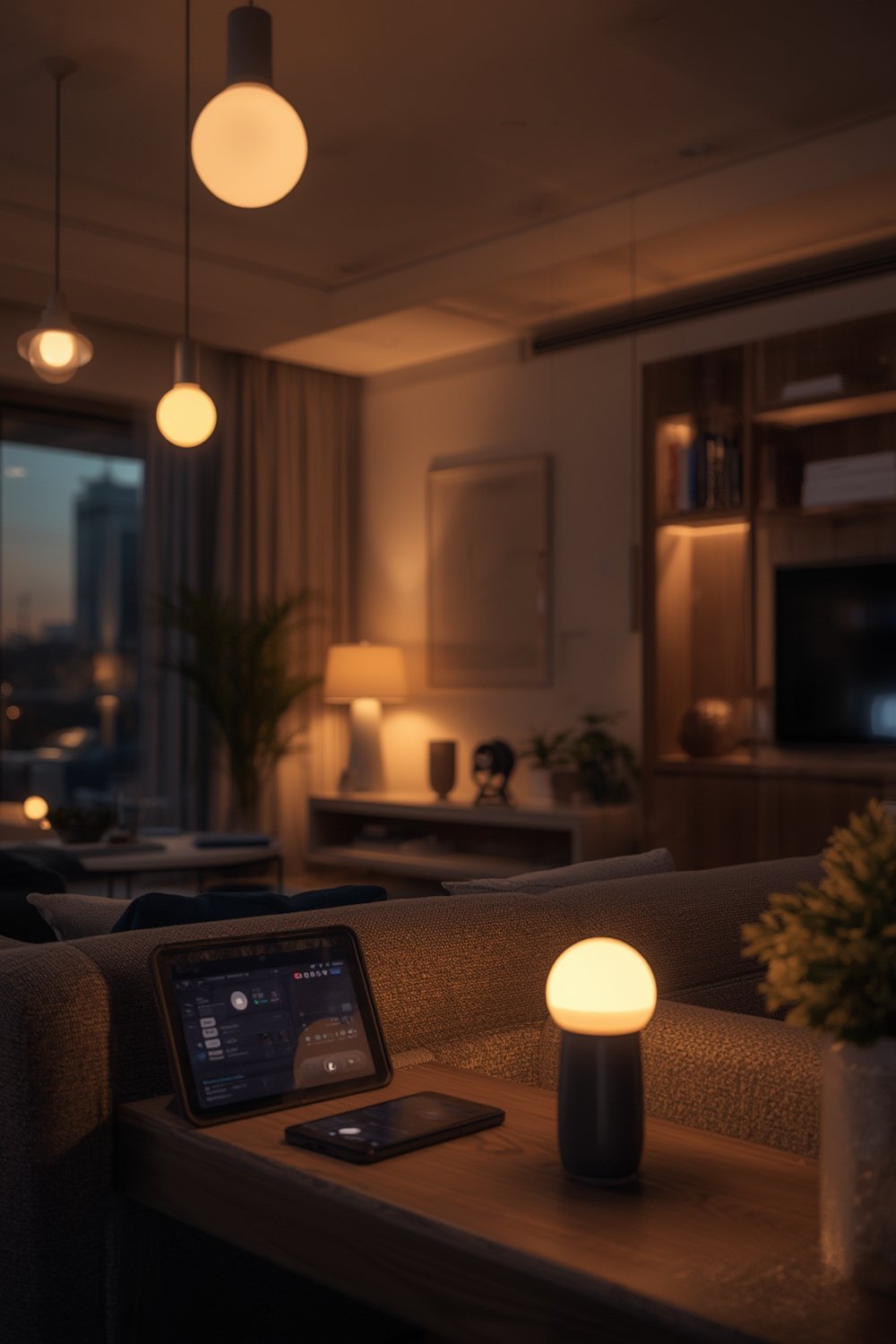
Verified industry research shows the smart light bulb market hit roughly $4 billion in 2023 and will climb to $13 billion by 2032 at around 20% CAGR. WiFi-enabled devices are central to this momentum, offering straightforward plug-and-play adoption for most consumers. This straightforward adoption gives WiFi smart bulbs an edge over Bluetooth-, Zigbee-, and Z-Wave-based rivals, all while fitting easily into existing home or office networks.
For people seeking energy savings, WiFi smart bulbs often use modern LED technology, aligning closely with the strategies outlined in our proven Energy Efficient Light Bulbs guide.
But the appeal goes beyond tech—smart bulbs let you adjust color temperature, brightness, and even automate routines with minimal technical know-how, blending energy efficiency with personalization and remote access.
Step-by-Step Guide: How to Navigate the WiFi Smart Bulbs Market in 2024
Ready to select, deploy, and optimize smart lighting? Follow these concrete steps, whether you’re a homeowner, landlord, or decision-maker equipping a workspace.
- Define Your Lighting Needs
Identify rooms or zones where you want remote lighting, color changes, or scheduling.
For sleep benefits, see our Sleep Friendly Light Bulbs strategies. - Check WiFi Coverage
Confirm your router covers the installation areas. Dead spots can cause connectivity frustrations. - Choose High-Quality WiFi Smart Bulbs
Compare brands for reliability, color accuracy, and smart app support. Prioritize those with firmware updates and strong app reviews. - Set Up and Link Devices
Download the manufacturer app, connect the bulbs by following in-app steps, and test responsiveness. - Integrate with Other Smart Devices
Pair bulbs with smart speakers or switches for voice or broad automation. For advanced control, see ideas in our Lutron Caseta Smart Switch resource. - Monitor and Automate Usage
Use scheduling features and scene creation to maximize efficiency and comfort. Many apps provide energy usage data for comparison. - Troubleshoot as Needed
Issues like lag or disconnects are often fixed by updating apps or firmware, moving your router, or resetting the bulb. Community forums and help guides often solve 90% of issues. - Explore Advanced Features
Try integrating bulbs with advanced routines or mood settings—great for kitchens, living rooms, or outdoor settings. See inspiration in our Govee Outdoor LED Lights or Kitchen Island Light Fixtures guides.
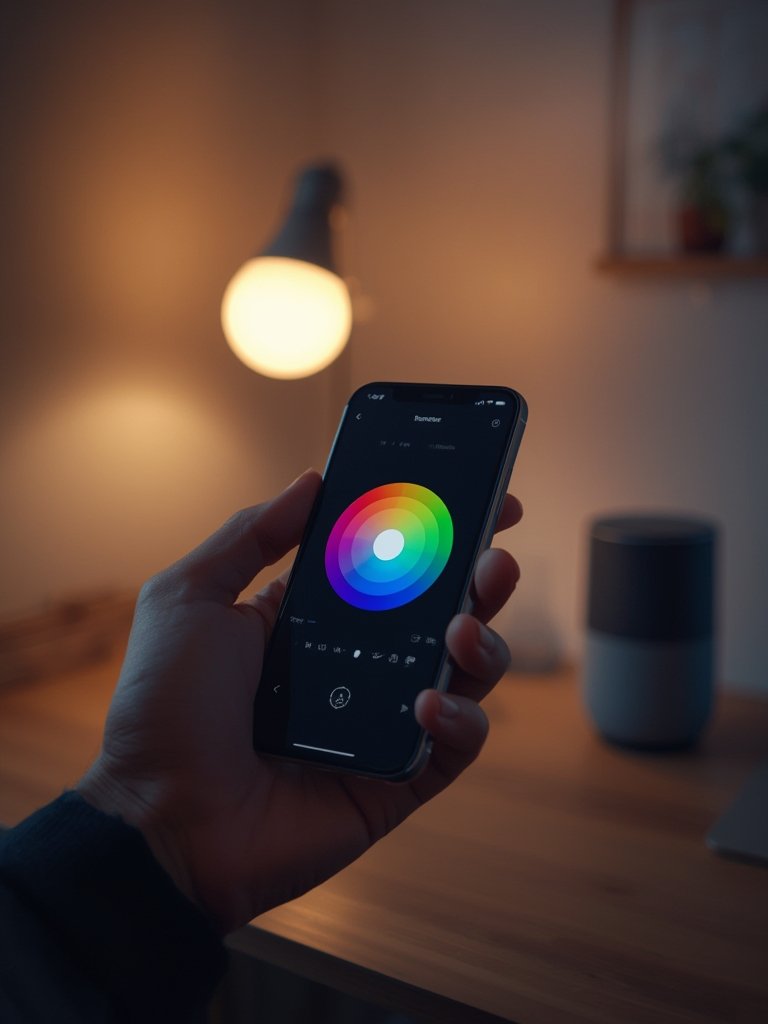
If energy savings are your top priority, WiFi smart bulbs can be combined with classic Energy Saving Light Bulbs for best results—especially in high-traffic areas.
Advanced Analysis & Common Pitfalls
Research confirms booming growth, with the global smart lighting market valued at $22.45 billion (2024) and expanding fast. Yet, deeper analysis finds some persistent gaps and challenges for consumers and the industry alike.
- User Feedback Limitations: Available data rarely covers real-world pain points like app crashes, WiFi dropout, or smart home compatibility conflicts. Reviews are often brand-specific instead of market-wide.
- Cost Transparency: There’s little accessible comparison between cost of ownership for color smart bulbs vs standard LEDs, leaving many uncertain about ROI. Our Energy Efficient Light Bulbs guide offers practical savings insight.
- Security & Privacy: Very few studies analyze WiFi vulnerabilities or data privacy protections built into these bulbs, especially when using cloud-based control platforms.
- Regulatory & Certification Gaps: No reliable summary exists yet of changing 2024 compliance rules—such as energy labeling or cyber standards—impacting the shipment or installation of WiFi smart bulbs in different countries.
- Technical Nuance: The distinction between Alexa- and Google Home-compatible bulbs, or bulbs with unique features (like sunlight mimicry or adaptive dimming), is rarely analyzed side-by-side.
Regard these as areas for further research or consideration when making purchase decisions in 2024.
| Region | 2024 Market Value (USD) | Growth Rate (CAGR) | 2032 Projected Value (USD) |
| North America | $1.5 billion | 18% | $5 billion |
| Europe | $1 billion | 17% | $3.5 billion |
| Asia Pacific | $900 million | 22% | $3.2 billion |
Europe holds the largest market share, while Asia Pacific is predicted to outpace other regions in growth, making it a strategic choice for brand expansion and new product development. For more on application-specific lighting innovation, check our guides on contemporary floor lamps and Personalized LED Neon Signs.

Conclusion
The WiFi Smart Bulbs Market Analysis shows a vibrant sector set for dramatic growth, but success depends on understanding the regional landscape, the limitations of current hardware/software, and the regulatory context. Users and businesses need to do deeper research into usability, compatibility, and security before full adoption. For ongoing energy savings and smarter lighting, combine WiFi smart bulbs with lessons from proven guides above—and revisit the WiFi Smart Bulbs Market Analysis regularly for up-to-date insights.
Ready to take the next step in your lighting upgrade? Review our latest guides for application-based solutions, and make smarter purchases that maximize comfort, efficiency, and control.
FAQ
How big is the WiFi smart bulbs market in 2024?
The global smart bulb market is around $4 billion in 2023, with WiFi-enabled bulbs as one of the dominant segments. The total smart lighting market is valued at $22.45 billion in 2024 and is rapidly expanding.
Are color-changing WiFi smart bulbs worth the price?
Color-changing WiFi bulbs add ambiance and flexibility, but upfront costs can be higher than standard LEDs. Long-term energy savings and personalization may justify the investment, depending on your needs.
Which region is growing the fastest in the WiFi smart bulbs market?
Asia Pacific is projected to have the highest growth rate, making new investments and technology launches especially promising in this region.
What are the main challenges with WiFi smart bulbs?
Common challenges include WiFi connectivity issues, app bugs, compatibility with smart home platforms, and a lack of clarity about security standards or regulatory changes.
How can I maximize savings with WiFi smart bulbs?
Combine WiFi smart bulbs with other energy-saving strategies, such as scheduled automation and efficient fixture placements. Guides on energy efficient bulbs offer actionable tips.
—