

Smart lights compatible with Alexa are now a top pick for anyone upgrading their home lighting in 2024, thanks to rapid adoption, seamless voice control, and increasing cross-platform compatibility. Whether you’re seeking efficiency, reliability, or advanced automation, today’s options offer more flexibility than ever—yet real-world pain points like setup frustration, compatibility limitations, and security concerns remain critical for buyers to address.
Key Takeaways
- Over 60% of new smart lights in the US support Alexa, driving rapid market growth and integration.
- Matter protocol, Zigbee mesh networking, and energy efficiency are must-have features buyers often overlook.
- High installation costs and interoperability issues remain common headaches despite advances in technology.
- What Are Smart Lights Compatible With Alexa & Why Do They Matter?
- How to Set Up and Optimize Alexa-Compatible Smart Lights
- Smart Lights for Alexa: Advanced Analysis & Pitfalls to Avoid
- Conclusion
- Frequently Asked Questions
What Are Smart Lights Compatible With Alexa & Why Do They Matter?
Smart lights compatible with Alexa, also known as Alexa-enabled bulbs or fixtures, are lighting devices designed to be controlled via Amazon Alexa voice commands or the Alexa app. In 2024, these devices account for over 60% of new smart lighting purchases in the US, reflecting the demand for hands-free convenience, advanced routines, energy management, and integration with other smart home products (source).
The global smart lighting market is booming—valued at up to $27.3 billion in 2024 with expectations to cross $68 billion by 2030—driven by easy retrofits, AI-powered features, and regulatory pushes for energy efficiency (source; source). Alexa-compatible lights complement this growth, accelerating adoption by integrating with broader ecosystems like Google Assistant and Apple HomeKit and supporting protocols such as Zigbee and Matter or Zigbee for frictionless voice and app control.
For homeowners, renters, and tech enthusiasts, Alexa-compatible smart lights deliver significant value: automatic on/off scheduling, dynamic mood lighting, energy saving routines, and streamlined integration with other connected devices. The shift toward smart automation in residential and business settings underpins the massive projected CAGR (14.9-19.8%) for smart lighting through 2030 (source).
To get results from your smart lighting investment, it’s crucial to go beyond color choices and brand hype. Focus on compatibility (Matter and Zigbee), reliability, and features that directly impact daily living and energy use. For even more ways to optimize energy use, check out our guide to energy efficient light bulbs.
How to Set Up and Optimize Alexa-Compatible Smart Lights
Setting up smart lights with Alexa is relatively simple, but optimizing for reliability and functionality requires a strategic approach. Below are step-by-step actions you should take for seamless integration and effective automation.
- Choose lights supporting Matter or Zigbee: These protocols offer enhanced reliability, broader compatibility, and future-proofing. Philips Hue, Govee, and Lutron Caseta (see Lutron Caseta Smart Switch) rank high for robust integration due to built-in mesh networking or upgraded protocol support.
- Install your smart lights: Follow the manufacturer’s instructions. Zigbee and Wi-Fi models are ideal for most homes. Put your hub or bridge centrally for optimal Zigbee mesh coverage.
- Connect via Alexa app: In the Alexa app, tap Devices > “+” > Add Device > Choose Light/Brand. If the brand supports Matter, connect it using the QR code from your product packaging.
- Create automations and groups: Inside the Alexa app, group lights by room or function (e.g., “Living Room” or “Evening Ambiance”) for hands-free control.
- Tune energy and wellness settings: Schedule night routines, set circadian rhythms, and enable vacation mode for security. To further boost your sleep environment, explore sleep friendly light bulbs.
- Expand with scenes, sensors, and smart switches: Integrate motion sensors, smart switches, or third-party routines for complete automation. See our guide to LED step lights to add safety to your home lighting layout.
Want your whole home connected? Combine smart bulbs with LED strip lights, floor lamps, or Govee outdoor LED lights for layered lighting and comprehensive smart home coverage.
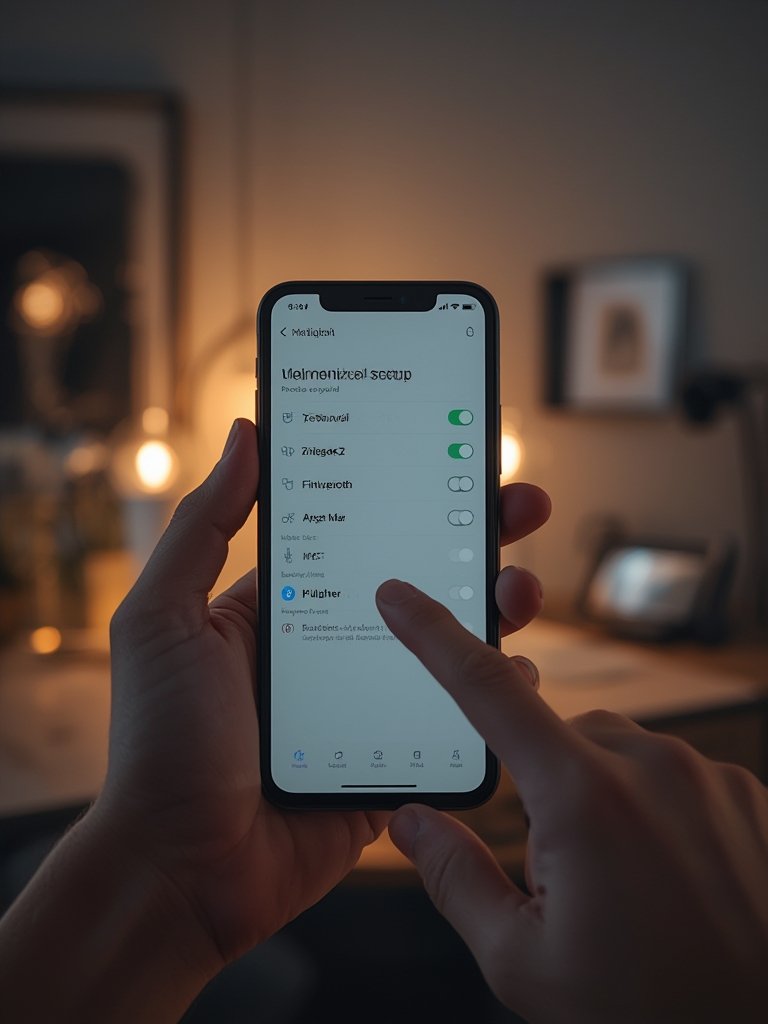
To further maximize efficiency, leverage Alexa Routines for daily or energy-saving actions—like automatically dimming brightness at set hours or activating energy saving light bulbs during peak energy pricing.
Smart Lights for Alexa: Advanced Analysis & Pitfalls to Avoid
Despite industry buzz, the reality is that installation and long-term satisfaction with Alexa-compatible smart lights hinge on three main obstacles: upfront costs, interoperability issues, and overlooked energy optimization features. Here’s what advanced users and market data reveal.
Common Pitfalls and How to Avoid Them
| Challenge | Why It Matters | Solutions & Workarounds |
|---|---|---|
| High Installation Costs | Advanced systems (especially for large homes) require initial investment and possibly pro installation, deterring buyers in cost-sensitive regions (source). | Start with modular systems (Zigbee or Wi-Fi bulbs) and expand gradually. Look for manufacturer rebates or energy efficiency incentives. |
| Interoperability Challenges | 15% of potential market growth is limited by devices not working together—especially older hardware and proprietary protocols. | Filter for Matter-certified and Zigbee mesh lighting to ensure painless multibrand Alexa integration. |
| Missed Energy and Sustainability Features | Overlooked by many, these can drive 25% more value—regulatory compliance, power monitoring, and eco-modes add up to long-term savings. | Prioritize energy-star or high-efficiency models; explore features for scheduling and reporting within Alexa or the manufacturer app. See energy efficient light bulbs and kitchen island light fixtures for more inspiration. |
| No Universal “Best” Model | No single Alexa-compatible light is the fastest or most reliable—real results depend on your home’s Wi-Fi, Zigbee coverage, and how you set up routines. | Use mesh networking to increase response speed and reliability. Avoid mixing too many brands in the same setup if possible. |
| Neglecting Security Considerations | Though explicit privacy risks are rare in 2024, larger installations may benefit from hybrid (wired plus wireless) builds for greater control and compliance. | Check for manufacturer privacy disclosures and firmware update support; for secure, large-scale jobs, wired options (as used by Legrand or Osram) could be critical, especially in offices or multi-dwelling sites. |
Advanced Buyer Checklist
- Matter and Zigbee mesh support: Ensures future-proof interoperability, especially as smart home devices multiply (source).
- Energy efficiency certifications: Look for energy-saving features and regulatory badges.
- Seamless Alexa integration: Stick to brands with proven Alexa skills and regular over-the-air updates.
- Expandable automation: Prioritize systems with compatibility for motion sensors, switches, and scenes.
- Support and warranty: Choose brands with reliable customer service and firmware update commitments.
Price Range Insights
While specific price averages are elusive, expect to pay a premium for Matter or Zigbee mesh-enabled, high-efficiency smart lights. Entry-level Alexa-compatible bulbs can start as low as $10-$15 per bulb, while advanced kits (like full-room or multi-room setups with hubs) may range from $80 to several hundred dollars. Factor in potential installation help if building out a complete home or office system. As always, balance upfront cost with long-term energy savings (source).
Conclusion
Smart lights compatible with Alexa are the centerpiece of the evolving smart home—delivering powerful, voice-activated convenience, improved safety, and persistent energy savings. Prioritize Matter and Zigbee support, and invest in reliable brands with energy efficient features. Don’t let interoperability or installation frustrations slow you down: with the right plan and a focus on realistic, actionable steps, you’ll unlock advanced smart lighting functionality today.
Ready to start? Explore our deeper guides on energy efficient light bulbs, outdoor LEDs, and optimized controls like smart switches—and take your automation game up a level with the best smart lights compatible with Alexa on the market.
Frequently Asked Questions
Are all smart lights compatible with Alexa?
No, not all smart lights natively work with Alexa. Always check product details for Alexa integration or support for related protocols like Matter and Zigbee.
Is Zigbee or Wi-Fi better for Alexa-controlled lights?
Zigbee offers more reliable mesh networking and failover for large homes or complex setups, but Wi-Fi lights are easier for beginners and small apartments.
How do I fix smart lights that go offline or stop responding to Alexa?
First, check your network connection and ensure your hub or bridge is powered on and up-to-date. Reboot devices, move your bridge to a central spot, and use mesh networking for best reliability.
Do smart lights increase electricity bills?
No, most smart lights are LED-based and use less power than traditional bulbs. Routines and automation further optimize usage for energy savings.
What’s the best way to automate routines with smart lights?
Use the Alexa app’s Routines feature to automate on/off, dimming, or scene changes based on time, occupancy, or triggers like voice commands or motion sensors.