

Outdoor smart lighting market trends in 2024 are redefining how cities, businesses, and homeowners approach exterior lighting, making it smarter, more adaptable, and far more energy efficient than ever before.
Key Takeaways
- Outdoor smart lighting is the fastest-growing segment in the global smart lighting market, projected to expand with a CAGR of 20.6% from 2025 to 2034.
- Market growth is fueled by intelligent streetlights, energy savings, and advanced IoT and wireless tech integration for safer, smarter public spaces.
- Real-world adoption is booming in Europe and Asia Pacific; however, users still face challenges including installation complexity, integration gaps, and limited cost transparency.
- Understanding the Outdoor Smart Lighting Market
- Step-by-Step Guide to Smart Outdoor Lighting Adoption
- Advanced Analysis and Common Pitfalls
- Conclusion
- Frequently Asked Questions
Understanding the Outdoor Smart Lighting Market
Outdoor smart lighting is transforming not only how we illuminate our streets and public spaces but also how we approach safety, sustainability, and connected living. In 2024, this sector is driving the broader smart lighting industry, with global market value reaching USD 22.45 billion, forecasted to surge to USD 165.89 billion by 2034. Much of this momentum is powered by the rapid deployment of intelligent outdoor solutions—including streetlights and area lighting—across cities, airports, parking lots, sporting and industrial complexes.
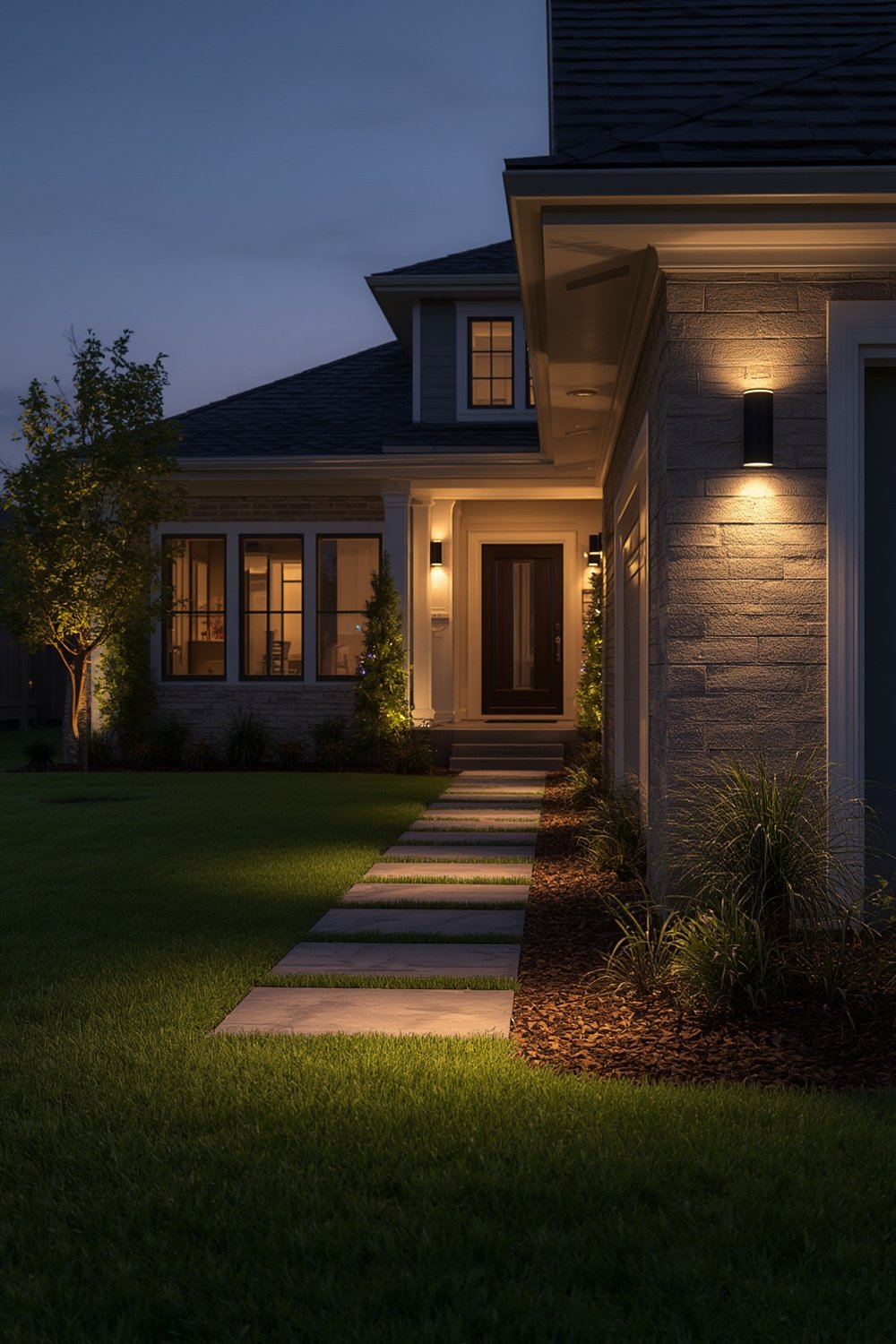
Europe currently leads with 38% of the market share, but Asia Pacific is catching up quickly, reflecting mounting urbanization and smart city investments worldwide (source). In North America, growth is nearly as strong, with a USD 3.9 billion valuation and double-digit annual expansion expected (source).
The reasons are clear: outdoor smart lighting systems do more than just illuminate; they react to environmental conditions, conserve energy, and serve as platforms for IoT and wireless communications (source).
For readers looking to make their lighting more sustainable, check out our guide to Energy Efficient Light Bulbs for proven strategies on reducing electricity bills indoors and outdoors.
Step-by-Step Guide to Smart Outdoor Lighting Adoption
Moving to smart outdoor lighting requires clear planning and a practical understanding of available technologies. Here’s a step-by-step breakdown to help you navigate the process for your home, business, or municipality:
- Assess Your Needs
Map out your property or area. Determine if you require simple path and landscape lighting, smart streetlamps, or multi-zone systems for larger complexes. - Choose Compatibility and Connectivity
Outdoor smart lighting systems vary in protocol (Wi-Fi, Zigbee, Bluetooth, LoRaWAN). Consider compatibility with your smart home or city platform and the robustness of wireless coverage. - Prioritize Energy Efficiency
Opt for LED and solar-powered smart lights. These options dramatically cut power consumption and maintenance costs. Our roundup of Energy Saving Light Bulbs offers practical advice for maximizing efficiency. - Choose a Control Platform
Decide between app-based controls, automation, or integration with platforms like Google Home, Alexa, or proprietary municipal systems. - Consider Safety and Durability
Look for systems with weatherproof ratings (IP65 or better) and certifications for electrical safety. - Integrate Security Features
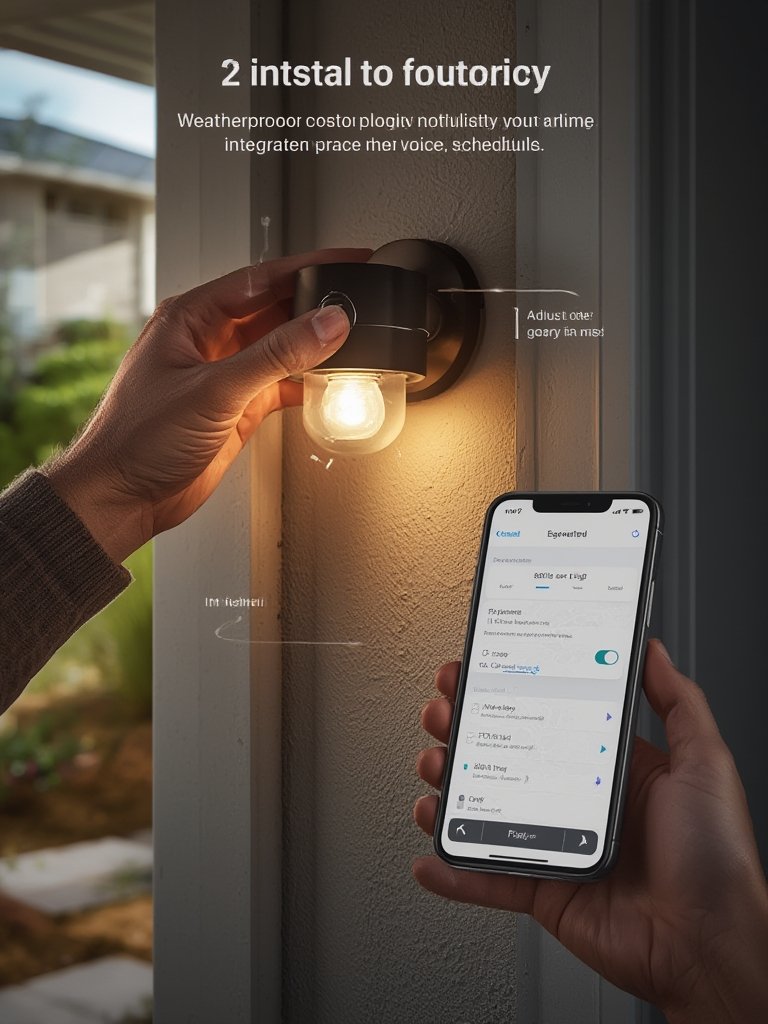
Many smart lighting systems offer motion sensing, programmable schedules, and remote monitoring. For advanced options, see our guide to Solar Motion Sensor Flood Light. - Plan for Installation
Factor in whether you’ll DIY or need a professional. Complex integrations or municipal-scale deployments often require an electrician or specialist—it’s crucial for both performance and compliance.
If you want a deep dive on integrating LED technology indoors, review our comprehensive evaluation of Floor Lamps And Standing Lamps for transformative lighting ideas.
For patios and entertaining spaces, see our expert-tested list of Govee Outdoor LED Lights for boosting ambiance with smart color and scheduling controls.
Advanced Analysis and Common Pitfalls
Adopting outdoor smart lighting comes with unique technical and logistical challenges. Here is what the latest research highlights, plus hard-won lessons from early adopters:
- Installation Complexity: Not all systems are plug-and-play, especially those requiring integration with existing security or municipal infrastructure. New wiring, Wi-Fi dead zones, or unfamiliar control protocols can lead to project delays.
- Connectivity Limitations: Outdoor environments often introduce connectivity blind spots and interference from building materials, foliage, or weather, which can impair responsiveness or automation reliability.
- Weather & Durability Risks: Not all smart lights are built to withstand heavy rain, snow, or exposure—always verify the IP (Ingress Protection) rating and warranty terms.
- Data & Security Concerns: Connected lighting is an entry point to your smart home network. Weak encryption and outdated firmware can expose you to cyber threats, making regular firmware updates and strong passwords essential.
- Cost Transparency: Precise cost breakdowns remain difficult to obtain—with hardware, installation, and customization leading to wide price variance. Most available data omits labor and ongoing maintenance costs.
- Mixed User Satisfaction: While overall adoption rates are surging, satisfaction varies by housing type, region, and how well the system integrates with other automation (landscaping, security, or municipal controls).
| Feature | Benefits | Potential Pitfalls |
|---|---|---|
| Wireless Control | Remote scheduling, zone control, energy tracking | Signal loss, tech incompatibility, security exposure |
| LED/Solar Integration | Lower energy costs, greener operation | Maintenance, brightness fluctuations, upfront cost |
| Smart Sensors & IoT | Automation and data for safety, efficiency | Complex setup, firmware bugs, cyber risk |
| Municipal Adoption | Safer streets, scalable management | Siloed systems, mixed compatibility, regulatory delays |
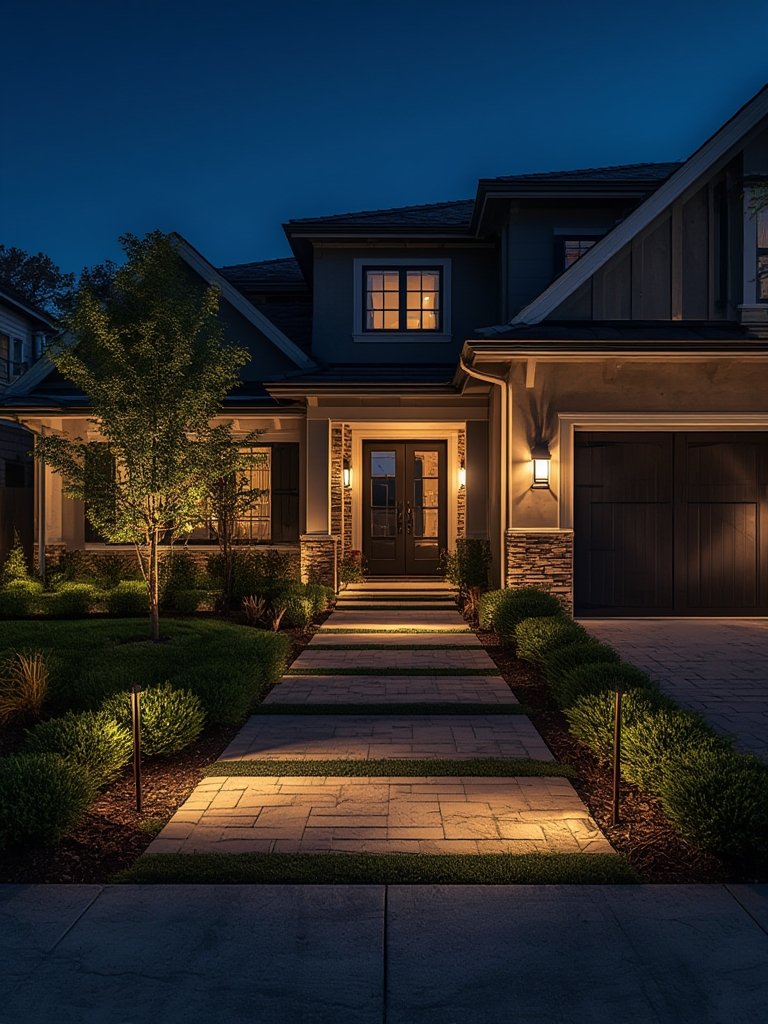
For enhancing pathway safety and energy management, don’t miss our practical tips for installing LED Step Lights or regulation-compliant outdoor fixtures for gardens and walks.
For further perspective on global smart lighting integration strategies, explore Precedence Research’s detailed market analysis.
Conclusion
Outdoor smart lighting market trends indicate enormous promise, but also underline the importance of careful planning, vetting durability, and clear-eyed budgeting. As cities and households demand better lighting, expect continued innovation—but also recognize installation challenges and integration hurdles along the way. Upgrade to smart solutions at your own pace, and leverage our practical guides and product reviews to make informed choices.
Ready to take your lighting strategy further? Start with our actionable resources on solar patio lights and keep an eye on our ongoing coverage of the evolving outdoor smart lighting market for the latest strategies and product insights.
Frequently Asked Questions
How fast is the outdoor smart lighting market growing?
The outdoor smart lighting segment is growing at a compound annual growth rate (CAGR) of 20.6% through 2034, making it the fastest-growing area within smart lighting.
What features should I prioritize in an outdoor smart lighting system?
Look for weatherproofing (IP65+), LED or solar integration, robust wireless controls, compatibility with your smart platform, and upgradable security features through firmware updates.
Are these systems DIY-friendly or do they require professional installation?
Some systems offer simple plug-and-play setups for basic path or patio lighting, while comprehensive street or landscape solutions typically require professional installation for safety and compliance.
Can I integrate outdoor smart lights with my home security system?
Many smart lighting products support integration with home security systems, providing automation such as motion-activated alerts or remote monitoring, but compatibility checks are critical before purchase.
What are the main pitfalls or drawbacks?
Common pitfalls include installation complexity, wireless interference, insufficient weatherproofing, hidden costs, and cybersecurity vulnerabilities if not regularly updated.