

Key Takeaways
- The floor lamps market is booming, led by demand for contemporary designs with smart-home integration.
- For functional lighting, specs like lumens, color temperature, CRI, and lamp stability matter far more than simple style choices.
- Lifespan, repairability, and user-friendly features are major gaps in most guides—choose lamps with replaceable LEDs, high CRI, and robust build.
- What Are Contemporary Floor Lamps and Why They Matter
- How to Choose and Use Contemporary Floor Lamps: Step-by-Step Guide
- Advanced Analysis and Common Pitfalls When Selecting a Floor Lamp
- Conclusion
- Frequently Asked Questions
What Are Contemporary Floor Lamps and Why They Matter
Contemporary floor lamps combine modern style with practical lighting performance. Unlike classic standing lamps, they use energy-efficient LEDs, clean lines, minimalist shapes, and smart controls. This makes them an essential fixture for interiors that value flexibility, sustainability, and visual impact.
What sets contemporary floor lamps apart is their ability to blend form and function: providing task, reading, or accent light while elevating décor. The global market for these lamps is expanding rapidly—reaching up to USD 37.85 billion in 2024 according to some sources, with clear growth in North America, Europe, and especially Asia-Pacific. The upswing is fueled by interior makeover trends, LED adoption, and growth in smart home devices.
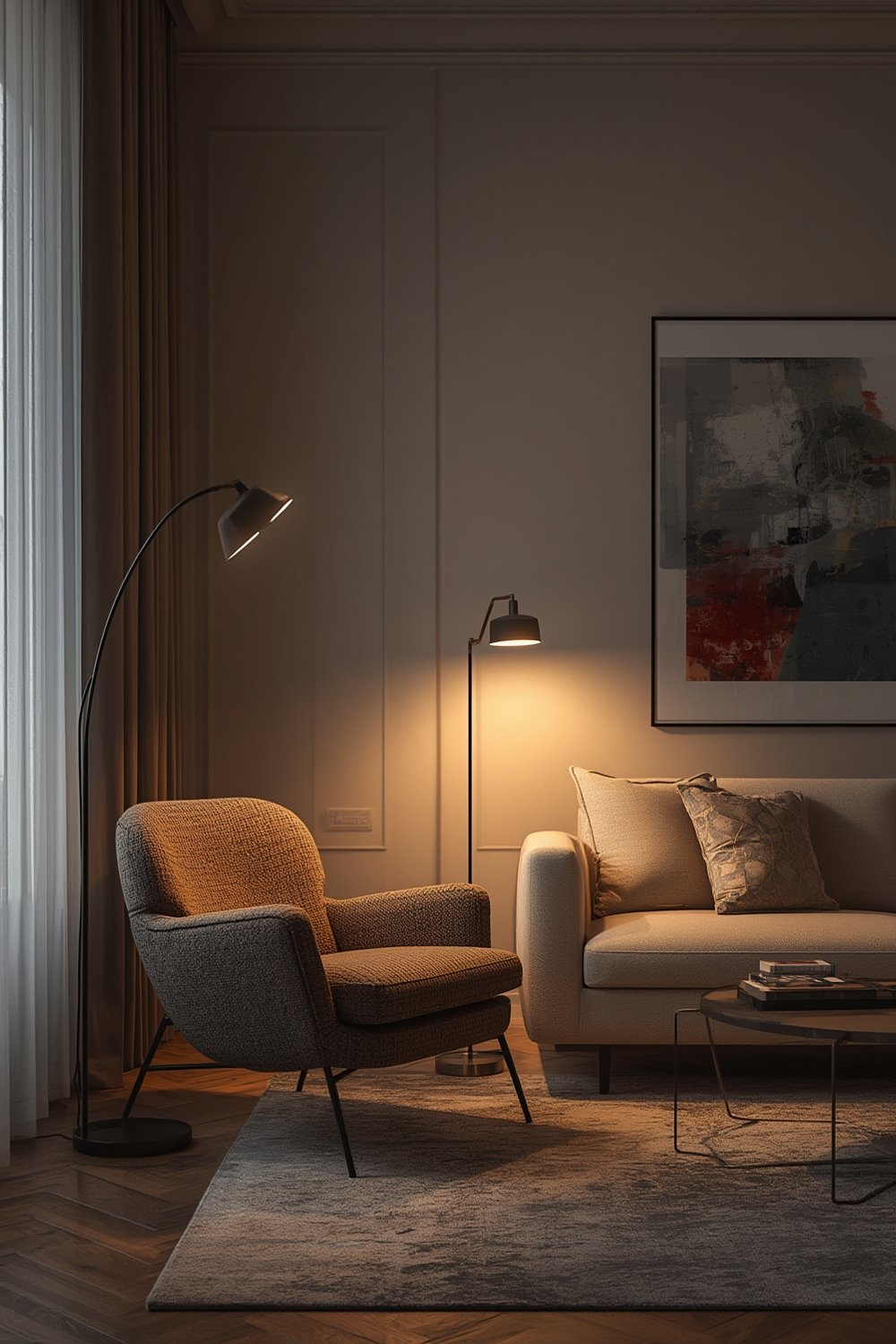
Buyers aren’t just seeking attractive lamps—they want adjustable brightness, sustainable design, and reliable performance. That means attention to light output (lumens), color quality (CRI, Kelvin), energy use, and durability. With interior spaces more important than ever post-pandemic, contemporary floor lamps address both ambiance and everyday lighting needs.
If you’re updating your space, learn more about the best ways to use standing lamps for living rooms for real transformation tips.
How to Choose and Use Contemporary Floor Lamps: Step-by-Step Guide
- Clarify your lighting goal.
Define whether you need ambient, task, accent, or reading light. For task or reading, focus on high-output lamps with good beam control.
- Check real specs, not just looks.
Key numbers: Lumens (≥800 for reading), color temperature (2700K–4000K), CRI (≥80 or, better, ≥90), dimming range, and replaceable LEDs or bulbs.
- Pick style and shape that fits your space.
Arc lamps can provide large reach over furniture, but require heavy bases. Minimalist lamps offer subtlety but sometimes lack stability.
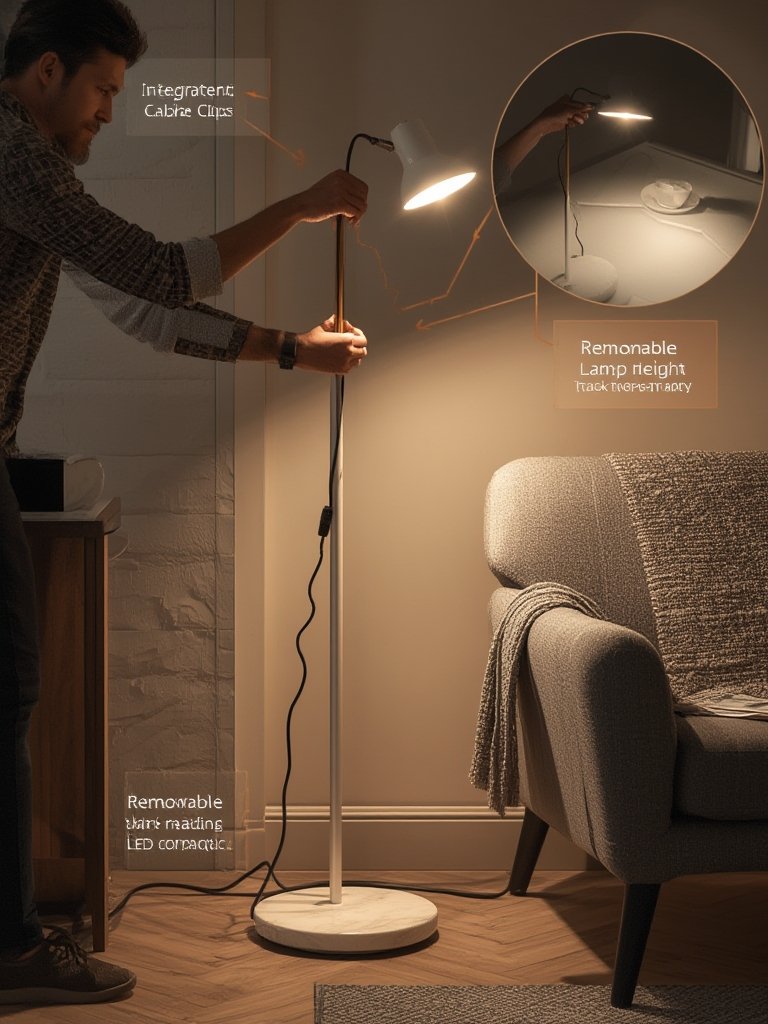
- Look for quality build & user-friendly assembly.
Seek metal bases, clearly labeled joints, and robust switches. Avoid ultra-light bases if you have pets, kids, or carpet.
- Decide on smart or manual controls.
If integrating with voice or app systems, choose lamps compatible with your preferred ecosystem, plus a backup manual switch.
- Consider sustainability and repairability.
Opt for lamps with replaceable LEDs or modular LED heads. Steer clear of sealed designs where the entire lamp is waste if the light source fails.
- Check cord length, safety marks, and certifications.
Ensure sufficient cable flexibility and that it meets local (UL, ETL, CE) safety standards.
- Review warranty and end-of-life options.
A good lamp will offer 2+ year warranties and instructions for recycling or refurbishing.
For outdoor or patio zones, focus on contemporary floor lamps designed with weather-resistant materials and elevated safety specs. Explore further outdoor LED solutions in this guide on boosting patio ambiance with outdoor LED lamps.
Want a deep dive into lamp types and budgeting? The section below covers up-to-date price ranges by type and channel, plus a direct comparison of specs that matter most for actual use.
Advanced Analysis and Common Pitfalls When Selecting a Floor Lamp
It’s easy to be drawn in by sleek finishes or designer names, but many buyers are dissatisfied after the fact due to missing or misunderstood specifications. Here’s what our market and user research uncovered for contemporary, LED, arc, and minimalist lamps as of 2024.
User Review Complaints: What Goes Wrong Most Often
- Poor light quality: Even “warm white” LEDs often skew blue or harsh. Watch for color temperature and CRI discrepancies.
- Stability risks: Arc and minimalist lamps with lightweight bases tip easily, especially on carpet or with kids and pets around.
- Non-replaceable LEDs: Sealed units mean whole lamp is trash if the LED fails—environmentally unsound and a long-term waste of money.
- Overstated brightness: Marketing lumens often do not reflect real-world use, especially for reading or by aging eyes.
- Smart control headaches: Pairing issues, unreliable memory, inconsistent app integration, and controls that don’t respond intuitively.
- Assembly drama: Poor instructions, difficult alignment, and unstable parts are common with many online-purchase lamps.
Comparison Table: Floor Lamp Technologies at a Glance
| Technology | Avg. Efficacy (lm/W) | Expected Lifespan (hours) | Repair/Replace? | Price Range (2024, USD) |
|---|---|---|---|---|
| Modern LED | 80–120+ | 15,000–50,000* | Rarely replaceable (search modular designs) | 40–600+ (source) |
| Incandescent | 10–15 | 1,000 | Bulb easily replaced | N/A (outdated, seldom sold) |
| Halogen | 15–25 | 2,000–4,000 | Bulb easily replaced | N/A (phasing out) |
| CFL | 50–70 | 6,000–10,000 | Bulb easily replaced | 25–80 |
* manufacturer-claimed; actual lifespan depends on build quality and heat management.
Underreported Topics That Matter
- Repairability: Most guides ignore what happens if the LED fails. Look for lamps with modular, replaceable parts or at least clear warranty/support.
- True lighting performance: Few guides break down actual lux at seat height, glare risk, or photometrics—key for older adults or eye comfort.
- Human factors: Interaction (foot/touch/app), control ergonomics, and usability for all ages and mobility levels rarely get the detail they deserve.
Make sure to check end-of-life and recycling information with every purchase—many brands are now touting circular economy principles and product reparability, trends that are set to dominate by 2030 (source).
Curious how contemporary floor lamps stack up for efficiency across lighting types? See our in-depth guide to energy efficient light bulbs for broader savings tips across your home.
Arc lamps and minimalist lamps offer unique challenges. If you want expert living room guidance, visit our living room floor lamps action guide.
Conclusion
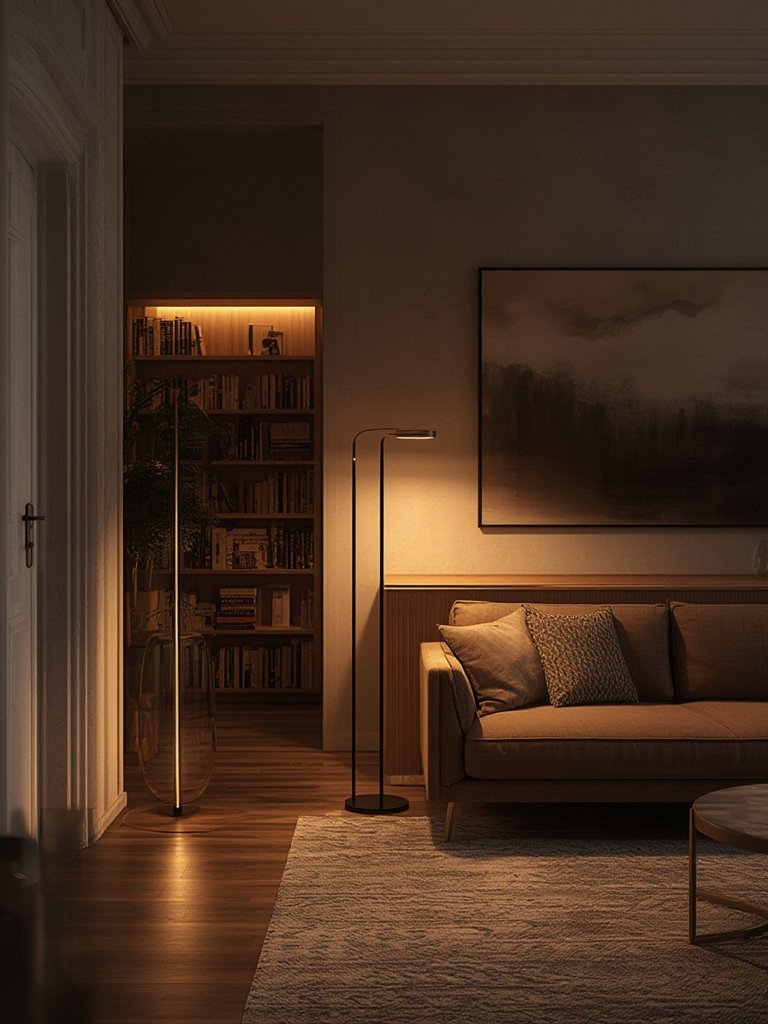
Contemporary floor lamps are more than décor—they’re a technology choice that impacts energy bills, ambiance, and day-to-day living. Check specifications, prioritize stability and repairability, and be aware of common pitfalls. With smart choices, you’ll get years of great light and design impact from your contemporary floor lamps.
Ready to upgrade? Start by comparing specs and durability. For more smart lighting options, explore our guides to energy-saving bulbs and smart light switches for full-room control.
Frequently Asked Questions
How many lumens should a floor lamp have for reading?
For comfortable reading, aim for 400 to 800 lumens focused at seat level. If the lamp is the main source of light for the space, higher output or an additional lamp may be needed.
Are all contemporary floor lamps LED?
Most new contemporary lamps use integrated LEDs, but some designs accept replaceable LED bulbs. Always check the lamp’s spec sheet before buying if you want easy bulb replacement.
Can arc floor lamps tip over easily?
Yes, especially cheaper models or those with slim/lightweight bases. For busy homes or spaces with kids or pets, look for arc lamps with heavy (marble/concrete) bases and wide stances, or add base weights.
Do minimalist floor lamps provide enough light for working?
Sometimes no. Many minimalist designs are style-focused and not bright enough for reading or work. Always check the lumens and beam angle if the lamp needs to perform a task.
What certifications are important for floor lamp safety?
Look for UL or ETL marks (US/Canada), CE (Europe), or other regional safety marks. Especially important: proper grounding and heat management on metal lamps.