

star projector market trends are changing quickly as more people turn bedrooms and living spaces into immersive, calming sanctuaries. Whether for relaxation, sleep enhancement, or sparking a child’s imagination, demand for galaxy projectors, aurora devices, and advanced night sky lights is thriving across global markets—and as options evolve, so do buyer expectations and potential pitfalls.
Key Takeaways
- The star projector market is seeing robust growth, fueled by innovation and interest in at-home wellness solutions.
- Key purchase drivers include projection clarity, ease of use, and atmosphere creation—but buyers should watch for issues like unit durability and realistic star accuracy.
- Medium-priced models hold the largest share, while premium features such as smart connectivity and multi-mode projections drive higher price points.
- Market Overview and Why Star Projectors Matter
- How to Choose and Use a Star Projector: A Detailed Guide
- Deeper Dive: Pitfalls, User Issues, and True Features
- Conclusion: Making Sense of Star Projector Market Trends 2024
- Frequently Asked Questions
Market Overview and Why Star Projectors Matter
The star projector market trends are a response to a surge in interest in astronomy, relaxation, and the demand for aesthetic night lighting. Industry reports show market size estimates ranging from $289.4 million to over $1.5 billion when including broader segments like galaxy and smart ceiling star projectors. Growth rates as high as 18% CAGR are recorded in some categories, particularly in Asia Pacific and home wellness segments. (Source, Source).
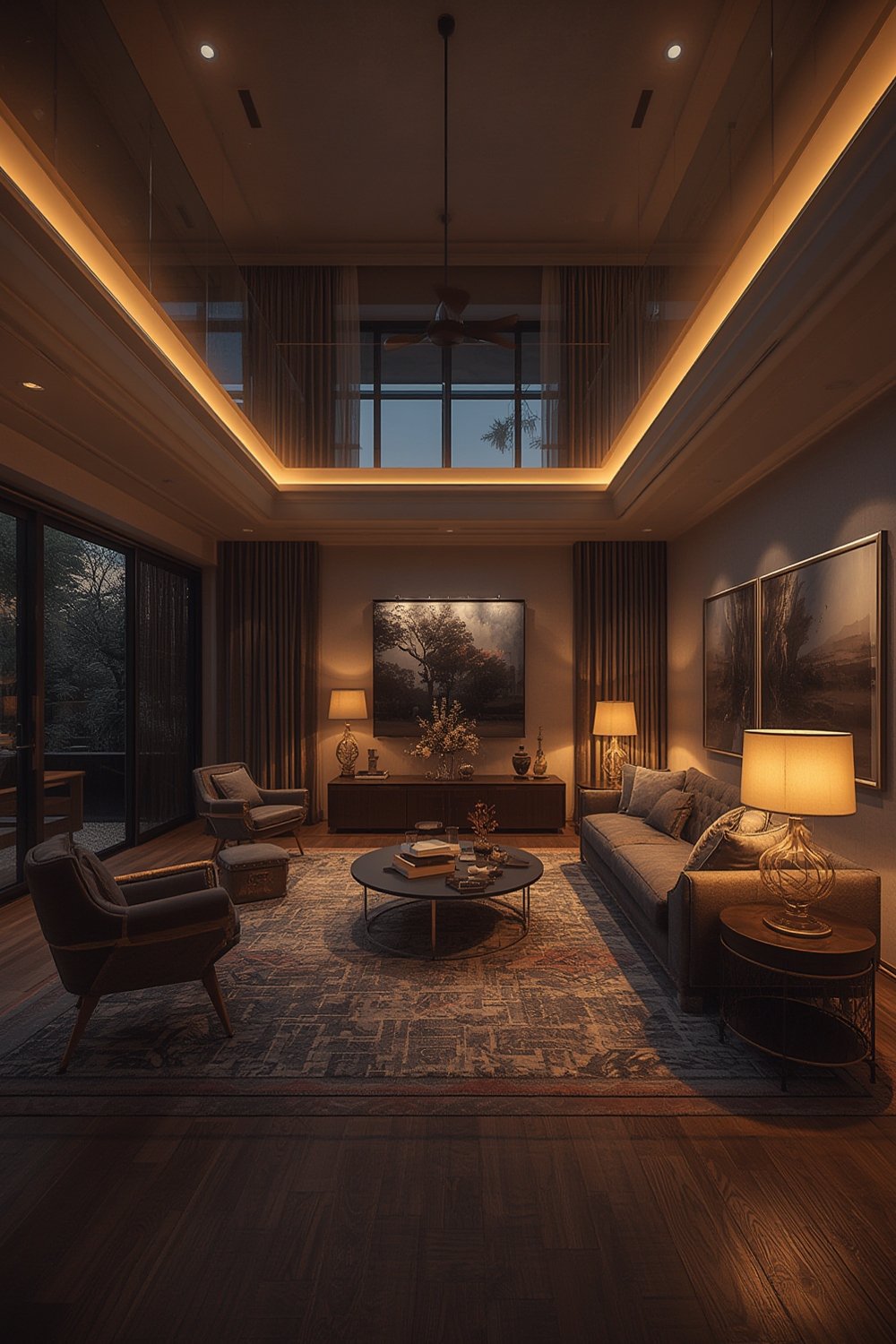
The largest user base includes parents seeking calming or educational lighting for their children, adults interested in sleep improvement, and those upgrading home decor for ambiance or parties. A notable trend is interest in projectors that create multilayered, dynamic, or aurora-like effects for mood enhancement. Meanwhile, the appetite for smart features and app control is higher than ever, paralleling demand in related smart lighting areas like smart LED strip lights and color-tunable room lights.
How to Choose and Use a Star Projector: A Detailed Guide
Choosing the right star projector means matching your needs—whether that’s bedtime calming for children, creating captivating room ambiance, or mood-support for wellness routines. Here’s how to select and use a device that lives up to the promise and sidesteps common disappointments.
- Define your goal. Do you want a projector for children’s sleep routines, adult relaxation, parties, or a flexible home lighting solution? Consider proven alternatives like smart LED strip lights or sunset lamps if pure aesthetics are your focus.
- Assess projection quality. Look for high lumen output, crisp focus, and quiet operation. LED and laser models often offer better sharpness and longevity, but noisier motors or spotty accuracy plague some budget units.
- Evaluate control options. Remote controls and app connectivity can transform usability, making it easier to adjust modes, timers, and effects from bed or couch. Compatibility with voice assistant smart lighting is now common in higher-end models.
- Check size and room coverage. A device rated for 200+ sq. ft. will cover most bedrooms or living rooms. Smaller units can disappoint in open-concept spaces or for immersive effects.
- Scrutinize safety and certifications. For children’s rooms, opt for models flagged as safe, cool to the touch, and compliant with basic certifications if stated. Currently, the market lacks clear, universal standards for projector night lights for kids, so look for tested brand reputations and avoid unlabeled imports.
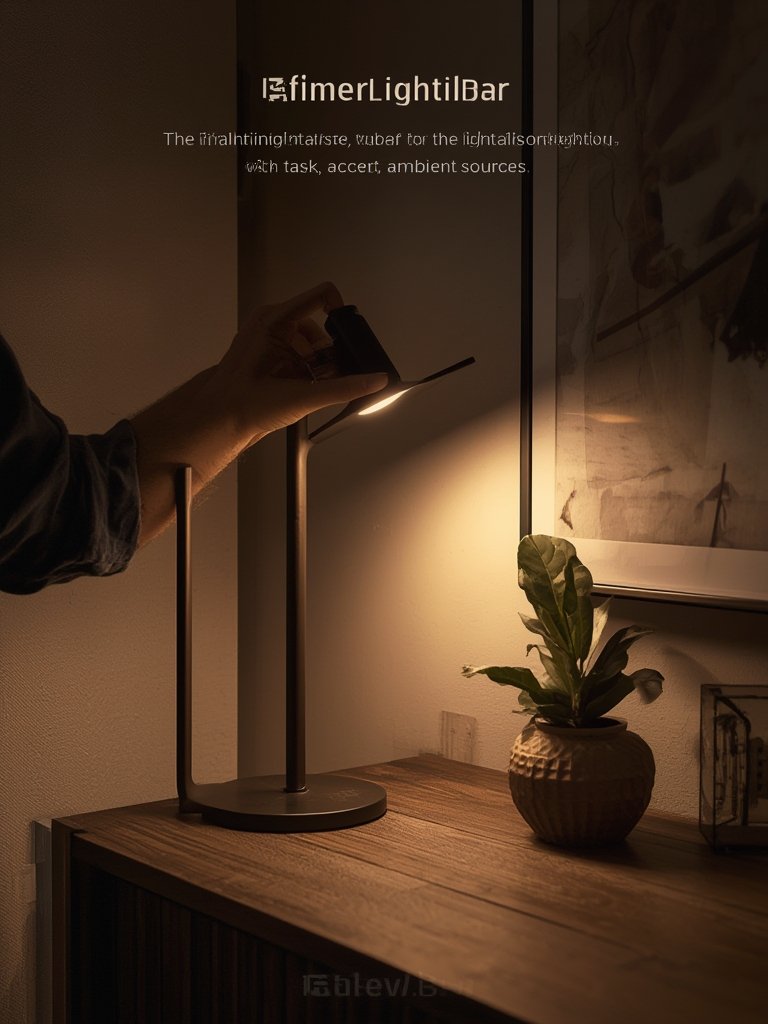
If you want to amplify the effect, try pairing your star projector with indirect accent lighting such as an LED branch light or rechargeable cabinet lights for a layered, immersive glow.
Deeper Dive: Pitfalls, User Issues, and True Features
Despite growing enthusiasm, real-world reviews reveal friction points. Many units fail to deliver on brightness, projection realism, or long-term durability. Here’s an honest look at what can go wrong and how you can avoid common traps.
- Brightness shortfalls. Users complain some models barely register in larger rooms, especially under ambient light. Unfortunately, lumen output is rarely advertised numerically, so hands-on tests or reliable reviews are crucial.
- Projection accuracy and “spotty” starfields. Inexpensive domes may project blurred, unrealistic stars. Laser or premium LED mechanisms are markedly crisper, especially if you seek realistic constellations or nebula effects. For pure aesthetics without projection—like creating a moody vibe—consider ambient TV bias lighting or neon LED strips.
- Ease of use and reliability. Complicated controls, clunky remotes, or app failures top user grievances. Prioritize units with simple physical buttons, intuitive apps, or basic remote support if tech is not your passion.
- Durability and lifespan. Budget projectors often have noise issues or fail after six months. Premium models cost more but tend to be quieter, last longer, and come with some warranty.
| Feature/Issue | Budget Models | Premium/Smart Models |
|---|---|---|
| Brightness | Dim, can be washed out | Bright, vivid even in ambient light |
| Projection Quality | Blurry stars, uneven coverage | Sharp edges, true starfield or aurora |
| Noise | Motor or fan sounds | Near-silent or silent |
| Controls | Manual switch/remote only | App, smart home, voice-enabled |
| Durability | Prone to failure, limited support | Better longevity, some warranty |
| Certified for Kids | Rare, often unclear | Some evidence of safety focus, but standards vary |
Globally, most units fall in the medium price bracket. Higher prices often yield better smart features, multi-mode projections, and stronger construction (source). Aurora and galaxy effects are most convincing with laser or advanced RGBWW LED technology—similar to those in leading RGBWW smart light strips.
Conclusion: Making Sense of Star Projector Market Trends
The star projector market trends 2024 reflect rising demand for wellness, personalization, and immersive in-home experiences. Smart connectivity, projection realism, and build quality now separate the best products from forgettable ones. Spend wisely—rely on reviews, understand your needs, and don’t get caught up only in flashy features. Now is the time to experiment with projection and lighting in your home, but keep a realistic eye on the strengths and limits of each device. Ready to discover the most inspiring projector for your bedroom or living room? Explore top-rated options and share your setup with us.
Frequently Asked Questions
How much should I expect to pay for a high-quality star projector in 2024?
Most high-quality star projectors fall into a medium price range, offering a balance of vivid projections and good features. Expect premium models with app control and multi-mode projection to cost more. The exact average varies, but avoid rock-bottom prices as these often signal poor reliability or dim output.
Are star projectors safe for overnight use in kids’ bedrooms?
Look for projectors that run cool, use LED or low-power lasers, and have clear safety labeling. While many products are marketed for kids, there is no universal certification standard, so rely on established brands and thorough user reviews for peace of mind.
What’s the key difference between galaxy projectors and traditional night lights?
Galaxy projectors use advanced optics and more powerful LEDs or lasers to create moving, layered sky effects and constellations. Night lights usually only provide ambient glow or basic patterns intended for sleep support rather than an immersive visual experience.
Can I combine a star projector with other room lighting effects?
Absolutely. Many use their projectors alongside TV bias lights, neon strips, or classic LED flameless candles for a personalized, layered atmosphere.
What are some unique uses for star projectors beyond bedrooms?
Popular creative uses include home theater enhancement, party decoration, meditation spaces, and even classroom stargazing activities. Experimenting with placement and lens angles can unlock new effects in unexpected zones of your home.