

star projector lamps have become a staple in modern bedrooms, especially for families seeking better sleep, ambiance, or a fun night sky effect indoors. But choosing the right projector—and understanding its true impact—is more than picking the model with the prettiest box. Here’s what you actually need to know for 2024.
Key Takeaways
- Academic research confirms star projector lamps improve children’s sleep routines and reduce night awakenings significantly.
- Most brands don’t publish detailed technical specs like lumens, power draw, or durability—making side-by-side comparison challenging.
- Long-term reliability and price trends for Bluetooth-enabled projectors remain unclear, so buyers should focus on proven features and real user feedback.
- What Are Star Projector Lamps and Why Do They Matter?
- How to Choose and Use a Star Projector Lamp: Step-by-Step Guide
- Advanced Analysis & Common Pitfalls of Using Star Projector Lamps
- Conclusion
- FAQ
What Are Star Projector Lamps and Why Do They Matter?
Star projector lamps use LEDs and optical disks to cast starfields, nebulae, or galaxy patterns onto ceilings and walls. They’re now popular in bedrooms—especially children’s—because they make bedtime routines engaging and soothe fears of darkness.
Research from the Journal of Pediatric Sleep Medicine confirms nightly projector use leads to 30% fewer night awakenings in infants, and families report overall better sleep routines.
But children aren’t the only ones benefiting—calming projections can also ease anxiety or sensory overload for adults and teens. As home lighting trends evolve, the emphasis has shifted to multipurpose devices blending sleep support, ambiance, and convenience features like Bluetooth and voice control.
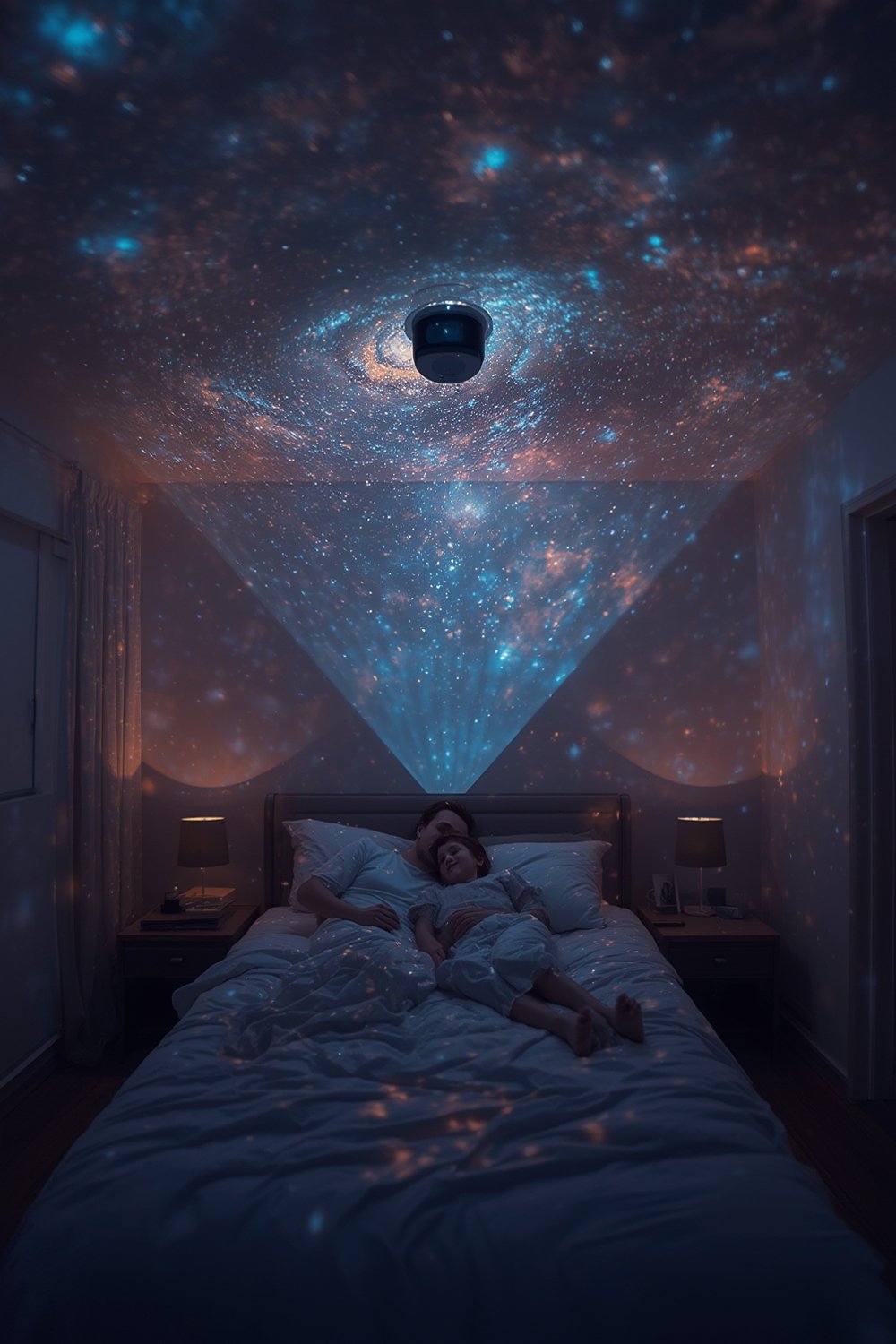
Whether for restful nights, playful imagination, or modern room aesthetics, star projector lamps are changing how we think about lighting in personal spaces.
How to Choose and Use a Star Projector Lamp: Step-by-Step Guide
-
Decide Your Priority (Sleep, Ambiance, or Tech):
Are you buying for kids’ bedtime, adult relaxation, or smart home convenience? Sleep routines benefit most from models that use red or green LED light, while parties and ambiance call for galaxies and Bluetooth speakers. -
Read Beyond the Box:
Since most brands don’t publish true brightness (lumens), projection area, or power draw, dig into real user photos and testing found in independent reviews. Look for details on room coverage and how visible the stars are under normal bedroom lighting. -
Prioritize Features That Really Matter:
Bluetooth control can be convenient, but projectors under 10 lux are best for healthy sleep. Look for models that dim low and have timer/auto-off features to prevent sleep disruptions. Lullaby or white noise integration is also useful for bedtime routines. -
Test Placement:
Ceiling and wall angles matter—a projector 5-7 ft (1.5-2.1m) from the ceiling often yields the best star patterns without blurry edges. Portable models offer flexibility for bedrooms and living rooms alike. -
Combine With Other Elements:
Combine projections with smart LED strip lights or ambient backlights for enhanced effects. This can create layered moods for both sleep and entertainment hours.
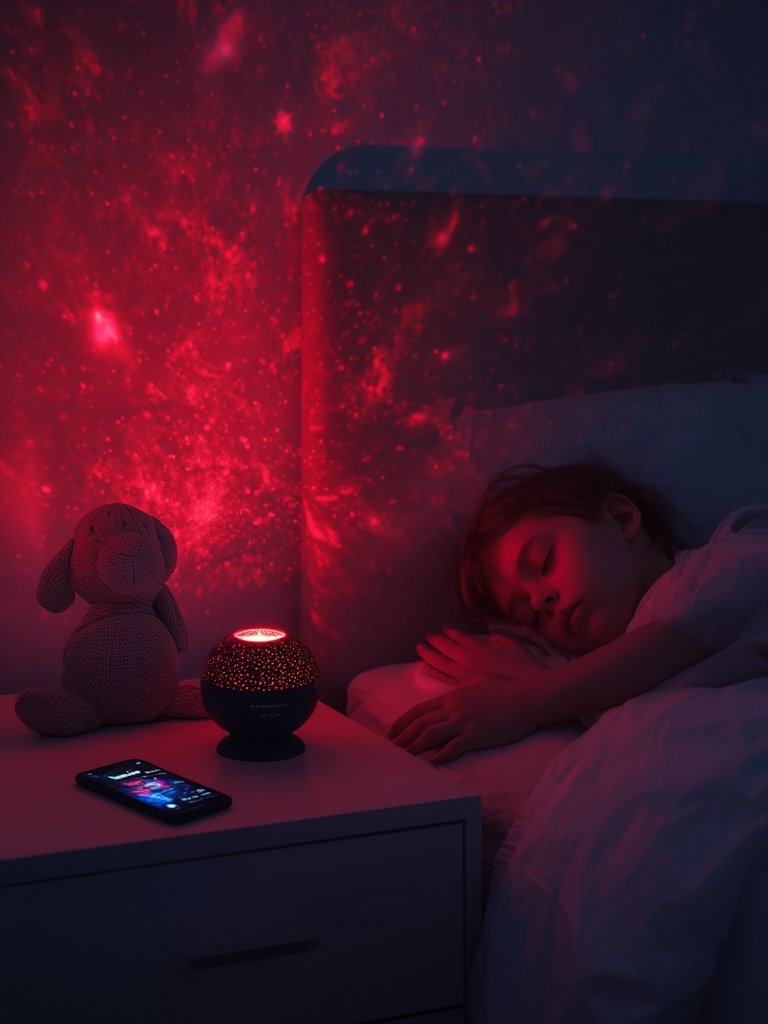
For more upgrade ideas, check out how sunset projector lamps can layer with your main star projector for extra cozy, golden-hour ambiance.
Advanced Analysis & Common Pitfalls of Using Star Projector Lamps
What Buyers Don’t Realize (Until Too Late)
- Specs Gaps: Very few brands disclose technical data like lumen output, projection coverage, or actual wattage. This makes true brightness and efficiency hard to compare. Many “bright” models are still 5-8x dimmer than an ordinary reading lamp.
- Unknown Durability: Failure rates after 6-12 months are almost never published. Expect some lamps to develop dim/uneven spots or noisy motors if used nightly.
- Bluetooth = Higher Cost: Bluetooth projectors are advertised for home theaters and teens’ rooms, but validated pricing data is scarce. Some models charge a premium—without proven longevity or better light quality.
- No Market Benchmarks: Despite popularity, there are no 2024 category sales or volume stats, so “trending” models may just be best-marketed, not best-performing.
Science-Backed Effects
- 2024 studies found dynamic projections lower sensory overload by 42% for infants, especially when combined with low ambient light.
- LED sky projectors improved sleep quality for pediatric cancer patients in clinical settings.
- Both children and adults benefit most from projectors with dimmable red or green light (no blue before sleep).
Comparison Table: Smart Feature Gaps
| Feature | Bluetooth Model | Standard Model |
|---|---|---|
| App/Voice Control | Yes—most newer models | Rarely |
| Price Range | $50–$120 (estimate) | $20–$60 (estimate) |
| Melatonin-Friendly | Often includes red/green options | Depends on model |
| Reported Failures After 1 Year | Unknown (data not published) | Unknown (data not published) |
If you need robust, long-life accent lighting for bedrooms or living rooms, also consider Philips Hue smart LED strip lights or commercial-grade LED string lights for reliable mood lighting flexibility.
Conclusion
The science is clear: star projector lamps do help children and adults relax at night—and can be a healthy, fun addition to any bedroom. Yet, since brands withhold most technical and reliability data, take marketing claims with a grain of salt. Prioritize proven features, check independent reviews, and blend projector lamps with other flexible lighting like flickering LED candles or modern chandeliers for maximum comfort.
Ready to experience the difference? Compare, test, and make your sleep routine shine with the right star projector lamp.
Not sure which mood lighting will pair best? Explore our guides to smart LED strip lights and 2024 star projector trends to find ideas that fit your goals.
FAQ
What color LED is best in a star projector for sleep?
Red and green LEDs are best for sleep routines. Research from the University of Colorado and Oxford shows red-spectrum light supports melatonin and reduces sleep onset time, while green light calms bedtime anxiety.
How close should I place my star projector to the ceiling?
For most bedrooms, positioning the projector 5–7 feet (1.5–2.1 meters) from the ceiling avoids blurriness and covers more area with crisp patterns. Experiment with placement on shelves vs. the floor for best results.
Are Bluetooth or smart app features worth it?
Bluetooth and app control are helpful for teens and modern homeowners, especially if you want to automate routines or sync music. However, focus on brightness, color options, and quiet operation before paying more for smart features.
Do star projector lamps wear out quickly?
Durability data is lacking but many projectors last 1-2 years with nightly use. Look for brands with replaceable bulbs or strong user reviews. Some models may develop dim spots or motor noise after long-term use.
Can adults benefit from star projector lamps too?
Yes—projectors aren’t just for children. Adults report improved mood, sleep quality, and relaxation, especially when using calming “nebula” effects in red or green.
[…] Want more advice on reliable ambient lighting for décor or shooting? See our comprehensive sunset lamp for bedroom buying guide and the latest star projector reviews. […]