

Solar motion sensor flood light systems are rapidly changing outdoor security for homes and businesses. If you want powerful lighting, DIY installation, and long-term energy savings, solar motion flood lights now lead the market. This guide explains how they work, the newest features, and what buyers need to know for reliable results.
Key Takeaways
- Solar motion sensor flood lights are projected to grow 7.1% annually, offering security and energy savings for outdoor spaces.
- Key specs like PIR range, battery efficiency, and smart features directly affect real-world performance and reliability.
- Solar LED floodlights are easier to install and maintain compared to wired models, with long-term savings and zero utility bills.
- What Is a Solar Motion Sensor Flood Light and Why Use One?
- Step-by-Step: How to Choose and Install a Solar Motion Sensor Flood Light
- Advanced Analysis: Real-World Problems and Common Mistakes
- Conclusion
- FAQ
What Is a Solar Motion Sensor Flood Light and Why Use One?
Solar motion sensor flood lights are outdoor LED lighting devices powered by the sun, equipped with built-in motion sensors. These lights only turn on when movement is detected, making them highly energy-efficient and ideal for deterring unwanted visitors or brightening dark driveways and garden areas. Instead of wiring, they use integrated solar panels and rechargeable batteries, allowing for flexible placement and simple mounting on almost any surface.
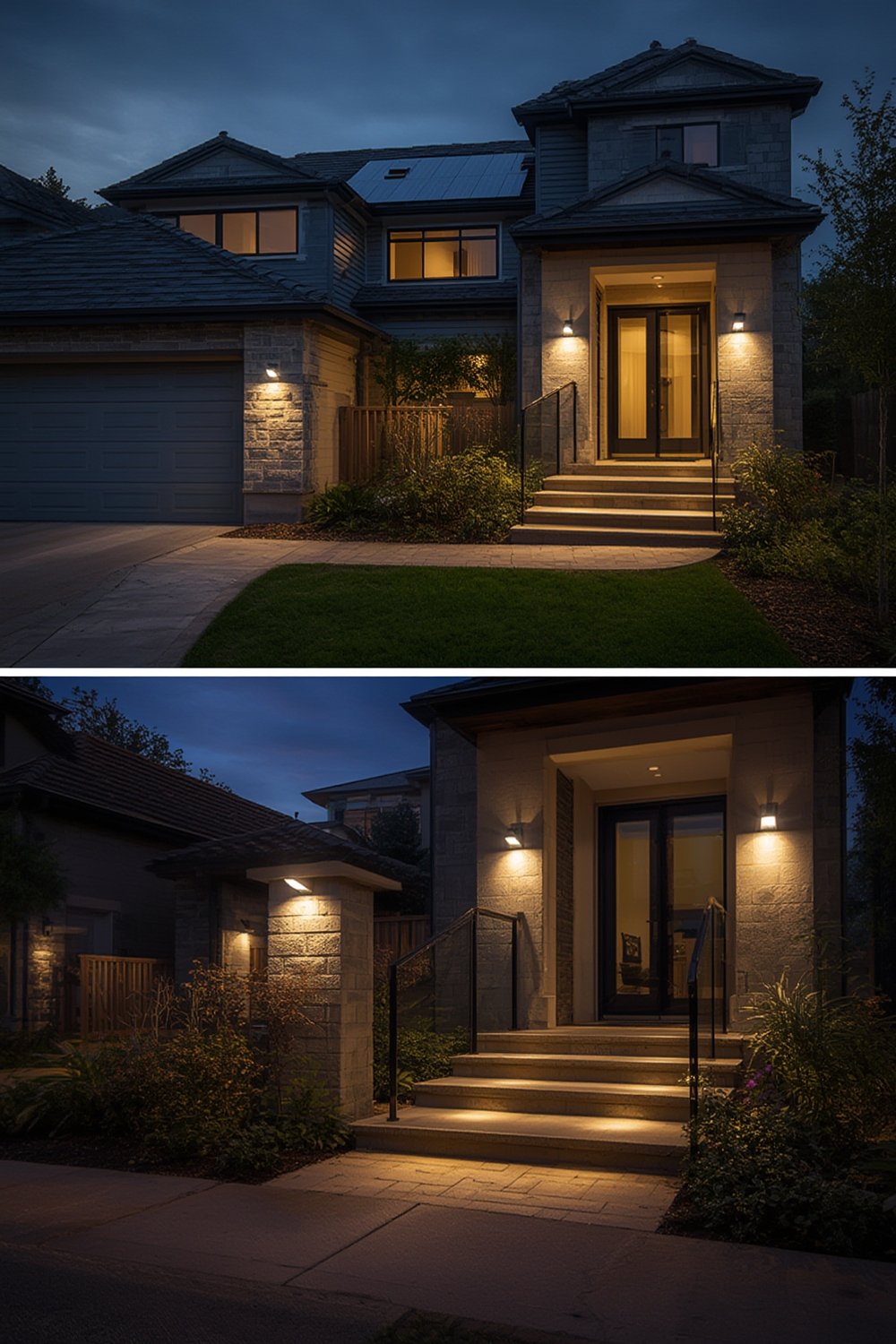
The market for solar motion sensor flood lights is expanding quickly, with sales projected to increase to USD 8.6 billion by 2025 (source). This growth is driven by falling solar/panel costs and a demand for reliable, off-grid security lighting. Modern solar flood lights are now equipped with weatherproofing, multi-mode operation, and app-controlled features that outperform many traditional wired models for both homes and businesses.
If you are exploring other energy-efficient lighting options for outdoor environments, consider reading the analysis of NYMPHY premium solar lights for garden use or the comprehensive solar garden lighting guide.
Step-by-Step: How to Choose and Install a Solar Motion Sensor Flood Light
-
Identify Security and Lighting Needs
Start by mapping your property’s dark zones or entry points that need surveillance. For driveways or backyards, estimate the area to be covered for optimal placement and determine if one or more fixtures are needed. -
Evaluate Technical Specs
- Motion sensor range and angle: Prioritize models with PIR sensors that detect movement up to 30 feet and offer wide angles for better coverage (source).
- Lumens output: Look for higher lumens if you want a bright deterrent. Models typically range from 600 to 2000+ lumens. If you need softer accent lighting, lower output is sufficient.
- Battery life and solar panel: Choose lights with larger batteries (2000-3000mAh or more) and efficient solar panels for cloudy climates—this ensures consistent dusk to dawn operation.
- Weatherproofing: Go for IP65 (or higher) ratings to withstand rain and dust.
- Smart features: app control and motion-logging are valuable for monitoring and automating schedules, especially for commercial or large properties.
-
Select Mounting Location for Best Sunlight
Install in a clear area with at least 6 hours of direct sunlight per day, facing south (in the northern hemisphere). Keep panels free from shade and debris for consistent charging. -
DIY Installation
Use the supplied hardware to mount the light to a wall, fence, or pole—no electrical permits required. Most models include screws and anchors for secure outdoor placement. -
Configure Motion and Light Settings
Test the light after installation. Adjust sensitivity to minimize false triggers, set brightness levels, and program schedules via the unit or compatible app. -
Regularly Maintain for Peak Performance
Clean the solar panel surface monthly and check for loose wiring. Inspect after major storms for water ingress or damage.

If you’re looking for a reliable recommendation, see the full review of Aootek solar motion sensor lights on our site—these models balance detection range, brightness, and battery longevity exceptionally well.
For decorative lighting in patios or garden safety paths, also read about solar bistro and patio light solutions that complement functional security lighting.
Advanced Analysis: Real-World Problems and Common Mistakes
While solar motion sensor flood lights have many advantages, real-world performance can vary. Buyers often overlook crucial factors that cause problems long after installation. Here are the most common pitfalls to watch for.
| Pitfall | Cause | How to Avoid |
|---|---|---|
| Dim light or short runtime | Undersized battery, poor solar panel, or too much shade | Choose units with high-capacity batteries, efficient solar panels, and mount in full sun |
| Frequent false motion triggers | Sensors aimed at streets, bushes, or pets | Angle sensors downward and away from moving cars or vegetation |
| No lighting during cloudy days or winter | Battery not fully recharged due to weather | Select models with larger batteries, external panels, or plug-in backup options |
| Mounting hardware failure | Cheap or inappropriate fasteners for wall type | Use anchors suited to brick, siding, or concrete and weatherproof sealant |
| No app or smart feature compatibility | Outdated models lacking connectivity | Check for Wi-Fi or Bluetooth and supported apps before purchase |
Unlike hardwired floodlights, top-rated solar models avoid utility outages, but it’s crucial to select one with the correct specs for your security goals (source). There is little hard user-review data on installation problems, but indirect reports suggest solar lights can underperform in unreliable grid areas if not placed well (source).

If you want mood or accent lighting indoors using reliable battery-powered options, compare with the review of battery operated LED branch lights or explore the trend of LED lights for bedroom aesthetics.
Conclusion
Solar motion sensor flood light technology is now a top choice for affordable, reliable, and flexible outdoor security lighting. By understanding technical specs, best installation practices, and common pitfalls, you can select a model that truly delivers on brightness and performance—while saving money for years to come. Upgrade your property’s safety today with a carefully selected solar motion sensor flood light for a smarter, greener solution. Want more guides? Browse our latest security and solar lighting features to learn more.
FAQ
How bright should a solar motion sensor flood light be?
Look for models with minimum 700–1000 lumens for security purposes. Lower lumens work well for accent lighting, but higher outputs provide effective deterrence and better visibility at night.
Do solar flood lights work in winter or cloudy weather?
Yes, but performance depends on solar panel quality, battery capacity, and how much sunlight the panel receives. Models with larger batteries and efficient panels work better in less-than-ideal conditions.
Are solar motion flood lights difficult to install?
No, most are designed for DIY mounting using simple brackets or screws. No wiring means you don’t need an electrician, but make sure to mount in a spot with good sunlight and solid wall support.
How do solar LED floodlights compare to wired security lights on cost?
Solar models cost about the same or slightly more upfront than basic wired lights, but there are no ongoing electricity costs, electrical permits, or professional installation fees. Over time, this means significant savings, especially for multiple fixtures.
Can solar motion sensor flood lights be used for commercial properties?
Yes, many commercial locations use solar floodlights for parking lots, perimeter fencing, or warehouse security. Look for models with higher luminosity, larger batteries, smart scheduling, and robust weatherproofing.