

Smart recessed LED retrofit lighting is transforming how homeowners automate and customize their indoor lighting environments, offering advanced energy efficiency, app control, and voice assistant integration for modern living. This technology is rapidly adopted by households seeking premium ambience, lower energy bills, and seamless smart home compatibility. In this article, you’ll get actionable insight and realistic advice on smart recessed LED retrofits—what to expect, where to be careful, and how to maximize their value for your next home upgrade.
Key Takeaways
- The global smart LED lighting market reached nearly USD 27.32 billion in 2024, with fast-growing demand for smart, app-controlled recessed retrofit lighting.
- LED retrofits offer up to 75% energy savings and 25x longer lifespans than conventional incandescents, with minimal long-term maintenance.
- Actual technical challenges (like app compatibility and connectivity) are rarely discussed, but careful planning is vital for seamless installation and use.
- What is Smart Recessed LED Retrofit Lighting and Why Use It?
- How to Install and Optimize Smart Recessed LED Retrofit Lights
- Advanced Analysis: Technical Challenges, Costs, and Pitfalls
- Conclusion
- Frequently Asked Questions
What is Smart Recessed LED Retrofit Lighting and Why Use It?
Smart recessed LED retrofit lighting refers to upgrading existing can or recessed light fixtures with advanced, energy-efficient LED modules that include app controls, voice assistant compatibility (like Alexa or Google Assistant), and advanced scene settings. These systems are designed for ease of integration into smart homes, enabling users to automate, dim, and color-tune their overhead lighting for every scenario.
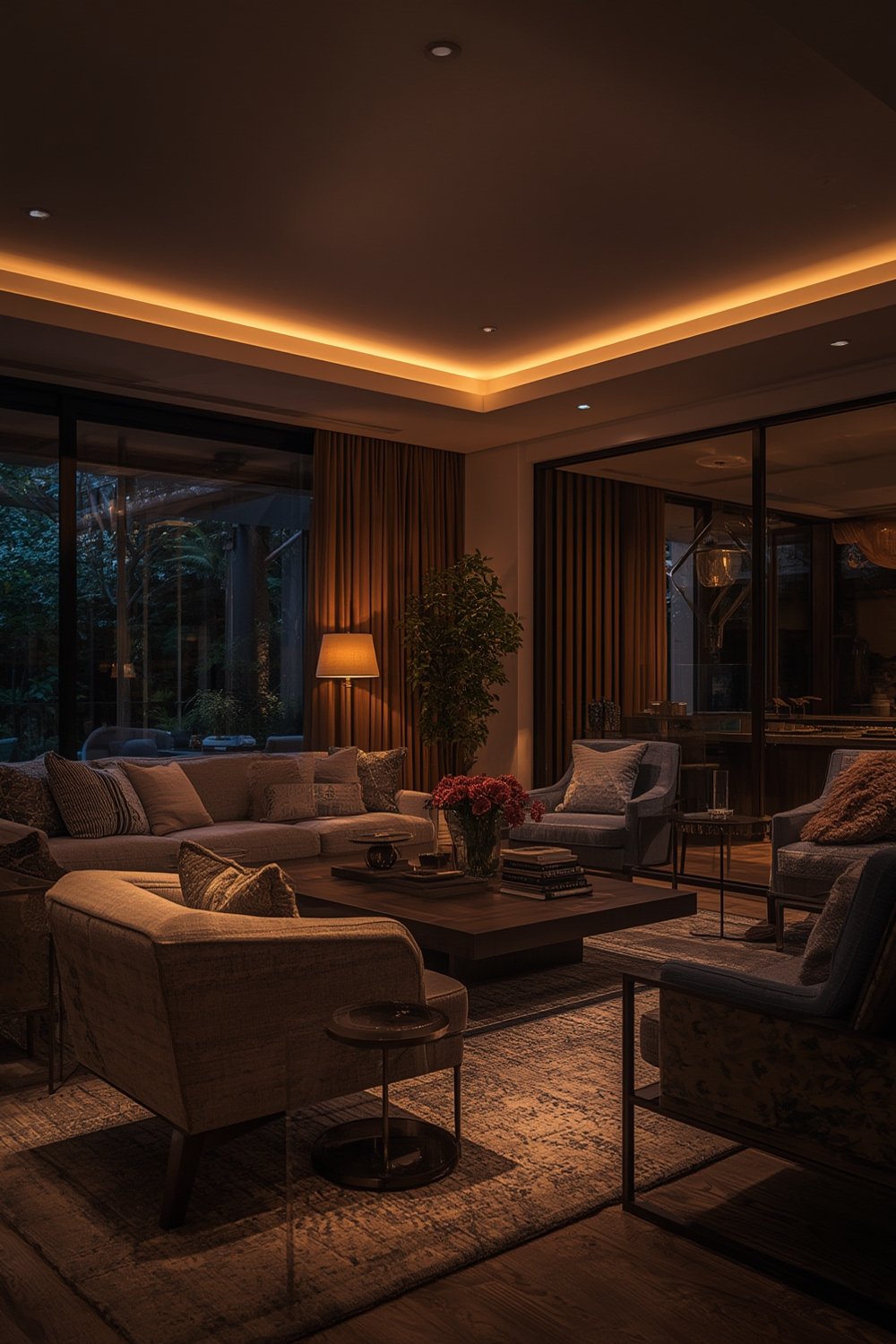
Driven by the surge in smart home adoption, these retrofit fixtures turn legacy lighting into high-tech experiences. Market research highlights a clear trajectory: the global recessed lighting market is expected to grow from USD 33.08 billion in 2025 to USD 84.96 billion by 2033—an impressive CAGR of 11.05%. Residential users are key drivers, choosing smart LED retrofits for their blend of efficiency (75% energy savings) and flexibility
(source).
The core benefits:
- App-based control for personalized settings, scenes, and schedules
- Integration with top voice assistants for hands-free changes
- Premium ambience with tunable color temperature and dimming
- Lower maintenance costs over time
If you want your recessed lights to fit seamlessly into a
standards-based smart home setup, smart LED retrofits are among the most practical upgrades available.
How to Install and Optimize Smart Recessed LED Retrofit Lights
Upgrading to smart recessed LED retrofits is more straightforward than most homeowners expect, but following a proven process ensures smooth, future-proof results. Here’s a step-by-step guide to get started:
- Inventory & Planning: Identify all the fixtures you want to convert, their sizes (usually 4, 5, or 6 inches), and access type (attic, room-side, etc). Order compatible retrofit kits that specify smart app and assistant support.
- Shut Off Power: Always switch off the circuit at the breaker. Remove the old bulbs and trim, then test with a voltage pen to ensure complete safety.
- Connect the Retrofit Module: Wire the new LED module using the provided quick connectors or adapter bases. Secure the driver, then snap in the fixture per manufacturer instructions (most use spring clips for tool-free mounting).
- Power Up and Pair: Restore power and use your phone to connect each light to its app and WiFi. Pair all fixtures, update firmware, and group them by room or zone as needed.
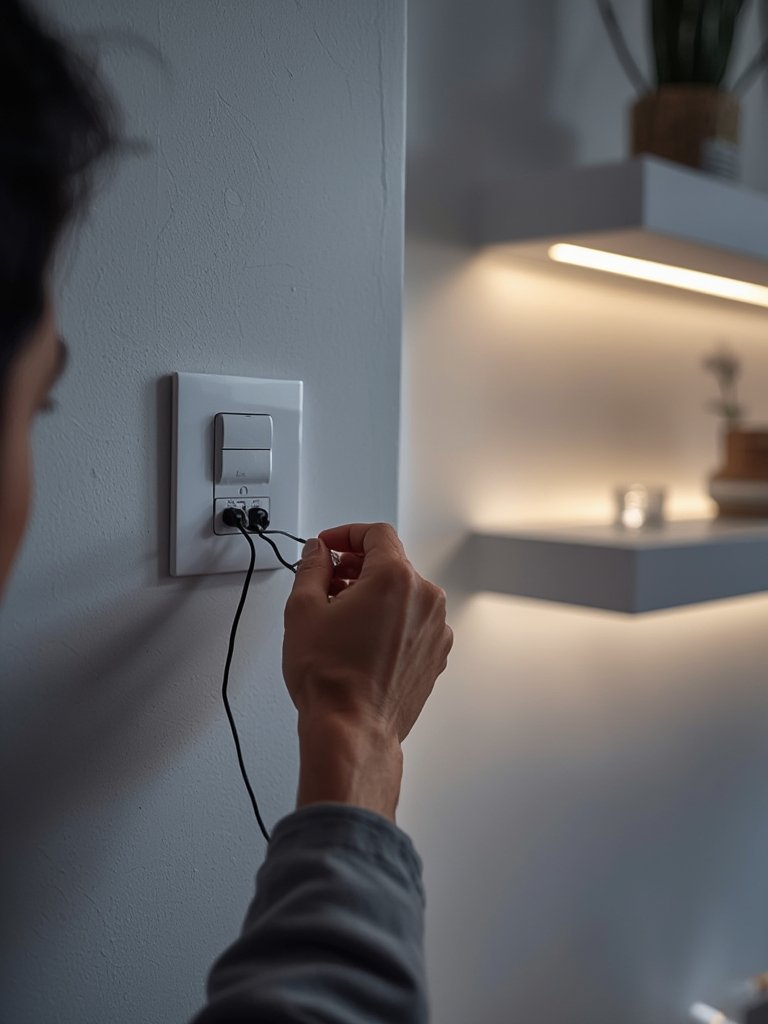
- Personalize Scenes & Schedules: Set up scenes like “Movie Night” or “Dinner,” adjust color temperature, and schedule on/off timers for effortless automation. For more robust zone control, consider combining smart LED retrofits with a
smart dimmer switch.
Looking to cover accent areas? Pair your smart recessed lighting with an
RGBWW LED smart light strip for color accents or integrate battery-powered
under cabinet lighting to finish the look.
Advanced Analysis: Technical Challenges, Costs, and Pitfalls
While smart recessed LED retrofits bring efficiency and smart features, realistic deployment reveals some practical issues to consider—not always highlighted in typical product guides.
- Connectivity and App Compatibility: Some fixtures only support limited voice assistants, or struggle with mesh networks. There are real differences between WiFi, Bluetooth, Zigbee, and Matter-based models. Always check compatibility for your home automation ecosystem.
- Color Temperature Range & Dimming: Most products offer “tunable white” (2700K to 6500K), but some cheaper models lack smooth dimming or color reliability. Advanced features like RGB or full spectrum are usually at a premium cost.
- Long-Term Support & Updates: Cloud-based control may require vendor servers. If a manufacturer discontinues support, you could lose remote or voice features.
- Installation Costs: While specific numbers are lacking for 2024, LED retrofits are proven to save up to 75% of energy costs over time with little maintenance, but upfront prices are higher than for basic, non-smart LED fixtures.
- User Data & Lifespan: Smart retrofits are expected to last 25 times longer than old bulbs, but there’s little real-world reporting on performance in extreme humidity or temperature zones (like bathrooms or attics).
| Feature | Smart Recessed LED Retrofit | Traditional Recessed Lighting |
|---|---|---|
| Energy Efficiency | 75% less than incandescent | Baseline (no smart features) |
| Voice/App Control | Yes (if compatible) | No |
| Installation Complexity | Moderate | Simple |
| Upfront Cost | Higher | Lower |
| Reliability | Expected 25x lifespan vs. incandescent, long but little real-world smart data | Shorter lifespan |
Note: Some users report frustration around keeping all smart devices synchronized, especially in mixed-brand ecosystems. Where possible, use a
Matter-compatible platform for cross-brand reliability (market research).
As smart lighting becomes mainstream, manufacturers are investing heavily—about 70% report upgrades in reliability, efficiency, and smart features
(source).
Conclusion
Smart recessed LED retrofit lighting is one of the most effective ways to modernize your home’s ambience, efficiency, and automation without tearing out ceilings or running new wires. With the market accelerating and energy savings clear, most homeowners can justify the higher initial investment for long-term comfort and lower bills. The key is realistic planning: double-check compatibility, look beyond the marketing, and focus on proven reliability. If you’re ready to upgrade, start small in one room with a popular model, then expand as you gain confidence.
Ready to see real improvements? Take action now—review your recessed fixtures and discover how smart recessed LED retrofit lighting can elevate your lifestyle.
Frequently Asked Questions
Can I upgrade any existing recessed light fixture with a smart LED retrofit?
Most standard-sized recessed can lights (4, 5, or 6 inches) can be upgraded with retrofit kits. Double-check for compatible trim and wiring. Some older or non-standard fixtures may require an adapter or may not work.
Do smart recessed LED retrofit modules work with dimmer switches?
Some smart LED retrofits support dimming only via their app or voice assistant—not via a traditional wall dimmer. Using an incompatible dimmer can cause flicker or other issues. For best results, use a smart dimmer switch designed for LED loads.
What maintenance should I expect with smart recessed LED lighting?
Maintenance is minimal compared to incandescents. Most issues relate to software (like app updates) rather than hardware failure. Regularly check for firmware updates, and occasionally test app or voice connectivity.
Are there privacy or security risks with app-controlled smart lighting?
While no significant user security concerns were reported in recent research, always use secure passwords, enable two-factor authentication if available, and keep all apps/firmware up to date. Limit third-party integrations to trusted platforms.
How does smart recessed lighting compare to other premium accent lighting?
Smart recessed lighting is excellent for whole-room scenes and general illumination, while products like Hue LED light strips or under cabinet rechargeable lights are best for accent, color effects, or targeted task lighting.
—
[…] Retrofit-friendly “smart downlights” are trending, letting homeowners upgrade old cans to modern controls in minutes—addressing pain points like harsh lighting, lack of mood tuning, and fiddly wall switches (more here). […]
[…] users are turning to premium smart LED light strips and upgradeable downlights for easy, retrofit CCT […]
[…] and anyone seeking a more adaptive home environment. For other innovative smart lighting ideas, see smart can lights and RGB gaming […]
[…] other retrofit lighting upgrades, explore smart recessed lights or pair Caseta with COB LED kitchen strips for flexible scene […]