

Smart LED bulbs and voice-controlled lights are transforming how homes and workplaces are illuminated in 2024, blending customizable lighting, hands-free control, and major gains in energy efficiency—all at an accelerating adoption rate worldwide.
Key Takeaways
- The global smart LED bulbs market is projected to double by 2029, fueled by voice assistant integration and smart city investments.
- Most top-ranking articles overlook real user complaints, hidden costs, and hands-on setup challenges with smart LED bulbs and voice-controlled lights.
- Practical energy savings are clear in theory, but verified household impact data remains limited for 2024.
- What Are Smart LED Bulbs and Voice-controlled Lights and Why Are They Growing?
- Step-by-Step Guide to Setting Up Smart LED Bulbs and Voice-controlled Lights
- Advanced Analysis and Common Pitfalls
- Conclusion
- FAQ
What Are Smart LED Bulbs and Voice-controlled Lights and Why Are They Growing?
Smart LED bulbs and voice-controlled lights are internet-connected lighting solutions allowing you to customize brightness, change colors, schedule routines, and operate your lights through voice commands (like “Alexa, turn off the lights”) or phone apps. Growth is driven by mainstream support for Google Home, Alexa, and Apple HomeKit, as well as demand for energy savings and convenience.
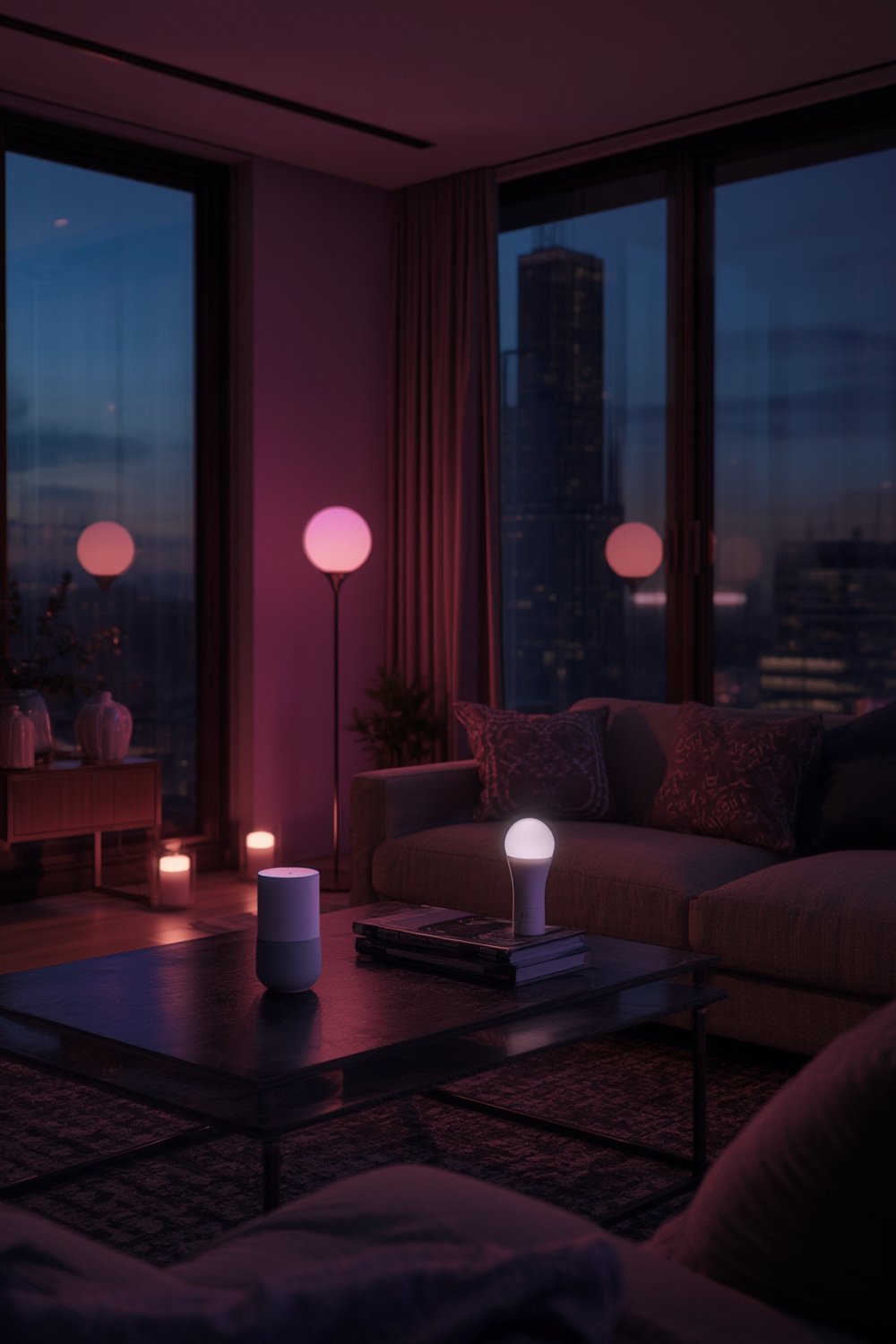
In 2024, the global smart LED bulbs market hit $17.19 billion and is gaining momentum, thanks to smart city projects, rapid urbanization, and the integration of voice assistants. By 2029, the market is set to top $39.58 billion, with North America and Asia Pacific leading adoption (source).
Unlike generic LED bulbs, smart versions let you:
- Control brightness and color from anywhere.
- Set automated routines for wake-up, bedtime, and travel.
- Use voice commands (like “Dim the kitchen lights to 50%”).
- Integrate lighting with security and entertainment systems.
This rapid adoption is fueled by:
- Integration with Alexa, Google Home, and Apple HomeKit.
- Smart city investments: Active smart cities grew from 118 in 2021 to 141 in 2023.
- Energy efficiency initiatives for businesses and homes.
Despite the surge, many brands and reviewers skip over real user pain points and setup realities—topics we focus on below.
Interested in exploring smart lighting for specific applications? Check out top-tier product reviews like the Philips Hue Indoor 10 Ft Smart RGBWW LED Solo Lightstrip or guides on Matter smart lighting setup for more options.
Step-by-Step Guide to Setting Up Smart LED Bulbs and Voice-controlled Lights
While the benefits are clear, getting started with smart LED bulbs and voice control can be confusing—especially around brand compatibility and network setup. Here’s how to do it right in 2024:
- Choose the Right Bulb and Platform: Select a bulb that matches your fixture (A19/E26, GU10, etc.) and your platform (Amazon Alexa, Google Home, Apple HomeKit, or Matter for cross-compatibility).
- Check Minimum Technical Requirements: Smart LED bulbs require Wi-Fi (2.4GHz is standard; some now support 5GHz or Thread/Matter). Bulbs must match your fixture voltage and base. Some brands require a hub—always check before you buy.
- Install and Power On Bulbs: Screw in or snap the bulb, then power on. Most bulbs enter pairing mode automatically; some require flipping the switch several times.
- Install the Manufacturer’s App: Download the brand’s app (e.g., Philips Hue, Sengled, Govee, Lifx).
- Connect to Your Home Network: Use the app to add bulbs, enter Wi-Fi credentials, and assign bulb locations. Follow prompts for Google Home/Alexa linking if supported.
- Enable Voice Integration: Add the bulb using the Google Home or Alexa app. Sync the brand account. Test voice commands (“Turn on living room lamp”).
- Customize Routines and Schedules: Set automations for wake-up, bedtime, or random vacation modes.
- Fine-tune with Advanced Settings: Adjust color temperatures for focus or relaxation, set up groups/zones, and enable energy monitoring if your model supports it.

Want more specialized installs? Learn about smart recessed LED retrofit lighting for ceiling fixtures or reliable smart strip lights for room ambiance.
If you prefer not to wire or drill, consider cordless portable LED table lamps for instant flexibility, or see how LED neon flex strips create bold, continuous lighting lines.
Advanced Analysis and Common Pitfalls
Rapid growth always brings real-world challenges. Here’s what most competitors miss regarding smart LED bulbs and voice-controlled lights based on recent research and emerging user experiences.
| Issue | What Happens | Actionable Tip |
|---|---|---|
| No Standardized Compatibility | Bulbs or switches from different brands may not work together, or require multiple apps/hubs. | Prefer bulbs supporting Matter or officially “Works with” Google/Alexa/Apple HomeKit. |
| Hidden Costs | Some brands require separate hubs or charge for advanced app features via in-app purchase or subscription. | Factor in required hubs, paid upgrades, or cloud connectivity fees before choosing a system. |
| Wi-Fi or Network Issues | Weak Wi-Fi or router compatibility problems can cause bulbs to drop offline or become unresponsive. | Keep your Weak Wi-Fi 2.4GHz; use mesh networks for larger homes; regularly update bulb firmware. |
| Privacy & Security Concerns | Voice data and on/off usage can be collected by manufacturers or platforms; device hacking risk exists. | Review privacy policies; use strong account passwords; keep device firmware up-to-date. |
| Lack of Real-World Energy Savings Data | While smart LEDs reduce energy use in theory, consumer-level bill savings data is scarce in 2024 (source). | Monitor your usage with bulbs offering built-in energy tracking, or compare your utility bill across multiple months. |
Brands often tout seamless integration, but users regularly report friction when devices lose connection or brands update cloud services without warning. Be aware: outdoor applications and legacy switch compatibility add more complexity—especially with decorative setups like outdoor string lights.
Also keep in mind: most guides gloss over the importance of color temperature and flicker—known issues for eye strain and inconsistent mood lighting. Curious about how tunable white bulbs impact your comfort? Review this adjustable color temperature lighting guide.
For developers and renters, the lack of detailed “minimum tech requirements” in many articles can mean surprises with Wi-Fi range, firmware updates, or hub availability—review spec sheets carefully. If your setup is for sleep routines or well-being, see reliable info in this circadian rhythm lighting guide.
Conclusion
Smart LED bulbs and voice-controlled lights are rapidly changing the way we illuminate our homes and workspaces, offering hands-free convenience, advanced automations, and—potentially—real energy savings. However, careful planning and product research are essential to avoid hidden fees, privacy issues, and frustrating compatibility pitfalls. For anyone planning to invest in smart LED bulbs and voice-controlled lights in 2024, the best move is to focus on open standards, review long-term costs, and monitor your real savings over time.
Ready to upgrade your lighting? Explore trusted products, installation guides, or advanced hacks to take control of your space today.
FAQ
Are smart LED bulbs really more energy efficient than standard LEDs?
Yes, smart LED bulbs use at least as little energy as standard LEDs when on, but may use a small amount of standby power for connectivity. However, advanced automation can reduce overall energy waste by powering off lights when not needed.
Do I need a hub to use smart LED bulbs with Google Home or Alexa?
Not always. Some brands need a proprietary hub (like Philips Hue), while others are “hub-free” and connect directly to Wi-Fi. Always check before buying.
What’s the average lifespan of a smart LED bulb?
Most smart LED bulbs are rated for about 15,000 to 25,000 hours—similar to or slightly above regular LED bulbs—but actual life can vary based on usage patterns and firmware updates.
Are there ongoing fees or hidden costs with these bulbs?
Some brands charge for premium features (advanced routines, integrations) within their apps or require a subscription for expanded cloud access. Also, budget for hubs or compatible switches if needed.
How private and secure are voice-controlled lights in my home?
Smart LED systems from major brands use encryption, but privacy depends on both your voice assistant and bulb manufacturer. Always use strong, unique passwords and keep software updated to minimize risks.
[…] For help making any lamp smart, review our guide to Smart LED Bulbs & Voice-Controlled Lighting. […]
[…] STAR or similar certifications. Integrate smart control if you use Alexa or Google Home (see our smart LED lighting guide for compatible […]
[…] For tips on smart home integration and voice command setup, explore our voice-controlled lighting primer. […]