

### Blog Post:
Smart landscape lighting is changing the way homeowners and property managers approach outdoor illumination by offering automated energy savings, flexible scheduling, and real-time control right from their smartphones or voice assistants.
Key Takeaways
- Global smart landscape lighting markets are growing fast, driven by energy efficiency, automation, and outdoor security needs.
- Common user pain points include connectivity issues outdoors, unclear installation instructions, and software/app frustrations.
- Choosing durable, interoperable, and well-supported systems is key to avoiding headaches and maximizing long-term value.
The Core Concept
Smart landscape lighting combines energy-efficient LED and solar-powered fixtures with intelligent controls, allowing you to automate, schedule, or dynamically control your outdoor lights by app, voice, or connected home routines. These systems take traditional outdoor lighting far beyond basic on/off timers, bringing features like motion-triggered security, dusk-to-dawn operation, and rich color effects into backyards, driveways, and garden paths. The “smart” edge is delivered by wireless connectivity (Wi-Fi, Zigbee, Thread, or Bluetooth) and tight integration with growing smart home platforms.
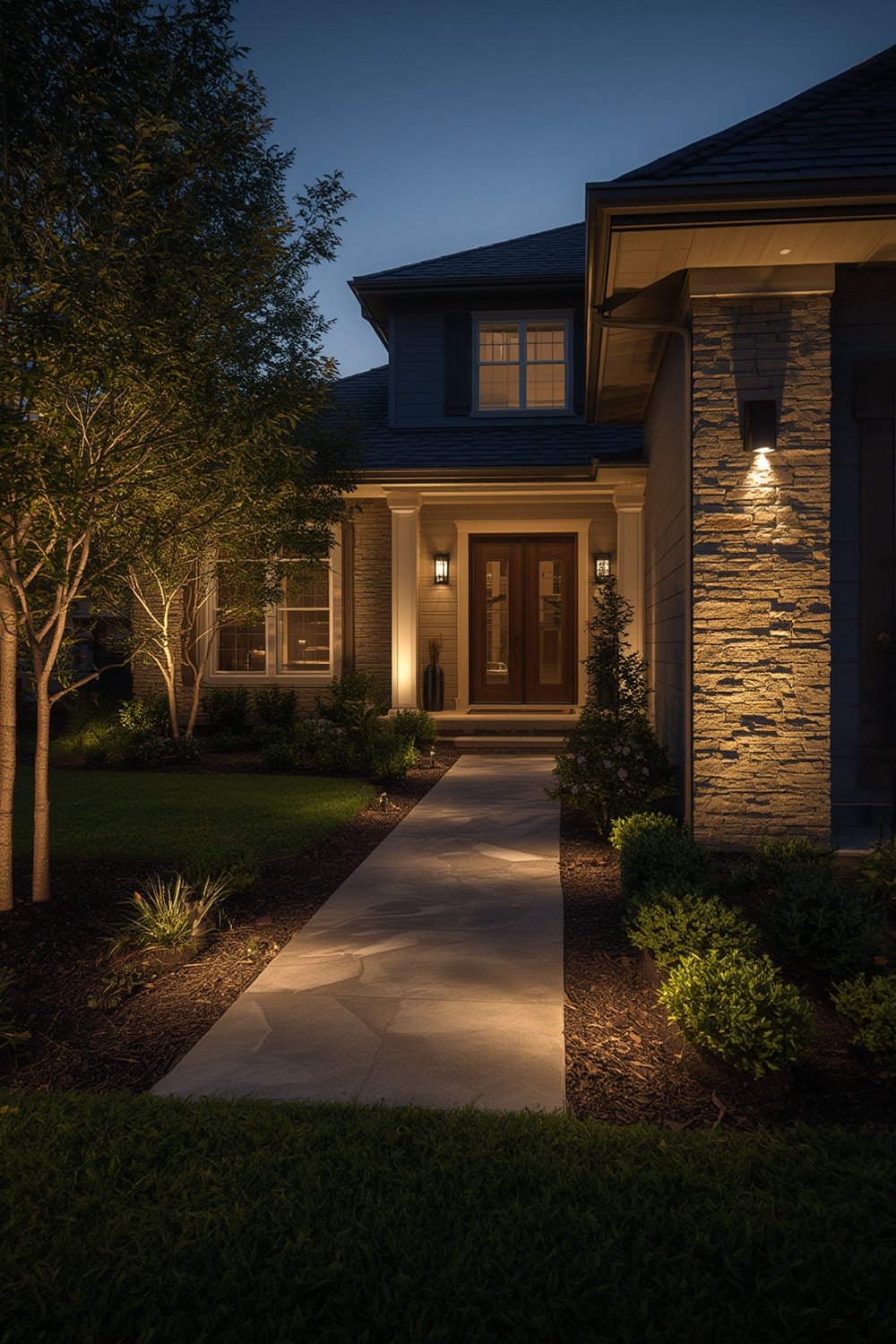
The drive toward automation and energy savings stems from both consumer demand and the rising costs of electricity, as well as regulations pushing for sustainable, long-lasting solutions. Markets for smart landscape and outdoor lighting are expected to grow at a double-digit CAGR worldwide through 2030, with particular interest in customizable features like polychromatic effects, scene management, and voice assistant support.
Embedding “smart” features into landscape lighting helps increase safety, improve aesthetics, boost property value, and reduce long-term maintenance—while giving users far more customization than older outdoor setups ever could.
For example, the latest LIFX outdoor line emphasizes dynamic color control and app-based scene routines (see source), illustrating how smart landscape lighting is evolving beyond utilitarian path or security light use.
Step-by-Step Guide
Planning, installing, and optimizing a smart landscape lighting system does not have to be complicated—but it pays to get the details right. Here’s a stepwise breakdown based on 2024 industry research and real-world outcomes:
-
Assess Your Outdoor Space and Needs
- Map out where you want lighting (paths, decks, steps, garden features).
- Consider safety/security, ambiance, and budget.
- Decide if you need color-changing effects or simple white illumination.
- Evaluate power sources at each location (wired, low-voltage transformer, solar).
-
Select the Right Hardware
- For maximum reliability, wired low-voltage LED kits (with outdoor-rated power supplies) are ideal for continuous-use pathways or accent lights.
- If you want app and voice control, select smart-ready systems or add smart outdoor plugs as a retrofit option.
- For ambiance or areas without wiring, solar or battery-powered smart lights may suffice (but watch for brightness and reliability limitations).
- Always look for IP65+ weather ratings and safety certifications (UL, CE, UKCA).
-
Plan Your Connectivity and Control Topology
- Decide if you’ll use Wi-Fi, Zigbee, Thread, or Bluetooth. Zigbee/Thread mesh networks typically provide stronger, more reliable connections outdoors.
- If using bridge/hub-based systems (like Philips Hue Outdoor), position the hub close enough to reach all fixtures.
- Ensure your home Wi-Fi network or smart home hub can extend coverage outdoors (sometimes a Wi-Fi extender is necessary).
-
Install Your Lighting Fixtures
- Follow manufacturer instructions closely. Use direct-burial rated cable for low-voltage systems. Avoid daisy-chaining more power than your transformer can handle.
- For solar models, place panels in full sun (and anticipate seasonal performance shifts).
- Check that light heads are properly sealed (gaskets in place, no cable damage) for lasting weather resistance.
-
Configure Smart Controls and Scheduling
- Set up lights in the designated app. Pair them with your preferred smart home ecosystem if possible (Alexa, Google, Apple HomeKit, etc).
- Use grouping and zones to assign routines for different parts of the yard.
- Leverage sunrise/sunset timers and scene management for set-and-forget convenience.
-
Test, Monitor, and Maintain
- Run system tests (including motion triggers and schedule reliability) at installation and after firmware/app updates.
- Monitor for water ingress in stormy weather and inspect for cable or connector degradation each season.
- Plan to clean solar panels each quarter and replace rechargeable batteries as needed.
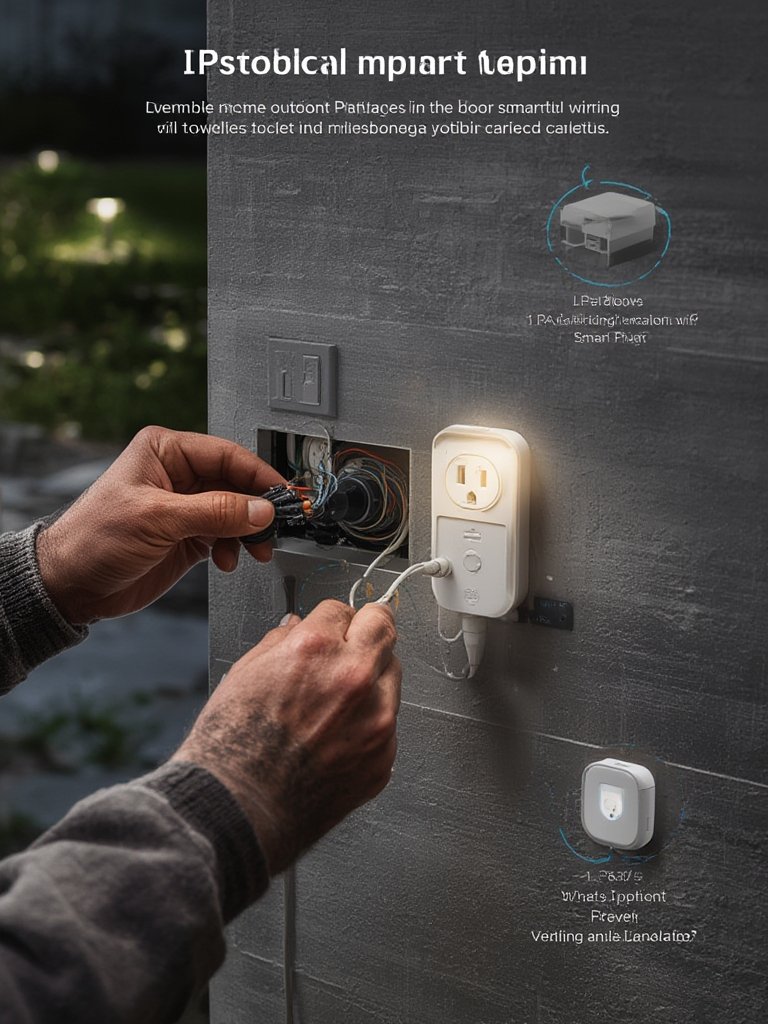
Need more outdoor lighting inspiration? Our solar garden lighting guide shows how to mix decorative options, and our LED stair lighting kits guide covers safety-focused step lighting in detail.
Advanced Analysis & Common Pitfalls
While the benefits of smart landscape lighting are substantial, market research and user reviews reveal recurring pitfalls that can erode value or cause frustration. Let’s break down these issues and analyze key technical considerations.
Connectivity and Signal Challenges
Outdoor Wi-Fi and Bluetooth connections routinely drop due to router range limits or thick walls. If a hub/bridge is too far from garden lights, automations may fail or lights randomly disconnect. Mesh systems (Zigbee, Thread) tend to provide better coverage but can still struggle in very large or complex layouts.
Installation & Configuration Issues
Many users are surprised by the real labor and troubleshooting involved in low-voltage wiring, weatherproof cable joints, and system setup—especially when instructions are generic or incomplete. Cheap kits may include nonstandard connectors or flimsy stakes that break after one winter. Incorrect transformer sizing or overloading outlets is a common error in DIY systems.
Durability and Lifespan Problems
Outdoor lighting faces constant exposure: rain, UV, debris, and extreme temps. Even premium smart fixtures sometimes suffer water ingress if not installed perfectly or if gaskets fail. Solar lights can underperform after only a year if batteries degrade or if cells are not kept clean.
App/Platform Frustrations
Poorly designed apps are a major negative theme across platforms. Firmware updates may break established schedules or require factory resetting lights or plugs. Proprietary ecosystems limit integration with multi-brand smart platforms. This can lock users in or lead to “app fatigue.”
For further insight into how these issues compare across brands and product types, see the table below:
| Feature / Issue | Low-Voltage Wired Smart (e.g., Hue Outdoor) | Wi-Fi/Bluetooth Solar Smart Lights | Smart Plug + Standard Lighting |
|---|---|---|---|
| Reliability | Very high (if hub is nearby) | Low (battery/signal limits) | High (if plug is weatherproof, Wi-Fi OK outdoors) |
| App/Ecosystem Control | Excellent, multi-platform | Often weak, limited routines | Good, though less granular (on/off only) |
| Installation Complexity | Moderate to high (wiring, trenching) | Easy (stake & sync) | Easy if using existing outlets |
| Energy Cost | Low (LED efficiency, scheduling) | Zero (solar, with caveats) | Low (if paired with LED lights) |
| Maintenance | Low-moderate (seasonal checks) | Moderate-high (battery swaps, cleaning, replace frequently) | Low (check plug, system updates) |
Neglecting regulatory and code requirements is another major pitfall. Improper installation could void insurance, violate local law, or create a shock/fire risk. For a breakdown of safety and compliance, reference section 7 of this guide and see the detailed requirements for IP, voltage, and certification marks.
For in-depth comparison of outdoor string light performance, see our commercial string lights review and our feature on RGB vintage string lights for creative ambiance ideas.

Conclusion
Smart landscape lighting offers reliable, flexible, and energy-efficient options for transforming outdoor spaces. But success depends on choosing robust, interoperable products, following best practices for installation and scheduling, and understanding the technical and regulatory landscape. Addressing connectivity, durability, and ecosystem integration from the start minimizes future frustration.
If you want advanced color and dynamic effects, consider proven systems like Philips Hue Outdoor or the LIFX outdoor line. For quick, affordable upgrades, pair existing low-voltage kits with outdoor smart plugs. Review our solar garden lighting guide for more trends and our voice-controlled lighting overview for smart home automation options.
Ready to reimagine your exterior lighting? Take advantage of smart landscape lighting now—choose reliability, plan with your environment in mind, and enjoy long-term energy savings with modern control.
FAQ
How much does smart landscape lighting cost to install?
Basic DIY systems can cost $100–250 for non-smart LED kits, while smart-ready setups range from $150–300+, and premium smart fixtures (like Hue/LIFX) can be $80–150 per light, plus $50–70 for a required hub. Professional installation may add $300–1,500+, depending on the size and complexity of your yard.
What are the most common problems with outdoor smart lighting?
Connectivity issues (especially Wi-Fi dropouts outdoors), unreliable app automations, unclear installation instructions, and weather-related failures (water ingress, UV damage) top the list. Selecting products with proven durability and broad ecosystem compatibility reduces risks.
Is solar smart lighting worth it for pathways or gardens?
Solar smart lights are attractive for quick, wire-free installs and zero energy cost but may lack brightness, especially in shady or northern climates, and often need battery replacements within a couple of years. For critical pathway or security lighting, low-voltage wired systems are usually more reliable.
Will my smart landscape lights work with Alexa/Google Home/Apple HomeKit?
Leading systems (such as Philips Hue Outdoor and some LIFX models) support major platforms. Always confirm compatibility—look for Matter, Zigbee, or Thread support for broad integration. Off-brand or proprietary solutions may not work with all ecosystems.
What codes or standards do smart landscape lighting systems need to meet?
In the US, UL or ETL listing and compliance with NEC for low-voltage outdoor use are required. In Europe and the UK, products should carry CE or UKCA marks and at least IP44 (preferably IP65) water resistance. Always check local building or HOA regulations for outdoor lighting use.
—