

Sleep friendly light bulbs are changing how we manage sleep quality and circadian health using lighting in our homes. If you’re seeking actionable science, pitfalls to avoid, and realistic tips for better rest, this guide will give you current research and practical steps on choosing and using these specialized bulbs.
Key Takeaways
- blue-depleted bulbs (amber or red spectrum) can protect melatonin production and support better sleep compared to regular LEDs.
- User experiences and verified reviews are scarce—expect some trial and error when picking the optimal product for your needs.
- Long-term circadian health, fixture compatibility, and effects on children are crucial but often neglected topics.
- What Are Sleep Friendly Light Bulbs & Why Do They Matter?
- How to Choose and Use Sleep Friendly Light Bulbs (Step-by-Step)
- Advanced Analysis & Common Pitfalls
- Conclusion
- Frequently Asked Questions
What Are Sleep Friendly Light Bulbs & Why Do They Matter?
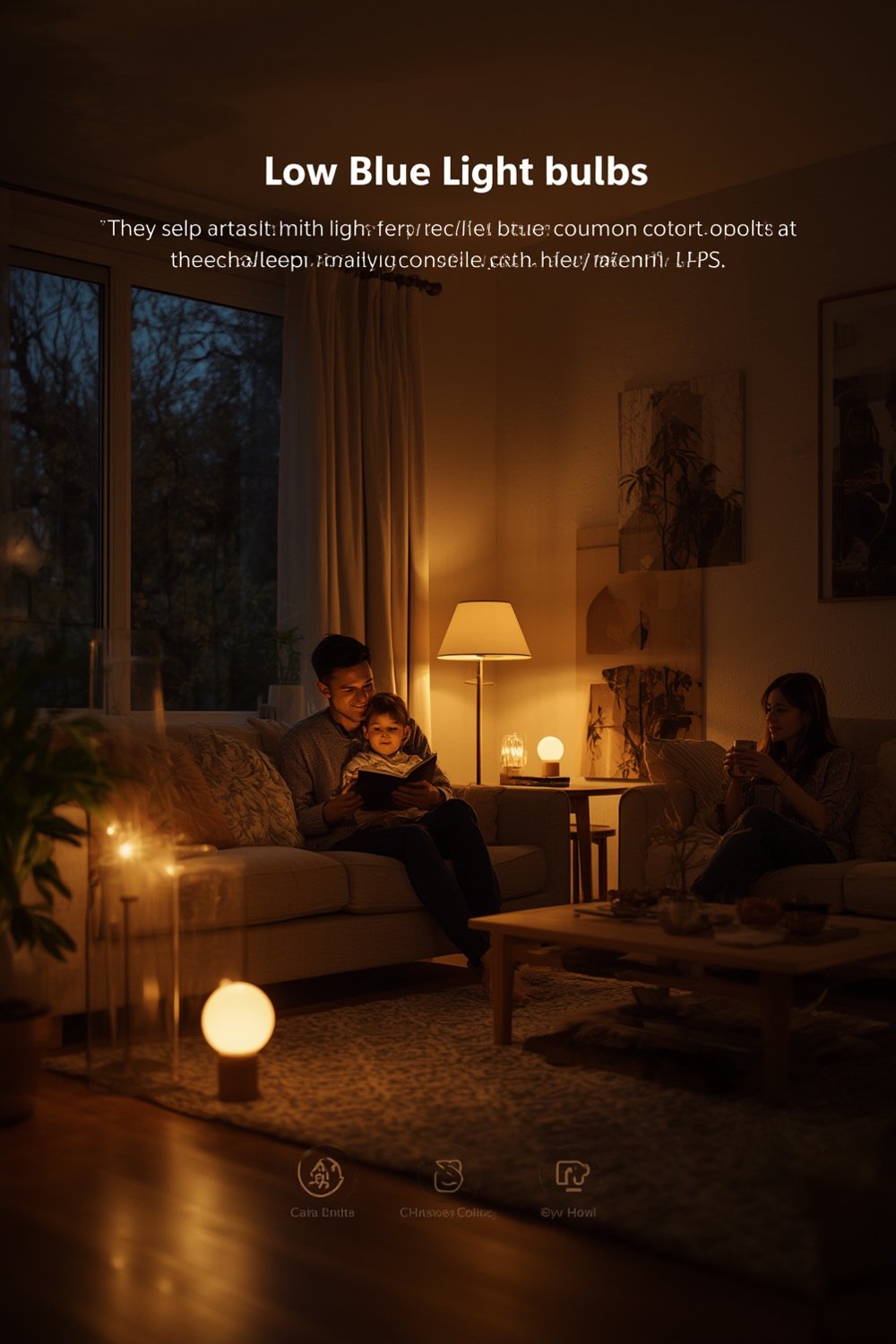
Sleep friendly light bulbs are designed to minimize blue light emissions in the 460–495 nm range. Unlike standard LEDs, which often emit strong blue wavelengths that suppress melatonin and disrupt your circadian rhythm, blue-depleted bulbs (often labeled “amber,” “red,” or “blue-blocking”) aim to support natural sleep biology.
Recent consensus among circadian experts shows that using these bulbs in the evening—especially in the three hours before bed—reduces melatonin suppression and supports healthier sleep cycles.
While there are currently no published clinical trials testing specific amber or red sleep bulbs, the science is robust that less blue equals less disruption—a simple change to lighting can improve your nightly rest. For more on circadian rhythm lighting, see our in-depth guide.
How to Choose and Use Sleep Friendly Light Bulbs (Step-by-Step)
- Identify Your Evening Zones: Focus first on spaces you use before bedtime, such as bedrooms, bathrooms, or living rooms.
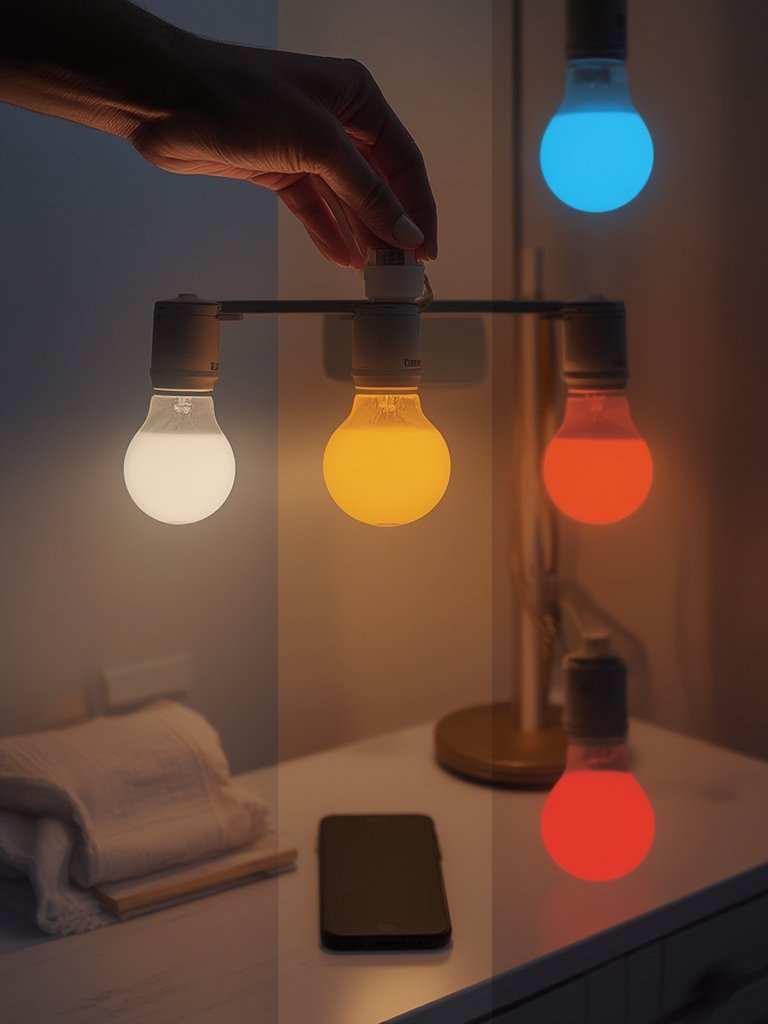
- Look for Blue-Depleted Specs: Choose bulbs advertised as blue light blocking, amber, or red spectrum. The best bulbs avoid wavelengths between 460 and 495 nm (source).
- Compare Color Temperature and Lumen Output: Aim for “warm dim” bulbs under 2700K for less blue. For bedrooms, lower lumen output (200-400 lumens per lamp) is adequate. Avoid daylight/cool white bulbs (above 3500K).
- Consider Amber or Red Lights for Nightstands: If possible, use amber or even red LEDs at the bedside, where blue suppression matters the most.
- Test Usability: Dim amber/red bulbs may not be suitable for tasks requiring color rendering (like reading detailed color illustrations). You might need a compromise in shared family spaces.
- Evaluate Smart Features if Needed: Some prefer bulbs with dimming, timers, or smart control. If smart home integration is essential, cross-check bulb compatibility with your existing system (e.g., Alexa or Google Home).
- Plan Installation: Most bulbs fit standard fixtures, but unique blue-depleted LEDs may not. Always check compatibility, especially for decorative or specialized fixtures. For inspiration, see smart strip lighting solutions.
Remember: blue light is most disruptive when your eyes are directly exposed in the evening. Angle bulbs away from direct sight lines or use shaded lamps.
For children’s rooms, be extra mindful—kids are especially sensitive to blue light at night (more here).
Advanced Analysis & Common Pitfalls
Research on artificial light at night confirms that blue-rich lighting can harm both sleep and long-term health, but real-world user data on sleep-friendly bulbs is limited. Here’s what you should know before switching:
- Limited User Data: There are almost no verified buyer reviews or public complaints about effectiveness, longevity, or smart features. Expect some experimentation.
- Brightness or Color Rendering: Blue-depleted lights, especially amber or red, may not be bright enough or might compromise color accuracy for reading and detailed tasks.
- Cost and Brand Options: There is a lack of up-to-date pricing and recommended brand data for 2024. Many bulbs are generic or lack certifications.
- Smart Integration Gaps: Few dedicated sleep-friendly bulbs offer smart home compatibility or dimming; if this matters, investigate options before buying.
- Long-term Impact: Regular use of blue-rich light at night may have negative consequences on mood and metabolism beyond sleep alone.
| Specification | Blue Light Blocking Bulb | Standard LED (Nighttime Reading) |
|---|---|---|
| Peak Blue Wavelength | ~480 nm avoided | ~480 nm present/high |
| Color Temperature | Often <2700K (implied warm/amber/red) | Typically 4000K (blue-enriched) |
| Lumen Output | Variable, often 200-400 lumens | May be 400+ lumens |
| Usability | Reduced for color-based visual tasks | Good for all tasks but disruptive to sleep |
| Compatibility | Often standard E26/E27, check each bulb | Standard sockets |
For design-forward alternatives, consider decorative accent lights that provide warmth while minimizing blue light.
Smart sleepers can add low-glare night lighting to hallways for safety without disrupting melatonin.

Conclusion
Switching to sleep friendly light bulbs can make a tangible difference in your sleep health with minimal inconvenience. The most important step is to reduce blue wavelength exposure in the hours before bedtime—amber or red bulbs are a practical solution, with current science supporting their use.
Remember, there’s no one-size-fits-all product yet—user reviews remain sparse and technical specs vary widely. Start simple, experiment, and adjust as needed. If you want more smart lighting insights, explore how Matter smart lights standardize your options.
Try a sleep friendly light bulb in your main relaxation space this week and see if your sleep improves. Your circadian rhythm will thank you.
Frequently Asked Questions
Do sleep friendly light bulbs really improve sleep quality?
Scientific consensus from 2023 shows that blue-depleted lighting in the evening is less likely to suppress melatonin and disrupt sleep, especially compared to standard blue-enriched LEDs. However, direct clinical trials on specific bulbs are still lacking.
What color temperature is best for a sleep friendly light bulb?
Warm white (<2700K), amber, or red hues are best at night. Avoid bulbs labeled “daylight” or those with color temperatures over 3500K.
Can I use these bulbs in any standard lamp?
Most sleep-friendly bulbs fit standard sockets (E26/E27), but it’s important to check compatibility, especially for non-standard fixtures. For unique designs, battery-powered accent lighting may offer more flexibility.
Is there any benefit for children or teens?
Yes—children are especially sensitive to blue light at night. Using blue-depleted bulbs in bedrooms and bathrooms can help protect their melatonin levels and support healthy sleep.
Are there drawbacks to using only amber or red light?
Yes. Amber and red bulbs might not emit enough light for detailed tasks, and color rendering can be poor. Plan for multiple lighting options if you need to read or do visually demanding tasks in the evening.
[…] to optimize for health, task lighting, or aesthetics? Explore our on-trend guides – discover sleep-friendly bulbs, LEDs for bedroom ambiance, or voice controlled lighting options tailored to modern […]