

Personalized LED neon signs have taken over everything from trendy bedrooms to bustling storefronts, promising customizable glow and modern branding that traditional lighting can’t match.
Key Takeaways
- Personalized LED neon signs deliver higher durability, lower running costs, and dynamic custom options for both homes and businesses.
- Businesses using LED neon report tangible boosts in foot traffic, sales, and brand engagement—many see ROI within months.
- Buyers must watch out for hidden pitfalls: vague pricing, shipping fragility, installation challenges, and misunderstood technical specs.
- What Are Personalized LED Neon Signs and Why Are They Booming?
- How to Order and Install a Custom LED Neon Sign: Step by Step
- Advanced Analysis & Common Pitfalls: What Most Buyers Miss
- Conclusion
- FAQ
What Are Personalized LED Neon Signs and Why Are They Booming?
Personalized LED neon signs are modern lighting fixtures that use flexible LED strips encased in colored silicone tubing to mimic the iconic glow of old-school neon. Unlike glass neon, LED signs offer true customization—fonts, logos, colors, and even smart features—while slashing fragility and power usage.

In 2024, the global neon signs market passed USD 5.2 billion, with customized LED neon emerging as the clear growth engine. North America alone accounts for over $616 million of the LED neon segment, reflecting the appetite for Instagram-friendly décor and high-impact commercial signage.
What’s behind the demand? For businesses, 80% of retailers installing custom neon signs report upticks of 15-40% in walk-in traffic and sales. For homeowners, LED neon lets you stamp your personality on any space, whether that’s a motivational mantra in your home office or a playful emoji in your kid’s room.
Modern LED neon solves decades-old problems that made traditional neon out of reach for many: high voltage requirements, breakable glass tubes, tedious repairs, and inflexible installation. LED units now last up to 10 years, run cool and safe to the touch, and use 80% less energy—see the LED neon flex installation guide for hands-on project advice.
How to Order and Install a Custom LED Neon Sign: Step by Step
Ordering and installing a personalized LED neon sign is much simpler than with glass neon, but a few steps matter for flawless results and long-term satisfaction.
- Brainstorm and Sketch: Define your message, logo, or motif. Choose text, icon, or 3D elements. Browse industry trend galleries for inspiration. Keep in mind your room’s color scheme and intended mood.
- Measure & Pick Your Size: For shelves, aim for 20-40cm tall signs. For stores or larger impact, 1-2 meters delivers visibility without overwhelming. Mark your wall or installation spot, considering outlet proximity and sightlines.
- Select Features: Decide if you want dimmable controls, color-changing RGB, app or Wi-Fi functions, or special effects. Outdoor signs require IP65 Waterproof (see details in smart LED strip light guides). Request motion sensors or battery-powered modules for events or locations without easy outlets.
- Compare Vendors & Specs: Insist on clear quotes. Many competitors omit vital costs: installation hardware, design fees, and extended warranties. Ask for a breakdown—see the advanced analysis section below for what to check.
- Review Mockup and Place Order: Demand a digital proof. Double-check spelling, color accuracy, and mounting type. Ask about lead time—most made-to-order signs take 5 to 21 days.
- Shipping & Unboxing: Inspect for damage immediately (photograph box and product). Most LED neon is reasonably durable, but drops or crushing during transit can still crack mounting acrylic. Contact seller ASAP if there are issues.
- Installation: Wall-mount options usually arrive with predrilled holes and spacers. For rental-friendly installs, opt for command-style strips or ask for a desktop stand. Test brightness and colors before finalizing wall mounts.
- Smart Setup & Customization: Connect to the Wi-Fi/app controller if needed. Program brightness, color cycle, or on/off schedules. For business use, automate with motion sensors—lights greet guests without staff intervention.
- Maintenance: Wipe the silicone tube with a soft, damp cloth to avoid dust buildup. Monitor power adaptors annually for heat or wear; most issues arise from plug or adapter misuse rather than the sign itself.
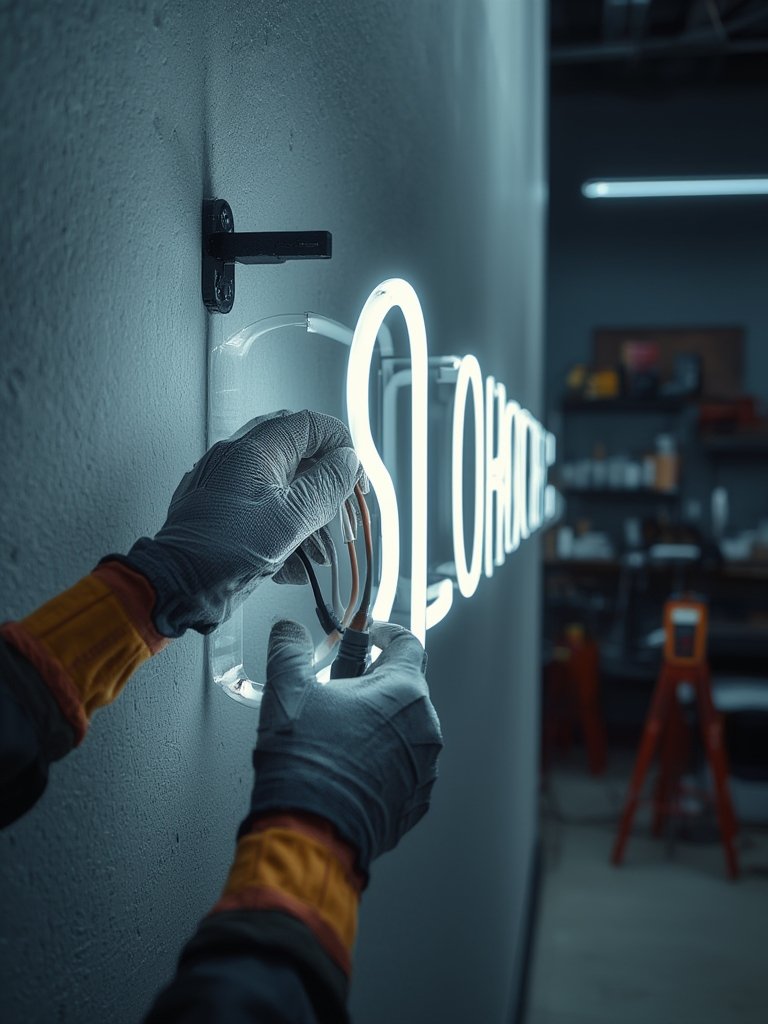
Customization can go far beyond colors: think animated effects, scheduled color switching, or battery-pack portability for pop-ups and events. Smart, voice-controlled neon is on the rise—review voice-controlled smart lighting solutions to integrate signage with your home or business automation.
Finally, always ask about after-sales support—genuine vendors back hardware with warranties (often 1-2 years). For more rugged outdoor projects, request technical specs such as IP ratings (see advanced analysis below for what this means in practice).
Advanced Analysis & Common Pitfalls: What Most Buyers Miss
Personalized LED neon signs offer massive advantages but are not risk-free. Many buyers make costly mistakes—here’s what to avoid and how to compare your options.
Common Pitfalls and How to Dodge Them
- Vague Pricing: Too many shops obscure the real cost. Insist on a written, itemized quote. Factors include text-only vs. complex graphics, size, installation hardware, smart add-ons, and installation services. Avoid paying for features you don’t need.
- Shipping Fragility: While LED is less fragile than glass neon, large signs may still crack if dropped. Always check packaging and ask about insurance or returns before purchase.
- DIY Install Surprises: Don’t expect plug-and-play for every option. Some signs need wall anchors (especially for glass or acrylic backings). For outdoor installs, waterproofing and secure cable routing are critical.
- Compatibility Gaps: Not all smart controls or dimmers work with every sign. Review or request compatibility with your favorite app or system, referencing resources like our Matter smart lighting setup guide.
- Maintenance Myths: LED neon is low-maintenance—but not zero. Power adapters occasionally fail, and outdoor signs exposed to sun/rain need cleaning and regular checkups.
- Technical Specs Misunderstood: Terms like “IP65” or “5000 nits” confuse many buyers. See the table below for plain-English definitions.
Technical Comparison Table: LED Neon Vs. Glass Neon
| Feature | LED Neon | Traditional Glass Neon |
|---|---|---|
| Lifespan | ~10 years | 2-3 years |
| Energy Consumption | Uses 80% less power | High (requires transformers) |
| Durability | Flexible silicone tube IP65 waterproof for outdoor options |
Brittle glass (easy to break); Not suited to outdoors |
| Brightness | Up to 5000+ nits; App adjustable | Fixed brightness; difficult to dim |
| Voltage | Low (12V or 24V DC) | High (typically 3,000-15,000V AC) |
| Customization | Any shape, color, animation, smart features | Limited to glass bending; color is fixed per tube gas |
| Installation | Easy DIY (wall mount, stand, adhesive options) | Professional only; fragile and heavy |
| Maintenance | Minimal; adapter replacement rare; easy to clean | Expensive, specialist only |
Understanding Technical Specs
- IP65 Waterproof: Suitable for outdoor use, resists dust and rain. For harsher climates, ask for higher IP ratings. See LED neon strip install guide for how to handle weatherproof lights.
- Brightness (nits): 3000+ nits needed for sunlight windows; 5000+ for exterior visibility during the day.
- Voltage: Modern signs use safe, low-voltage DC adapters. Always make sure you get UL or ETL certified units for safety.
- Color Options: True-RGB or “16+ dynamic colors” allow brand-matched glow. Single-color is more affordable but less flexible.
- Size: Confirm in centimeters or feet. Mockups help avoid accidentally ordering a desktop sign when you want a wall-sized feature.
For extra insights on smart, stylish lighting projects (including neon-look options), check out guides like LED lights for bedroom aesthetic and smart LED strip lights.

Conclusion
Custom LED neon signage stands out as both a creative outlet and a proven business growth lever. Whether you want to transform your living space or draw crowds to your shop, today’s signs bring vivid colors, flexible shapes, and smart controls that old-school neon couldn’t provide. Stats show: for most businesses, returns come quickly and installation stress is low if you pay attention to technical details upfront.
Curious about the possibilities? Compare personalized LED neon signs side by side, make a checklist, and work with vendors who publish every detail. Ready to get started? See the neon flex install guide and bring your vision to life!
FAQ
How long do personalized LED neon signs typically last?
With proper use, modern LED neon signs last around 10 years—far exceeding the 2-3 year average of glass neon, thanks to the rugged silicone tubing and low-voltage operation.
Can LED neon signs be used outdoors?
Yes, but make sure to specify IP65 or higher waterproofing. Outdoor-rated signs resist rain and dust, but should be installed under some cover in extreme weather.
Are custom LED neon signs energy efficient?
Absolutely. They use up to 80% less power than glass neon, meaning lower electricity bills and less heat output. Most run comfortably on standard 12V or 24V DC power adapters.
Is installation really DIY-friendly?
For most wall-mounted or standalone units, yes. They usually ship with mounting kits or stands. Oversized or complex installations might still require professional help, especially with high-mounts or integrated electrical wiring.
How customizable are these signs?
Nearly any text, shape, logo, or animation is possible. You can choose from more than 16 dynamic colors, variable brightness, app-based controls, and even motion sensor activation. Review vendor catalogs for inspiration.