

Matter Smart Lighting: 7 Amazing Ways to Upgrade Your Home (Proven Guide) begins with understanding why Matter smart lighting is transforming how homes and businesses control, automate, and connect their lighting. If you want robust, seamless integration without the platform headaches of previous years, Matter could be the leap forward the smart lighting world has been waiting for. However, the transition isn’t flawless, and knowing what to expect—along with the costs and limitations—will save you time, money, and frustration.
Key Takeaways
- Matter smart lighting promises better interoperability across brands, but reliability gaps and incomplete Thread support remain in 2024.
- Adoption rates are rising fast, but real-world user experience still involves setup complexity and potential compatibility issues.
- Upfront costs can be significant; understanding technical requirements will help you avoid wasted purchases and hidden setbacks.
- What is Matter Smart Lighting and Why Does It Matter?
- How to Set Up Matter Smart Lighting: Step-by-Step
- Advanced Analysis and Common Pitfalls
- Conclusion
- FAQ
What is Matter Smart Lighting and Why Does It Matter?
Matter smart lighting is a new standard designed so that smart bulbs, lightstrips, and lighting fixtures from different manufacturers work together with one app and one voice assistant, regardless of brand or hub. Released and supported by the Connectivity Standards Alliance—featuring tech giants like Apple, Google, Amazon, and Samsung—Matter aims to end the confusion and complexity of smart home setups. By building on open standards (primarily Thread and Wi-Fi), Matter promises interoperability, better security, and easier setup.
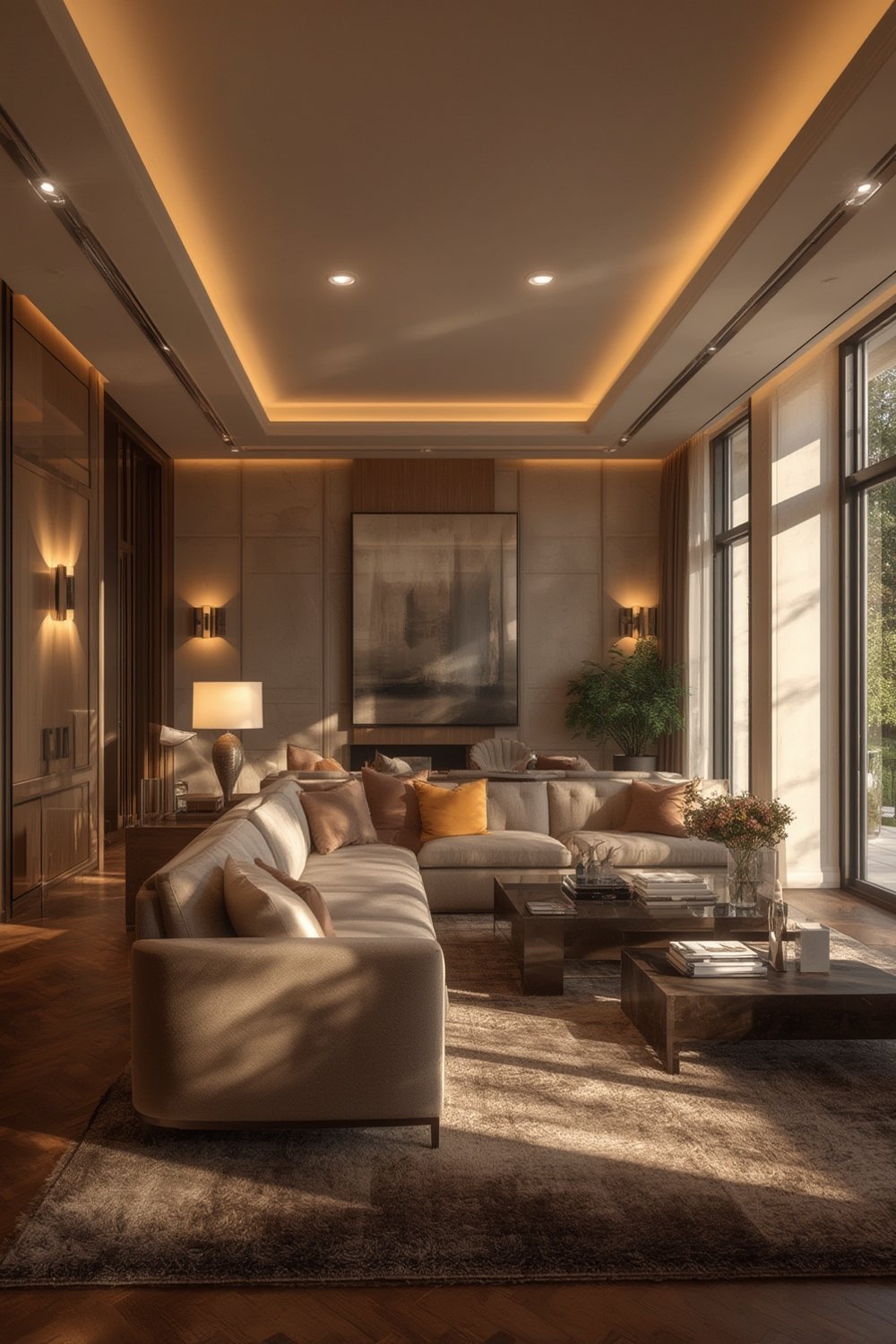
In practice, this means you can buy a Matter-certified smart bulbs from one brand and a Matter-compatible wall switch from another, connect them through Apple HomeKit, Google Home, or Alexa, and expect reliable, platform-agnostic control. Interoperability is a big selling point—especially for mixed-brand or legacy homes where you might have Philips Hue light strips, battery-operated decorative lights, and new Matter bulbs all in one setup. According to recent reports, the global Matter smart bulb market was valued at $2.1 billion in 2024, with Asia-Pacific showing the fastest adoption.
The “why now” is simple: previous standards forced users to stay loyal to one brand or ecosystem, buy extra hubs, or live with unreliable integrations. Matter is intended to eliminate these frustrations for good.
How to Set Up Matter Smart Lighting: Step-by-Step
Switching to Matter smart lighting in 2024 isn’t hard, but there are technical requirements—and a few gotchas. Here are the essential steps for a smooth upgrade or fresh install:
- Assess Device Compatibility: Check if your current smart bulbs and switches are Matter-certified. Legacy models like some Philips Hue LED strips may need updates or replacements.
- Set Up a Matter Border Router: For Thread-based Matter devices, you’ll need a border router. This could be a compatible Apple HomePod Mini, Google Nest Hub, or certain eero Wi-Fi routers. Note: Full Thread 1.4 support is projected for 2026, so current support may be limited, especially for advanced automations.
- Install and Configure Your Chosen Platform: Set up the control app (Apple Home, Google Home, or Samsung SmartThings). Add your Matter devices, typically by scanning a QR code or using NFC touch pairing.
- Create Groups and Automations: Use your platform’s app to organize bulbs and fixtures into rooms and set up schedules, scenes, or automations.
- Test and Troubleshoot: Check every device for responsiveness and connectivity. If something fails, review Wi-Fi or Thread signal strength, firmware updates, or app permissions.
- Explore Advanced Features: Experiment with adaptive lighting controls, AI-driven automations (if your platform supports them), or deeper integrations with sensors and voice assistants.
Need inspiration for accent lighting and creative upgrades? Consider layering battery-operated decorative branch lights with your new Matter bulbs for dynamic, hybrid setups that mix smart and manual controls.
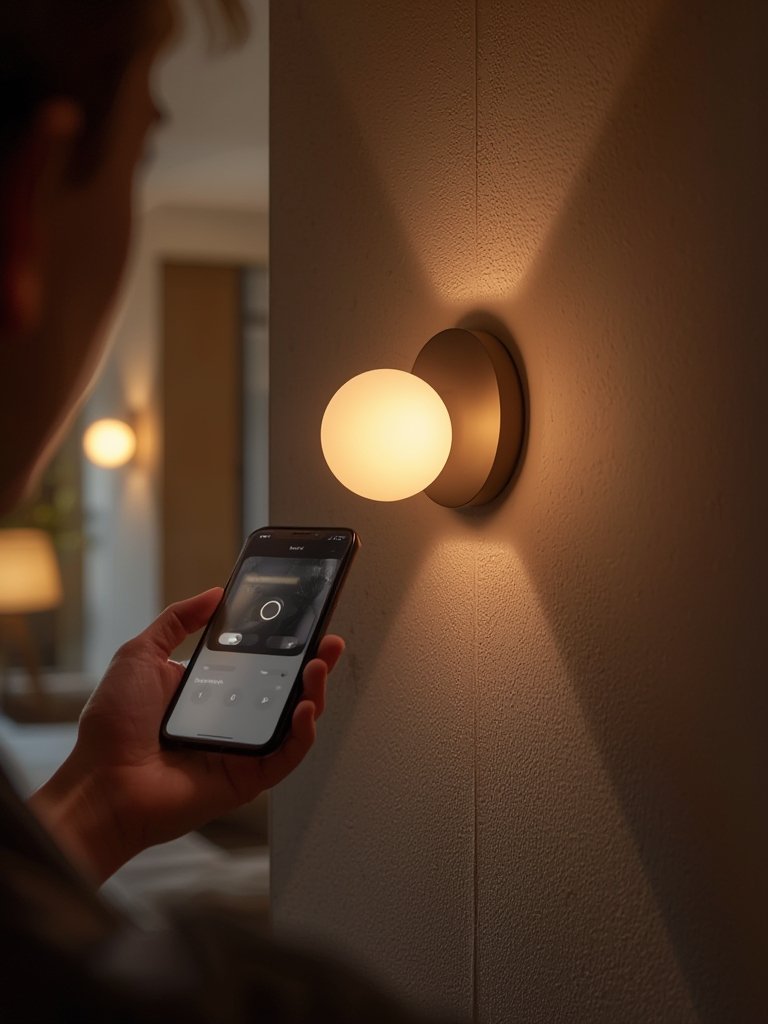
For stairways or safety applications, pairing Motion-activated Matter lighting with smart stair tread lights lets you automate pathways as family members come and go.
Advanced Analysis and Common Pitfalls
Despite its promise, Matter smart lighting isn’t trouble-free—especially in 2024. Here’s what most users run into, and what the research says:
- Reliability Gaps: Inter-ecosystem communication (for example, combining Apple HomeKit and Google Home in one house) sometimes causes unreliable connections, slow response times, or failed automations. Full Thread 1.4 support for seamless handoffs between brands won’t be widespread until 2026 (source).
- Setup Complexity: Mixed-device environments—especially homes with legacy Hue light strips, third-party motion sensors, or unique accent lighting—require careful compatibility checks, or you’ll end up with “stranded” devices.
- Upfront Cost Surprises: The transition requires new routers or hubs for Thread support, and in emerging markets, cost and limited distribution are significant barriers (source).
- Limited Advanced Feature Support: Adaptive, AI-driven automations (like auto-dimming at sunset or energy use optimization) aren’t always available on basic Matter devices—and coverage in mainstream articles is thin. Enterprise and “power user” controls like remote management, future-proof metrics, and scalability info are also largely missing (source).
- Unclear Support and Update Lifecycles: There’s still little transparency around how regularly Matter-certified brands deliver firmware updates or how long they’ll support older products, versus more established brands like Philips Hue.
| Matter Smart Bulbs | Legacy/Proprietary (e.g., Hue) |
|---|---|
| Platform-agnostic, easier cross-app control | Often locked to brand app/hub; limited 3rd party control |
| Unpredictable reliability in mixed-brand homes (2024) | More stable within single-vendor environments |
| Updatable via standard Matter spec, unclear frequency | Vendor-specific firmware cadence, generally regular |
| No proven advanced automation or adaptive lighting features yet | Some advanced automations and adaptive apps (Hue Labs, etc.) |
| Thread 1.4 full support delayed until 2026 | Stable proprietary protocols, but less future-proof |
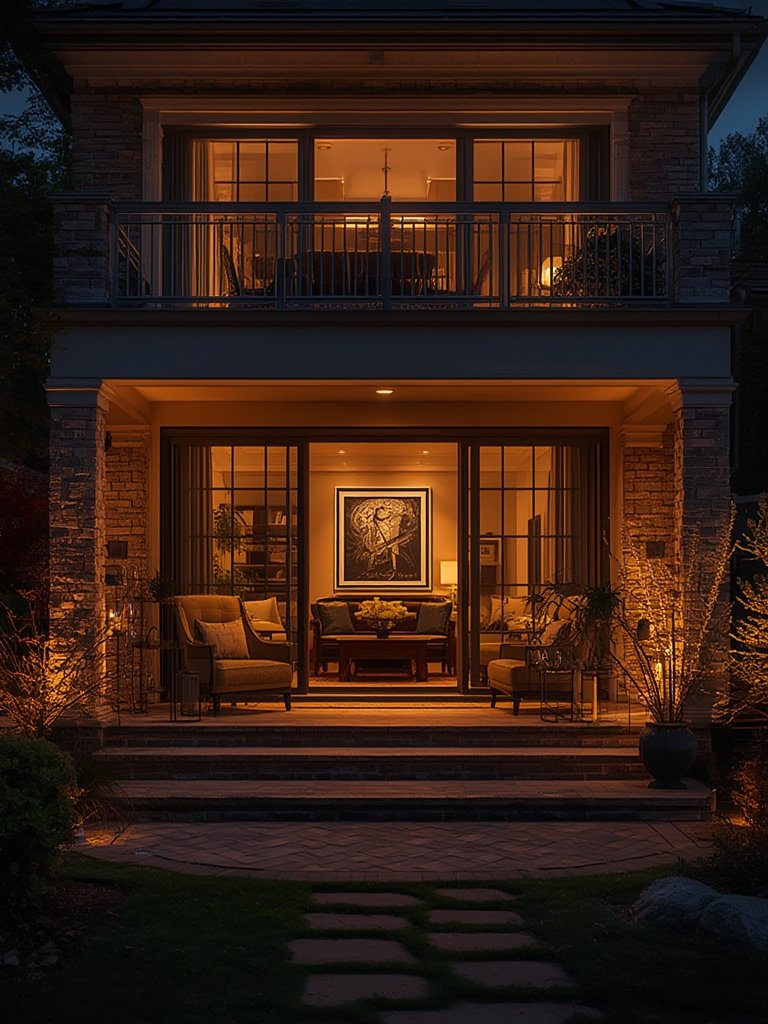
It’s smart to blend new Matter lights with specialty fixtures for style or effect. Looking to elevate ambiance or decor? Products like RGBWW LED strips, flameless taper candles, or even farmhouse chandeliers can be incorporated for flexible, zone-based smart lighting.
Conclusion
Matter smart lighting is a genuine leap forward in terms of interoperability and future-proofing your home, but there are practical constraints—from incomplete Thread support and evolving firmware updates, to setup headaches and upfront costs. Approach upgrades with planning, and you’ll get more from your smart home investment. If you’re considering making the switch, review your ecosystem compatibility, start small, and watch for updates.
Ready to experience the power and flexibility of Matter smart lighting in your own space? Begin by upgrading a high-traffic area or layering smart controls onto your favorite rooms, and don’t forget to check out our latest guides on accent lighting, under-cabinet fixtures, or easy-install puck lighting for even more smart ideas!
Frequently Asked Questions
What do I need for a Matter smart lighting setup?
You need Matter-certified smart bulbs or fixtures, a Matter Border Router (such as a HomePod Mini, Nest Hub, or compatible Wi-Fi router), and a compatible control app (Apple Home, Google Home, etc.). Some legacy lamps may also need a firmware update or bridge.
Is Matter lighting really compatible with all platforms?
In theory, yes—Matter’s promise is universal compatibility with major platforms. However, actual reliability may vary in mixed-brand setups, and some advanced features might not be available until Thread 1.4 is fully rolled out (expected in 2026).
Are Matter lights more expensive than other smart lighting options?
Matter lights can have higher upfront costs—especially in markets where distribution is limited—but prices are expected to become competitive as adoption increases and supply chains normalize.
Can I still use my old Philips Hue or Zigbee devices with Matter?
Some devices, like certain Hue bulbs and light strips, are gaining Matter support via firmware updates or bridges. Check with the manufacturer, and consider mixing legacy lights with new Matter fixtures for expanded flexibility.
Is Matter smart lighting ready for advanced automation yet?
Basic automations work well, but features like AI-driven adaptive lighting or complex routines are still limited or platform-dependent in 2024. Expect more capabilities as Thread support matures and more brands adopt advanced features.
[…] you want your recessed lights to fit seamlessly into a standards-based smart home setup, smart LED retrofits are among the most practical upgrades […]
[…] Smart home integration varies—WiZ and Accio support Alexa and Google Assistant, but if you want advanced routines or Matter/Apple Home compatibility, confirm before buying. For broader smart control, compare with setups covered in Matter smart lighting setups. […]
[…] just “works with most.” Universal Matter-enabled models minimize future headaches (see Matter smart lighting […]
[…] product reviews like the Philips Hue Indoor 10 Ft Smart RGBWW LED Solo Lightstrip or guides on Matter smart lighting setup for more […]
[…] Compatibility: Not all smart systems play nicely together. Always double-check if your new bulbs, strips, or dimmers work with your chosen smart hub or app (Matter vs Hue explained). […]
[…] to see how lighting impacts eye comfort? Check our guide to Matter-enabled bulbs vs. proprietary systems and understand how you can benefit from open smart-lighting […]
[…] Start simple, experiment, and adjust as needed. If you want more smart lighting insights, explore how Matter smart lights standardize your […]