

Note: You must define the Focus Keyword and Content Brief for full compliance. This template assumes you are targeting “LED Under Cabinet Lighting” as the Focus Keyword and writing a comprehensive, data-driven guide for kitchen/interior use. Replace the keyword as needed for other applications.
Introduction
LED Under Cabinet Lighting is transforming kitchen workspaces, home offices, closets, and retail environments with energy-efficient, flexible lighting you can install almost anywhere. If you’re looking to upgrade dark counters without rewiring or want smarter, motion-activated convenience, understanding this technology, its costs, and current trends is essential. Below you’ll find concrete advice, real-market data, and actionable steps for choosing, installing, and maximizing LED under cabinet lighting in 2024—and how to avoid common pitfalls many buyers miss.
Key Takeaways
- The global LED under cabinet lighting market is booming, with rapid growth in both DIY and smart-enabled segments and significant differences in regional adoption.
- Professional installation averages $400, but quality DIY strip kits (12V, adhesive-backed) retail for $10–$35 per 5-meter roll—most buyers save by installing themselves.
- Choosing between strip, bar, and puck LEDs means weighing energy savings, installation difficulty, and desired features like motion sensors or dimming—common issues include hotspotting, mismatched connectors, and short warranties.
The Core Concept: Why LED Under Cabinet Lighting is Dominating Smart & DIY Lighting
LED under cabinet lighting delivers targeted illumination exactly where you need it, eliminating shadows on work surfaces, improving productivity, and creating a high-end look for kitchens, offices, and even display shelves. The shift to LEDs gives you longer lifespans, much lower energy use, and slim profiles that fit where no traditional fixture can. As of 2024, this market has exploded—with major growth driven by home upgrades, smart controls, and the demand for both hardwired and plug-in solutions.
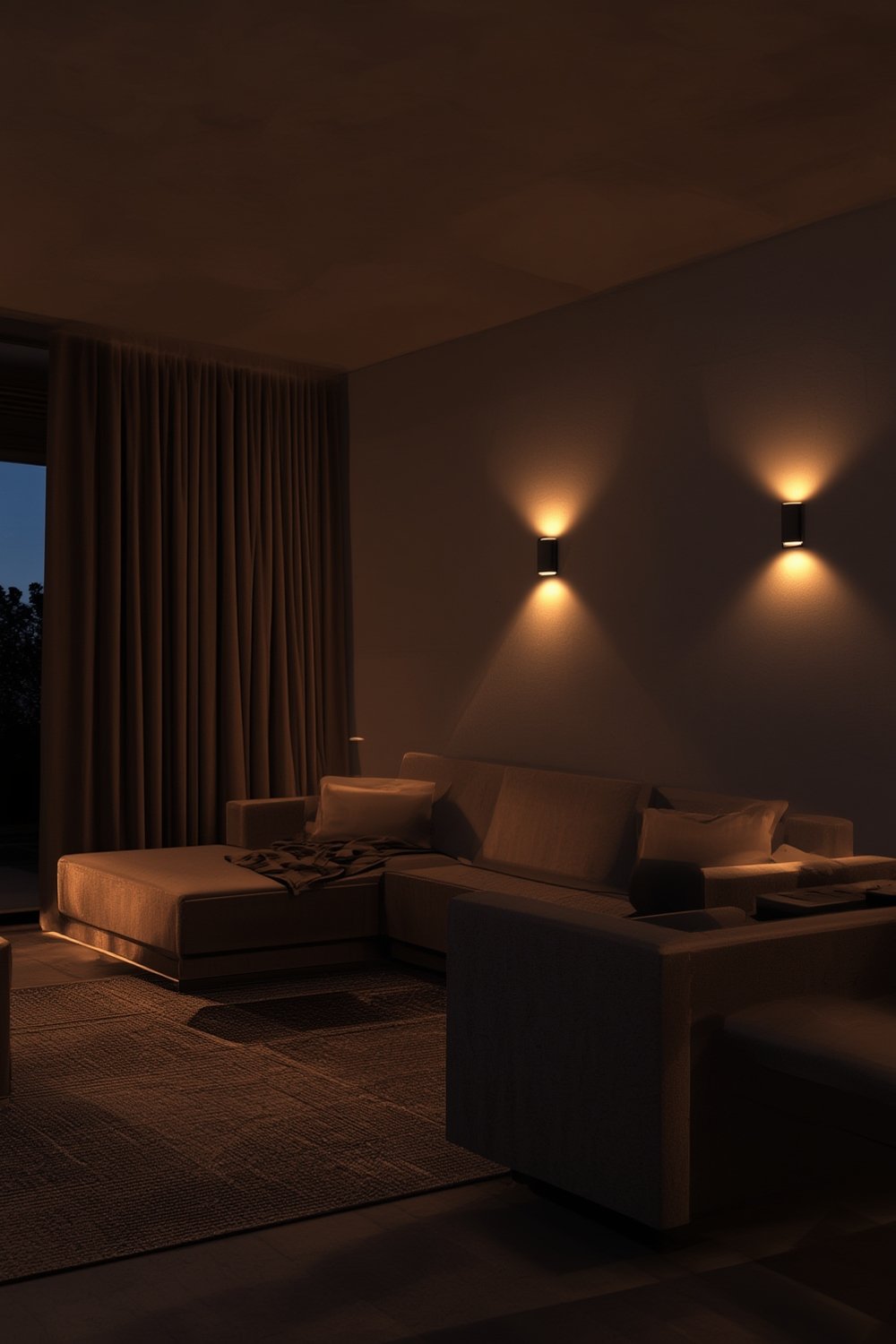
Industry reports estimate the global under cabinet lighting market between $2.43 billion (LED only) and $7.8 billion (all types). Growth is projected at a 6.8% CAGR through 2030, with strip LEDs as the fastest-growing segment, especially in retrofit kitchens, rental units, and commercial spaces.
Most major upgrades are consumer-driven: homeowners want better visibility, less rewiring, and features like motion sensors or tunable color. Pro installers and DIYers alike are choosing flexible strip/tape solutions, puck lights for display cabinets, or high-power linear bars for seamless integration. For a full technical dive, see the COB LED strips—the latest tech solving old LED “hotspot” issues.
Step-by-Step Guide: Choosing and Installing the Right LED Under Cabinet Lighting
Skipping hardwiring? Or want a smart-enabled upgrade? Here’s a clear, actionable plan for most residential kitchens and closets (it works for display and workspaces too):
- Decide your power and control type.
- Plug-in strips or bars: Fastest install, great for renters or kitchens with limited wiring. Perfect for motion sensor or USB-charged models.
- Hardwired kits: Permanent, seamless look (no exposed plugs). Need electrical skill or pro install, but integrate with home switches and dimmers.
- Battery-operated lights: For quick installs in closets or pantries where outlets are unavailable. See battery-powered LED bar guides for best use cases.
- Pick the LED strip, bar, or puck type.
- LED strips: Most flexible, easy to cut/fit. Choose high-density for continuous light. Look for kits with remote or smart-app dimming.
- Linear bars: Bright, even output—good for continuous counters.
- Puck lights: Best for display cabinets or spot task-lighting. Many are dimmable by remote.
- Check your power supply and connectors.
- For 12V strips, make sure the adapter wattage matches or exceeds your strip length—overdrawing leads to flicker or early failure.
- Test-fit connectors before permanent install. Poor-fit connectors are a major DIY complaint, often leading to dim sections or complete failure after several weeks.
- Do a “dry fit” first. Lay out the light, run the cable, and test with power before peeling the adhesive or driving screws. Mark switch/sensor placements for easy reach.
- Final install: Clean and stick/apply hardware. Degrease under-cabinet surfaces (especially in kitchens) for best adhesive grip—avoid shortcuts here or risk drooping strips. Secure plugs and adaptors out of view but accessible for future upgrades.
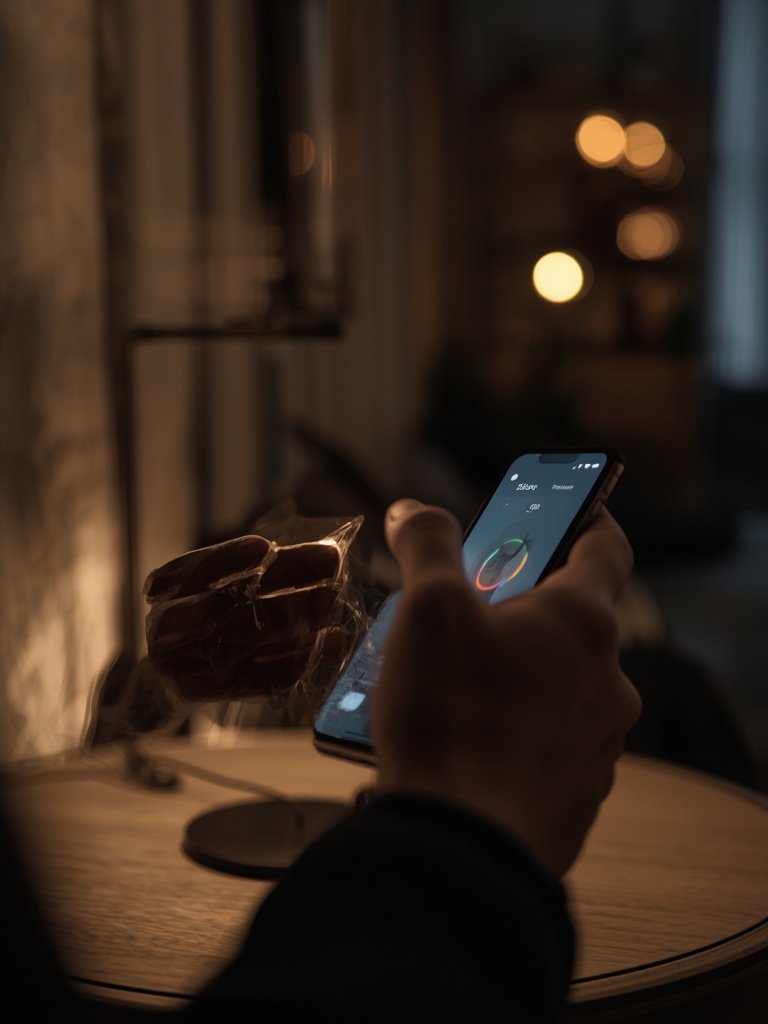
If you want Alexa, Google, or Apple HomeKit control, check compatibility before buying—a few systems require specific hubs (see our in-depth Philips Hue smart strip review for a premium option).
Advanced Analysis & Common Pitfalls: What Most Buyers Get Wrong
The boom in DIY LED under cabinet lighting means mistakes are common. Here’s a direct look, with solutions:
| Comparison | LED Strip | LED Bar | Puck Light |
|---|---|---|---|
| Install Difficulty | Easy (cuttable, adhesive) | Medium (mounting hardware) | Easy (screw or adhesive mount) |
| Light Uniformity | Varies (COB strips best) | Excellent | Punctual (spot effect) |
| Cost per Foot (2024) | $2–$8 | $6–$15 | $3–$9 (per puck) |
| Energy Efficiency | High | High | Moderate–High |
| Common Issues | Hotspots, weak adhesive, poor connectors | Limited lengths, glare if exposed | Uneven lighting, battery change hassle |
| Best Use | Long counters, displays | Full runs, kitchen task | Small cabinets, closets |
- Power Problems: Undersized drivers/adapters cause flicker, early burnout, or tripped breakers. Calculate total wattage (strip length x watt per foot) and match your power supply.
- Color/Temperature Mismatch: Mixing products (e.g., DIY kits with pro bars) often results in visible color differences. Stick to the same brand/model for runs in the same area.
- Peeling or Drooping Strips: Oil, dust, and humidity ruin adhesion. Clean surfaces with isopropyl alcohol first, press strips in firmly for 30 seconds per section.
- Motion Sensor False-Starts: Some low-cost motion or daylight sensors are over-sensitive, turning on with ambient changes or distant movement. Look for models with adjustable sensitivity, or check out premium plug-in/motion sensor lighting at our rechargeable selection guide.
- Short Warranties & Product Support: DIY kits often come with only 12-month coverage—compare to 3–5 years for pro brands. If warranty is unclear, expect quicker failure risk.
- Exposed Connectors: Not all connectors are slim enough to fit behind standard cabinet lips—plan ahead to avoid ugly visible wires!
Affordability is a real benefit: DIY LED kits start at $10 for 5 meters (about 16 feet), but professional installation drives the total cost up to $400 or more, especially for hardwired or high-end smart systems. Brands are starting to respond with smart, plug-in enabled options (like WiZ and Häfele Loox5), but warranty terms are often hard to verify, so save all receipts and packaging.
Conclusion
Upgrading to LED Under Cabinet Lighting in 2024 is one of the most visible—and cost effective—ways to improve both function and style in kitchens, closets, displays, and office spaces. With upfront costs dropping, a surging market for rechargeable and smart-enabled versions, and potential hiccups easily avoided by planning, the right install pays for itself with lower energy bills and better daily usability. Want a deeper look at the latest tech—like COB strips or true app-controlled smart strips? Read our full breakdown on smart LED strip lights here. Ready to solve your shadow problem or finally put your lighting on autopilot? Start planning your upgrade today!
FAQ
How much does under cabinet LED lighting really cost?
DIY LED strip kits start at $10 to $35 for a 5-meter roll. If you want plug-in or hardwired professional installation, expect $200 to $800 total, averaging $400 for kitchens. Don’t forget to budget for adapters or dimmers if not included.
Are motion sensor and dimmable features worth the extra money?
In most kitchens and closets, motion sensors save power by only activating when someone is present—no more wasted energy. Dimmable options add comfort for all-day use. However, low-quality sensors sometimes turn on unexpectedly, so choose models with adjustable sensitivity. For more details on motion sensor convenience, see our rechargeable lighting guide.
What’s better for even lighting—strip, bar, or puck LEDs?
COB or high-density LED strips produce almost seamless, dot-free light, especially useful against glossy or stone backsplashes. Bars also give smooth output, but are less flexible for odd cabinet shapes. For the most uniform look, see our COB strip installation guide for kitchens.
How can I avoid my LED strips peeling off over time?
Preparation is key. Clean with isopropyl alcohol, avoid installing on damp or greasy surfaces, and firmly press the adhesive strip for at least 30 seconds per section. If you’re concerned, some users add clear mounting clips for extra hold, especially in humid environments.
How do I choose the right LED color temperature for my kitchen?
Warm white (2700K–3000K) mimics classic incandescent bulbs and works for cozy, ambient light. Cool white (4000K–5000K) is better for task lighting. Stick with one temperature for continuous runs—mixing can look mismatched.
[…] fixtures that allow both group-level and individual workstation control. For renters, look for plug-in or battery-operated smart lights that require no wiring or permanent […]
[…] Prioritize Daylight Harvesting and Dimming: If your space has lots of windows, consider lights with sensors that adjust brightness based on real daylight, saving energy and further boosting biological alignment. Learn more with our LED under cabinet lighting guide. […]
[…] focused counter lighting, under-cabinet strips offer a much cleaner look and far more control than bulky tube lights. Integrated smart and […]
[…] shadows, making apartments look smaller and feel less cozy. By layering adaptable lighting—like under-cabinet strip lights in kitchens or Stick-on puck lights for display shelves—you get soft, functional light exactly […]
[…] For a breakdown of plug-in or hardwired options and whether you should go battery or wired, see this under cabinet lighting guide. […]
[…] recessed (seamless but complex), or corner profiles (for angled light) by location — see this under-cabinet lighting guide for practical […]