

### Blog Post:
LED neon flex and flexible neon LED strip solutions are rapidly reshaping indoor and outdoor lighting in 2024, blending design, energy savings, and durability for both commercial and DIY projects. If you want actionable guidance and honest insight for your next neon lighting install, this guide is built for you.
Key Takeaways
- LED neon flex is outpacing traditional neon in efficiency, design flexibility, and global market share—especially in Asia-Pacific and hospitality sectors.
- Power consumption is up to 75% lower with LED neon flex compared to glass neon, but specific lifespan and brightness specs can vary between products.
- Practical installation, safety, cost breakdowns, and unusual applications are still not covered deeply by competitors—DIYers and buyers must research carefully.
- Market Overview and Why LED Neon Flex Matters
- Step-by-Step Guide: Planning and Installing Flexible Neon LED Strips
- Advanced Analysis & Common Pitfalls
- Conclusion
- FAQ
Market Overview and Why LED Neon Flex Matters
Flexible neon LED strips, including LED neon flex, are ballooning in popularity for lighting and signage. The market for these products was valued at USD 2.5 billion in 2024 and is expected to double by 2033, thanks to explosive growth in consumer electronics, retail, and entertainment, especially in Asia-Pacific.
This growth is due to several factors:
- Energy Efficiency: LED neon flex uses up to 75% less power than traditional glass neon. This means major savings for commercial installations and is a key driver as global energy costs rise (Future Market Insights).
- Design Flexibility: Products are available in modular and bendable formats, making custom signage and artistic wall installations easy and affordable. This is especially popular for commercial venues such as hotels, retail storefronts, and entertainment venues (DataHorizzon Research).
- Urbanization & Trends: Massive demand from China and urban centers across North America and Europe means not only more LED neon flex in the wild, but also continuous innovation in form factors, RGB controls, and smart lighting compatibility (ResearchNester).
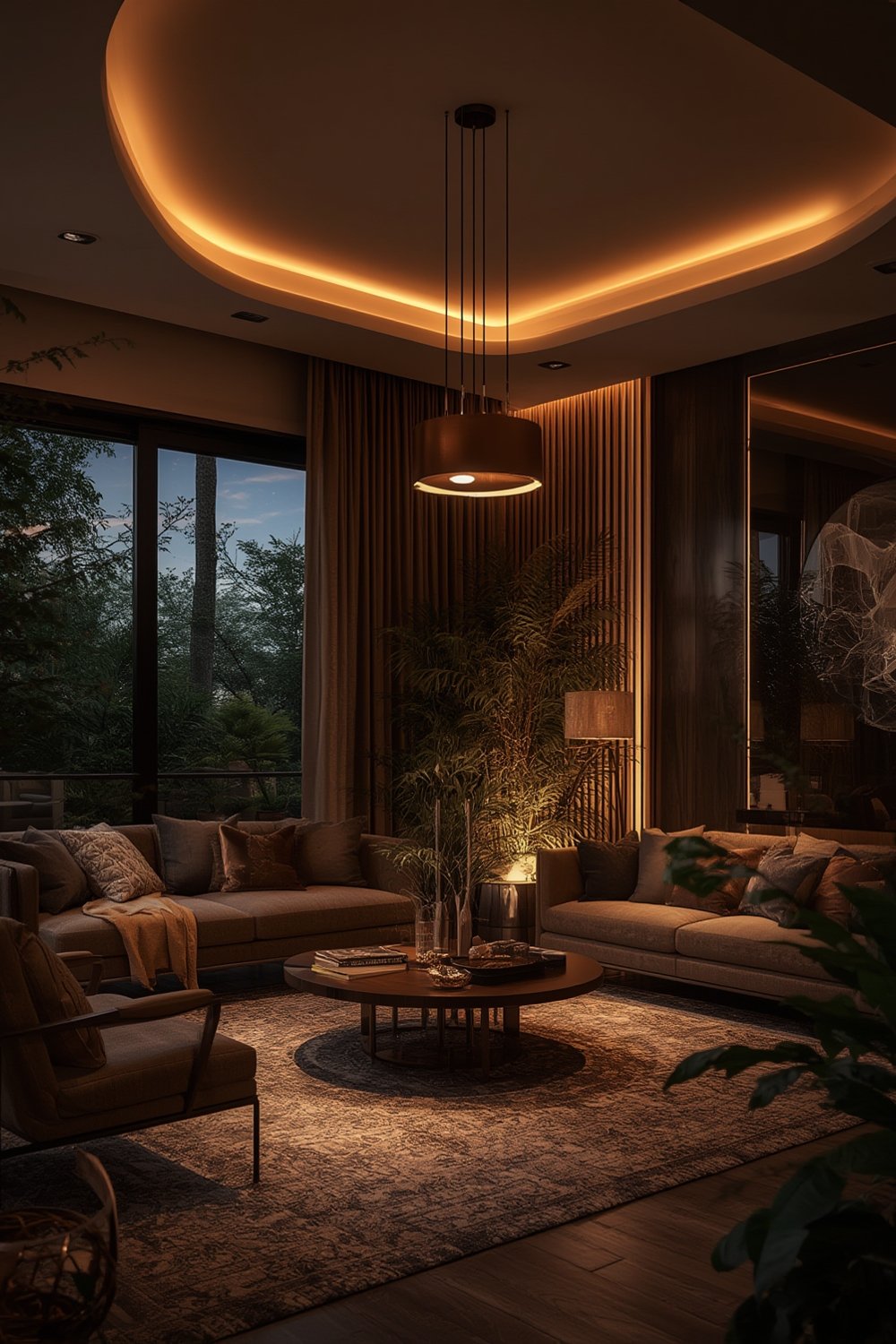
LED neon flex now dominates the neon sign market, holding a 43.2% share globally in 2025, and is favored in fast-changing industries where rapid installation and energy cost savings are crucial (Coherent Market Insights).
If you’re exploring premium indoor LED strips, smart lighting for ambiance, or robust commercial signage, modern flexible neon solutions offer a toolkit that simply didn’t exist a decade ago. For related options, take a look at our Philips Hue LED strip review and smart LED strip buying guide for insight on controls and installation.
Step-by-Step Guide: Planning and Installing Flexible Neon LED Strips
Installation of flexible neon LED strips or LED neon flex is a popular DIY project, but professional results require clear steps and practical planning.
- Map Your Design
Sketch or digitally lay out where your neon strip will go for signage, accent lighting, or art. Take precise measurements, considering power source locations and potential bends. - Select Appropriate Product
Pick a high-quality, outdoor-rated option if needed. For smart home users, confirm app compatibility and color support. If you want truly customizable colors and scenes, consider Philips Hue strips. For bias lighting or TV backlighting effects, read our HDMI sync lighting guide. - Prep the Surface
Clean walls or install mounting channels. Adhesives stick best to clean, oil-free surfaces. For outdoor neon rope lights, ensure the mounting surface is dry and flat. - Make Your Cuts
Most modern LED neon flex has marked cutting intervals. Only cut where indicated, and always seal exposed ends with proper end caps or silicone to prevent short circuits or water ingress. - Wiring and Power
Test-fit the strip and make all connections before final fixing. For outdoor use, employ waterproof connectors and extension kits. Never overload a single power supply—consult the manufacturer’s wattage per meter and add a buffer for safety. - Secure and Dress Cables
Use mounting clips or channels for a clean, professional finish. Avoid sharp bends—gentle curves only. Conceal wiring behind trim or furniture where possible. - Test and Troubleshoot
Power everything up and test colors, dimming, and smart features if present. Address any dark segments or flickering before finishing the install.
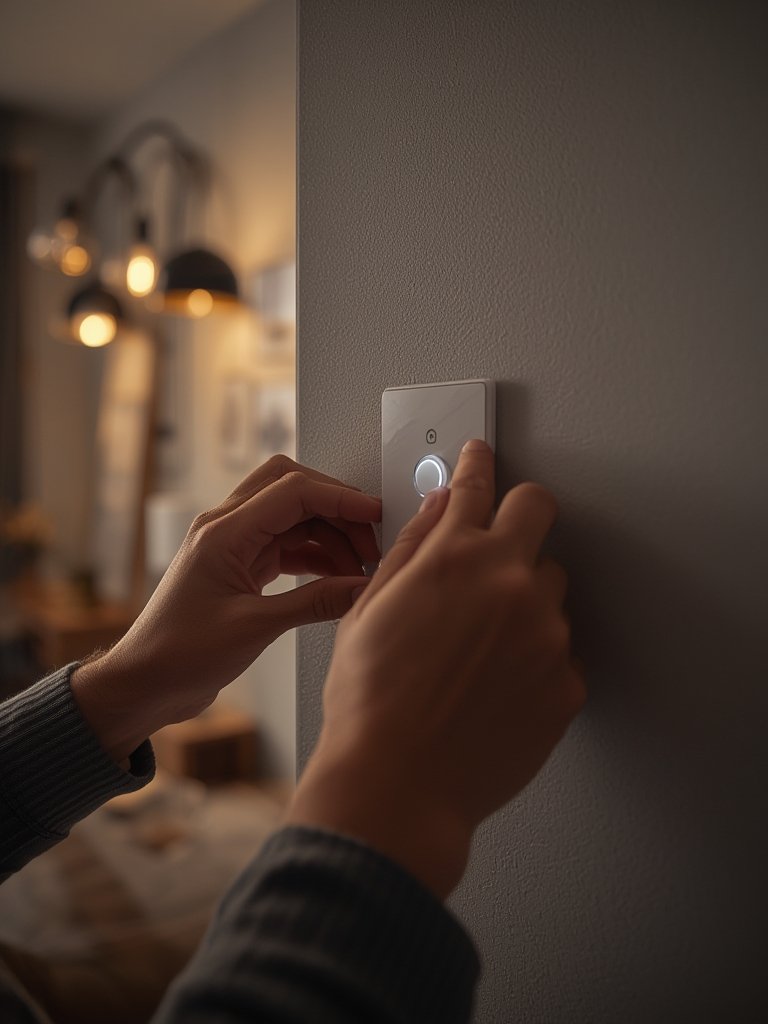
If you’re after more creative applications, try integrating neon flex under cabinets for accent lighting—get practical ideas from our wireless under-cabinet guide. Or, for garden and exterior ambience, check out our outdoor string lighting review for complementary setup tips.
Advanced Analysis & Common Pitfalls
While LED neon flex products are game changers, they are not foolproof. Here are the most important challenges and mistakes users face, along with technical comparisons to traditional neon and standard LED strips.
Common Problems and Realistic Issues
- Outdoors, Moisture Fails: Many neon rope lights claim to be waterproof, but improper end sealing or loose connectors can allow water in, killing the strip. Weather can also affect adhesive longevity.
- Voltage Drop & Flicker: Running long lengths off a single power supply can result in color inconsistency or flickering. It’s vital to add extra power injection points for runs over 5m/16ft.
- Brightness Surprises: Some buyers expect LED neon flex to be as bright as glass neon or standard high-output LED strips, but actual lumens per meter vary widely by manufacturer and color. Always compare lumens, not just watts.
- Limited Detailed Specs: Many brands do not disclose true lifespan (often about 30,000-50,000 hours) or exact energy use per meter. When shopping, request data sheets or sample a meter before bulk purchase.
- Safety & Compliance: There is little public info about certification or compliance for neon flex. For permanent outdoor installs in wet areas, look for products listed with global safety marks (such as ETL or UL).
LED Neon Flex vs. Glass Neon vs. Standard LED Strips: Tech Comparison
| Feature | LED Neon Flex | Glass Neon | Standard LED Strip |
|---|---|---|---|
| Power Consumption | Up to 75% lower vs glass neon | High | Low–Modest |
| Typical Lifespan | 30,000–50,000 hrs* | ~10,000–30,000 hrs | 25,000–50,000 hrs* |
| Brightness (Lumens/m) | Varies: 200–900* | Varies: 400–900 | 300–1800 |
| Flexibility | Excellent (Bendable, modular) | Rigid, glass—fragile | Good, but not diffused |
| Energy Efficiency | Very high | Low | High |
| Weather Resistance | High (if properly sealed) | Low | High (with IP-rated options) |
*Actual values depend heavily on product quality and installation.
Data sources: Future Market Insights • Cognitive Market Research

Installation Gaps & Buyer Awareness
- DIY Gaps: Few how-tos explain advanced mounting, creative routing on uneven surfaces, the right use of diffusers, or safe outdoor power connections. If you want to optimize placement in modern décor, see our battery puck lights guide for clever cable management and power ideas applicable to LED neon flex, too.
- Budget Surprises: Price varies widely. Be wary: some brands inflate wattage or lumens, and not all “outdoor” products offer equal protection. Factors like color rendering index (for accurate colors), weather seals, and true output impact cost.
- Creative Uses: Besides commercial apps, modular LED neon flex is now used for backlit wall art, stair tread accenting (see our LED stair lighting solutions), and even themed bedroom walls.
Conclusion
The rise of LED neon flex and flexible neon LED strip is powering new lighting ideas that are both energy-efficient and surprisingly user-friendly. As the market doubles over the decade, these solutions will become more available for everything from DIY home updates to demanding commercial builds. If you’re considering a project, focus on published specs, plan waterproofing carefully, and don’t be afraid to experiment. For more help choosing between different types of smart LED lighting, visit our detailed strip light comparison guide or explore bias lighting setups for specialty use cases.
Ready to transform your space? Dive into flexible neon and let your creativity set the scene—with LED neon flex and flexible neon LED strip lighting, your options are limitless. Start your project today!
FAQ
How long do LED neon flex and flexible neon LED strips last?
On average, high-quality LED neon flex lasts between 30,000 to 50,000 hours, depending on product quality and usage. Always check product datasheets for supported lifespan.
Are LED neon flex lights suitable for outdoor use?
Many products are IP-rated for outdoor installations, but correct sealing of end caps and weatherproof connectors is crucial. Inspect manufacturer specs and always over-seal in harsh conditions.
What factors impact the price of flexible neon LED strips?
Price is influenced by color accuracy, output, weatherproofing, smart controls, and overall build quality. Highly durable, outdoor-rated, or RGB smart options cost more than basic indoor strips.
Can you cut LED neon flex to custom lengths?
Yes. Most modern products include labeled cutting intervals. Only cut where indicated and always reseal ends immediately to maintain safety and water protection.
Is LED neon flex safer than glass neon?
Generally, yes. LED neon flex runs on low voltage and is encased in flexible silicon, reducing electrical and breakage risks. Glass neon is fragile and involves high voltages.
[…] your lamp has a visible cord and you want cleaner lines, try neon flex or other creative cord-hiding […]
[…] Projection accuracy and “spotty” starfields. Inexpensive domes may project blurred, unrealistic stars. Laser or premium LED mechanisms are markedly crisper, especially if you seek realistic constellations or nebula effects. For pure aesthetics without projection—like creating a moody vibe—consider ambient TV bias lighting or neon LED strips. […]
[…] color type (standard RGB, RGBIC for independent zones, or tunable white). For advanced users, LED neon flex strips offer a cleaner, spot-free […]
[…] difficult corners or behind heavy furniture, consider flexible neon-style LEDs for even light and easy […]
[…] continuous under-tread illumination, measure your stair width carefully. Reference guides like the neon flex strip tutorial for creative design inspiration or ideas for difficult curved […]
[…] units now last up to 10 years, run cool and safe to the touch, and use 80% less energy—see the LED neon flex installation guide for hands-on project […]