

LED mirror bathroom products have rapidly taken over modern bathrooms in 2024, combining functional lighting with smart features that redefine daily routines and interior style.
Key Takeaways
- The global LED mirror bathroom market is set for strong growth, fueled by energy-efficiency, tech integration, and design flexibility.
- Smart features like touch controls, anti-fog, and Bluetooth are in high demand, but buyers should watch for potential installation and cost challenges.
- Understanding technical specs and practical steps is key to selecting, installing, and maintaining a mirror that meets both style and functional needs.
- What Are LED Mirror Bathroom Products & Why Use Them?
- Step-by-Step Guide: Choosing, Installing, and Optimizing LED Mirrors
- Advanced Analysis & Common Pitfalls in LED Mirror Bathroom Setups
- Conclusion
- FAQ
What Are LED Mirror Bathroom Products & Why Use Them?
LED mirror bathroom products are mirrors that incorporate built-in LED lighting, often paired with features like anti-fog tech, touch sensors, and Bluetooth connectivity. Unlike traditional vanities or wall lighting, these mirrors combine lighting and reflection into a single, sleek fixture, creating a cleaner aesthetic while enhancing grooming, shaving, and ambient illumination.
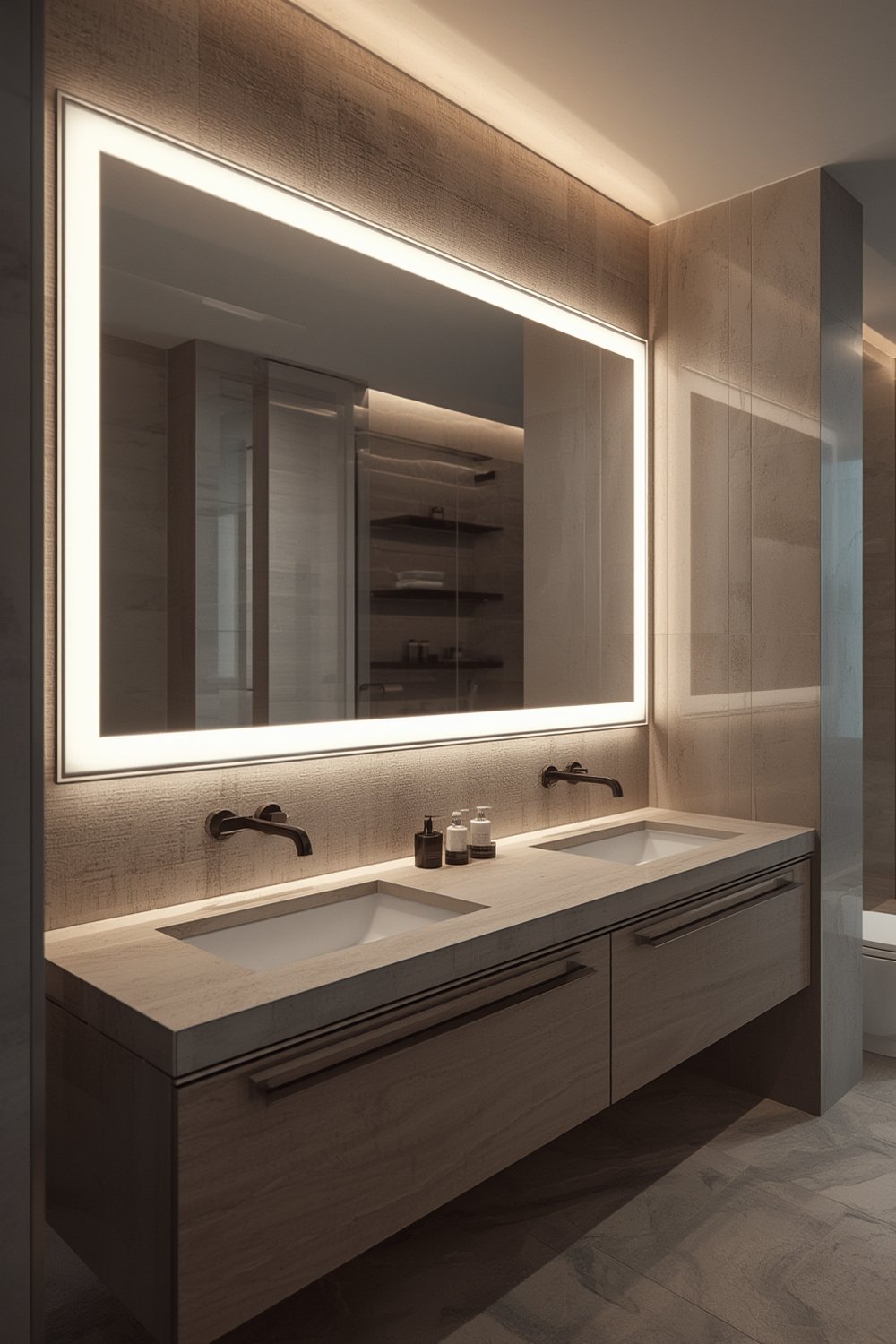
The rapid expansion of this market is no accident. Global sales of LED bathroom mirrors hit $2.45 billion in 2024, and are forecasted to double by 2033, riding a wave of smart home adoption and shrinking living spaces [DataIntelo]. In the US alone, over 1 million units sold in just the first half of 2024, thanks to a growing appetite for energy savings, touchless tech, and streamlined design [SHKL Bathroom Market Report].
Beyond the numbers, LED mirrors support daily routines with clearer light, energy-efficient performance, and options for everything from Bluetooth music playback to steam-free grooming mirrors. They blend form and function—matching the rise in smart and minimalist bathroom design—a trend echoed across residential and premium commercial settings.
Step-by-Step Guide: Choosing, Installing, and Optimizing LED Mirrors
Ready to upgrade your bathroom lighting? Follow these essential steps to ensure your LED mirror installation is smooth, safe, and worth your investment.
-
Identify Your Needs & Bathroom Size
Decide on size (single, double, or custom dimensions) based on your bathroom’s square footage, vanity width, and existing lighting. For smaller rooms, a frameless or slim LED mirror can maximize space. -
Choose Key Features
Popular options include backlighting (soft glow from behind), front-lit mirrors (for brighter tasks), anti-fog tech, touch controls, shaver sockets, built-in Bluetooth speakers, and magnification spots.
For energy efficiency, check if the mirror supports dimming or tunable white (2700K-6500K), which you can read more about in our adjustable color temperature guide. -
Plan Wiring & Power Supply
Most LED mirrors are hardwired, but plug-in options exist for rentals. Confirm the power requirements, circuit compatibility, and accessibility of a nearby electrical junction box. If unfamiliar with wiring, consult a licensed electrician. -
Installation Process
- Turn off the power at your circuit breaker.
- Use the manufacturer’s mounting template to align drill holes and anchors. Reinforce mounting on tile or drywall as needed.
- Wire the mirror according to the model’s manual—typically connecting black (live), white (neutral), and green (ground) wires.
- Mount the mirror securely; double-check for levelness and flush alignment.
- Restore power and test all smart functions, including light intensity, sensor controls, and anti-fog.
-
Optimize & Maintain
- Clean surfaces with non-abrasive glass cleaner only—avoid chemical splashes on exposed LEDs.
- Regularly check for flickering, heat issues, or moisture buildup, especially around anti-fog pads and wiring.
- Update connected features (Bluetooth, smart controls) as needed using the manufacturer’s app or Hub.
- For aesthetic upgrades, coordinate your mirror lighting with modern living room lighting or kitchen LED strips for a cohesive home style. Explore how smart LED strip lights can add dynamic color to accent your new mirror setup.

If you’re integrating other smart fixtures (like the Philips Hue indoor smart LED strips for vanity surrounds), ensure all your lighting is compatible with your chosen smart home ecosystem (Alexa, Google Home, Apple HomeKit, etc).
Advanced Analysis & Common Pitfalls in LED Mirror Bathroom Setups
While LED mirror bathroom products offer sleek looks and energy savings, not all installations are hassle-free. Here are the most common pitfalls—plus advanced details often overlooked in competing guides:
1. Market Gaps and Realistic Problems
- High Upfront Costs: Quality LED mirrors use premium glass and advanced lighting, which pushes prices higher than traditional vanity lights. Many buyers are surprised by the cost—and there’s little price drop expected soon [Wellfor Market Analysis].
- Unclear Technical Specs: Product pages often skip over key data like lumens output, CRI (color rendering index), or rated lifespan. This makes it hard to compare brightness or color accuracy between models.
- Wiring and Code Compliance: DIY-ers neglect local code requirements for bathroom zones (especially near water sources). Inadequate mounting or improper water sealing can lead to malfunction or voided warranties.
- Feature Overload or Redundancy: Not every bathroom benefits from premium features like music playback or smart home sync. Extra features add to complexity, cost, and potential tech breakdowns.
- Maintenance Neglect: Anti-fog coatings can wear off, LED strips may degrade with moisture, and water ingress can damage hidden electronics. Prolong lifespan with periodic checks and proper cleaning.
2. LED Mirror Types: Comparison Table
| LED Mirror Type | Main Features | Typical Use | Potential Issues |
|---|---|---|---|
| Backlit (Wall Glow) | Soft indirect light, aesthetics | Ambience, small bathroom illusion | Shadowing, less task lighting |
| Front-lit / Edge-lit | Direct facial lighting, precise grooming | Shaving, makeup, task work | Glare if poorly diffused, visible hotspots |
| Anti-fog / Steam Free | Built-in heating pad | Moist bathrooms, family homes | Increased power use, pad failures over time |
| Hybrid Smart Mirrors | Bluetooth, sensors, touch, voice control | Luxury homes, hotels, style-forward users | Complex setup, firmware updates required |
| Shaver/Magnifying Mirrors | Plug ports, close-up insert | Detail tasks, travel, households with shavers | Electrical code compliance, awkward placement |
3. Installation & Usage Pitfalls
- Skipping manual reading: Many problems stem from ignoring installation instructions or miswiring—always follow the provided guide [Cognitive Market Research].
- Poor wall surface reinforcements: Heavy framed mirrors may need extra brackets, especially if wall studs aren’t standard-spaced.
- Moisture seepage: Bathrooms with poor ventilation can lead to condensation behind the mirror, reducing LED lifespan.
- Over-brightness: Choosing a mirror with cool-white only output (6000K+) may make the bathroom feel clinical. Look for models with adjustable color temperatures instead, or supplement with tunable white bulbs.
- Feature compatibility: Not all LED mirrors play nicely with smart dimmers or third-party lighting control. Research before choosing mixed brands.
Conclusion
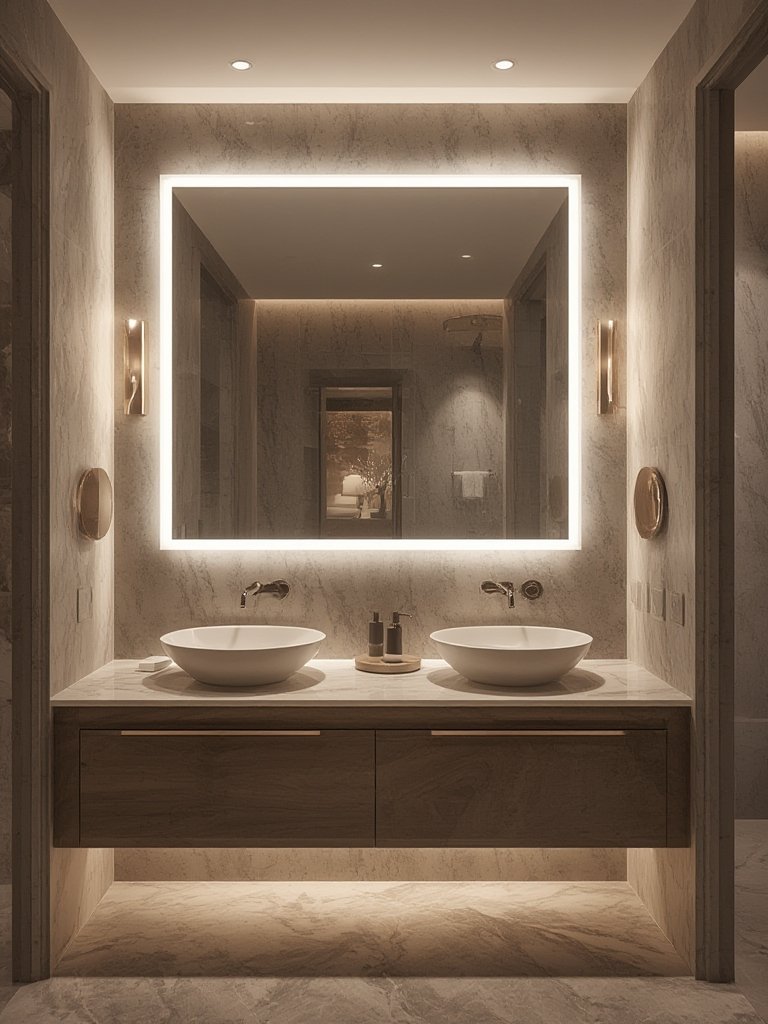
LED mirror bathroom products promise more than just modern looks—they’re an investment in energy savings, functional luxury, and smarter living. But success depends on careful measurement, informed feature selection, and following best-practice installation. For buyers ready to renovate or upgrade, start by reviewing your actual lighting needs and always check for compatibility with your home’s power and smart systems.
Need more ideas? Read our guides to modern floor lamps and bedroom mood lighting to coordinate style throughout your home. Take your first step to a better bathroom—shop, measure, and install your new LED mirror with confidence today.
FAQ
Are LED mirror bathroom products safe for wet environments?
Yes, as long as they’re installed according to manufacturer instructions and meet bathroom-rated IP standards for water and dust ingress. Always use a licensed electrician for hardwired setups and triple check code compliance, especially near showers or bathtubs.
How long do LED bathroom mirrors last?
Most quality models are rated for 30,000–50,000 hours, which translates to about 10–15 years of typical home use. Regularly cleaning and checking connections can extend lifespan.
Can I install an LED bathroom mirror myself?
Many models offer straightforward DIY installation if you’re comfortable with drilling, using anchors, and basic wiring. For electrical work near water sources, hiring a certified electrician is highly recommended.
What technical specs should I look for in an LED bathroom mirror?
Focus on lumen output (at least 600–1200 lm for tasks), color temperature range (ideally 3000K–6500K adjustable), energy efficiency (look for Energy Star or similar), anti-fog options, and connectivity (if you want smart features).
Do LED mirrors save energy compared to traditional vanity lighting?
Yes. LEDs use up to 75% less energy than incandescent or halogen bulbs, with minimal heat output. Additional savings come from features like motion sensors, dimmers, and automatic shut-off.