

LED lights for bedroom aesthetic have quickly become the new standard for anyone looking to transform a simple bedroom into a relaxing and visually stunning space. With smart control, energy savings, and a massive choice of colors, it’s never been easier to create exactly the mood you want—if you know what to expect and how to avoid the common pitfalls.
Key Takeaways
- Smart LED bedroom lighting is booming, with customizable features and high efficiency leading the charge in 2024.
- Installation is DIY-friendly, but avoiding mistakes with adhesives, power supplies, and connectivity is crucial for lasting results.
- Choosing the right product for your needs involves balancing cost, lifespan, color control, and safe installation practices.
- What Makes LED Bedroom Lighting Aesthetic?
- How to Set Up LED Lights for Bedroom Aesthetic: Step-By-Step
- Advanced Analysis & Common Pitfalls
- Conclusion
- Frequently Asked Questions
What Makes LED Bedroom Lighting Aesthetic?
LED lighting in bedrooms is more than just a trend—it’s a practical design evolution. The rise of tunable white lights, discreet LED strips, and full-spectrum mood lighting comes from the need to personalize spaces for relaxation, focus, or entertainment. Today’s systems support remote and app-based controls, voice commands, and precise color adjustment, all while cutting energy bills by up to 90% compared to incandescent bulbs.
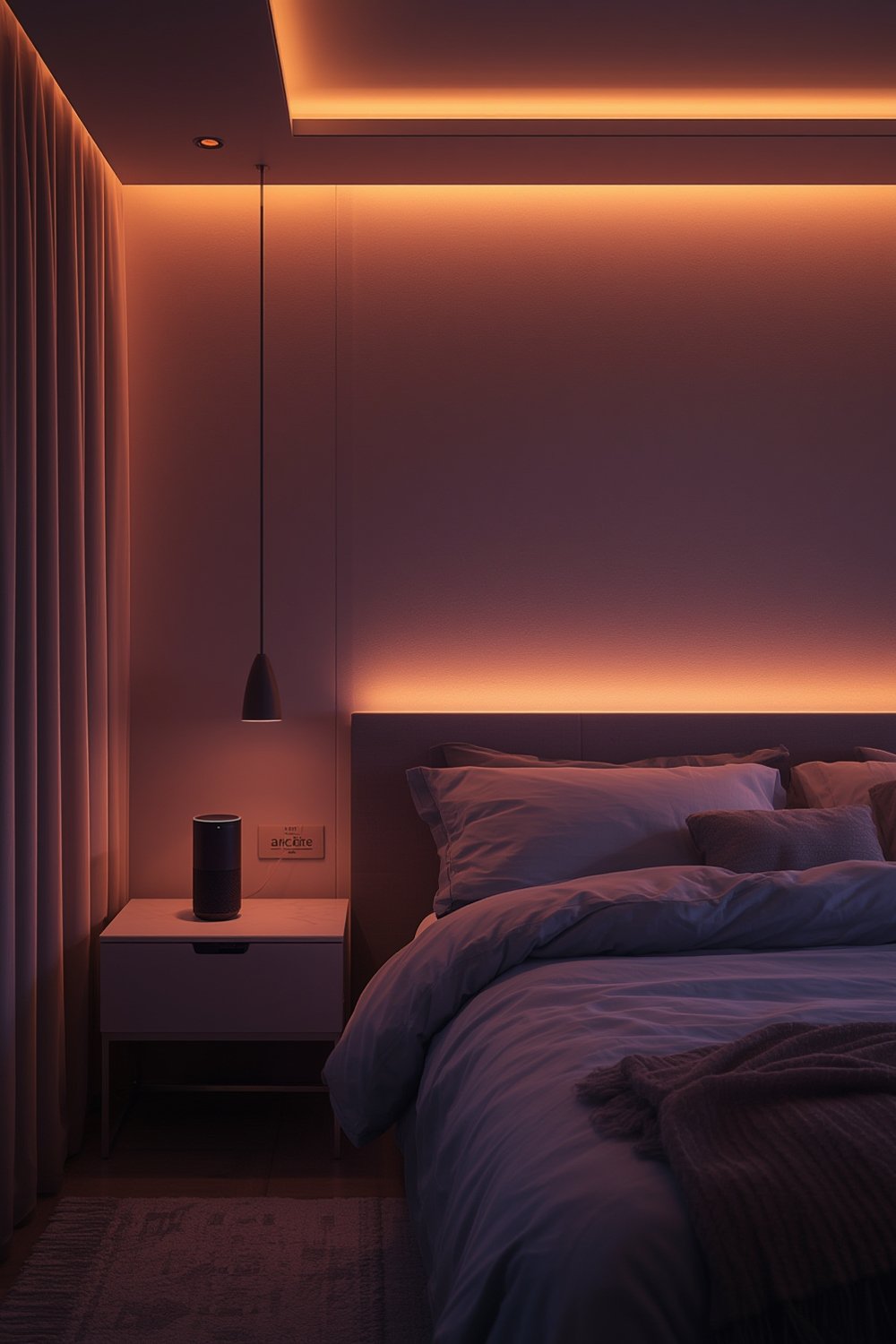
The value lies in both the design (clean, minimal installations like hidden strip lighting or accenting architectural lines) and the experience (creating comfort, aiding sleep, or even energizing your mornings through human-centric lighting). According to leading reports, 72% of homeowners now say lighting comfort is a top concern in bedroom makeovers. [source]
Demand for LED strip lights with app and voice control is surging. Smart bulbs and specialized fixtures, once expensive, have become affordable thanks to a 90% price drop in LEDs since 2010. [source]
How to Set Up LED Lights for Bedroom Aesthetic: Step-By-Step
Ready to upgrade your bedroom lighting? Here’s a zero-fluff, beginner-friendly process:
- Know your goal. Decide if you want hidden accent lighting, full mood color, or just soft, tunable white. This will determine the type and position of lights—strips for accents, smart bulbs for general lighting, projectors or specialty lamps for dramatic effects.
- Choose the right LED solution. For the best results, pick strips or bulbs with smart features like app or voice control. Consider color type (standard RGB, RGBIC for independent zones, or tunable white). For advanced users, LED neon flex strips offer a cleaner, spot-free look.
- Measure your space and map your lighting. Use a tape measure for walls, headboards, under beds, or behind shelves. Plan where you want ambient vs. task lighting.
- Prep and clean the surface thoroughly. Dust and oils prevent adhesives from sticking, which is a notorious pain point for LED strips in bedrooms.
- Install the lights. Dry-fit everything first. Then peel and stick (for strips), or mount bulbs and fixtures. Avoid sharp bends to prevent circuit damage. Add connectors at corners or for split runs.
- Connect power and sync apps. Plug into low-voltage adapters and follow manufacturer instructions to pair with apps or your smart home system. Double-check orientation before powering up.
- Set up scenes, brightness, and schedules. Use the app to save favorites—like reading, relaxation, or dawn simulation—or sync lights with music or TV for mood effects.
- Tweak and refine. Use dimmers, color temperature adjustment, or voice controls for final customization and day-to-night transitions. For extra ambiance, explore sunset lamps for golden-hour hues or galaxy projectors for starry night effects.
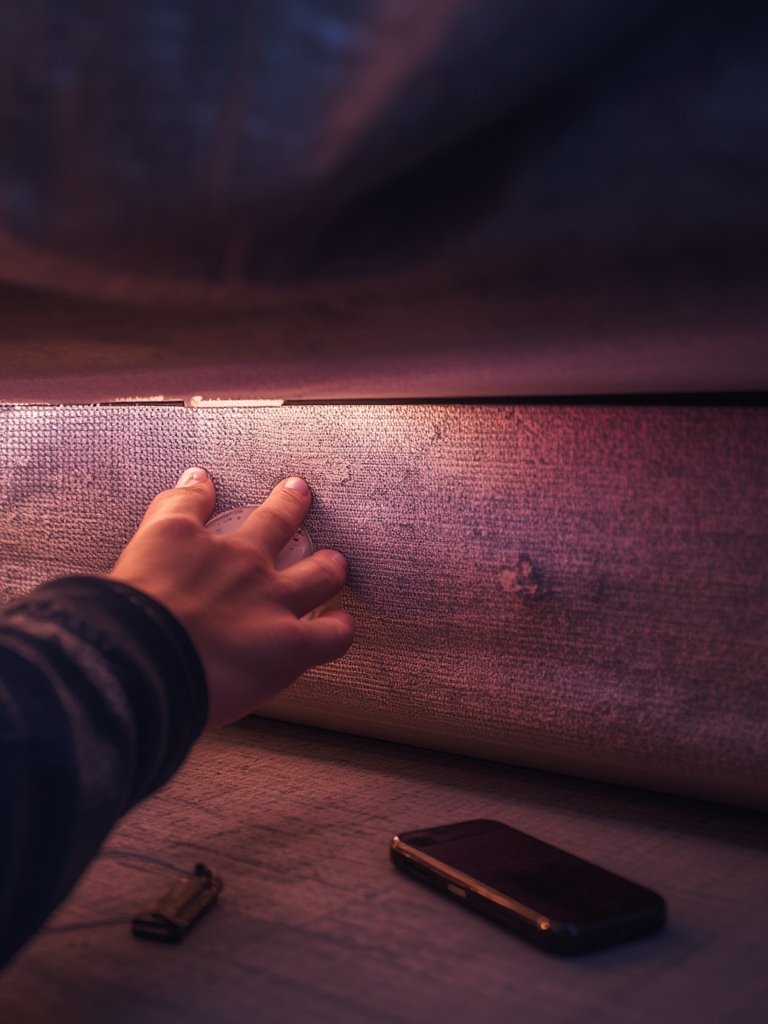
For more advanced inspiration (like smart recessed lights or integration with automation platforms), our smart recessed lighting guide breaks down retrofit options and app-based control in detail.
Advanced Analysis & Common Pitfalls
The LED lighting market for bedrooms is strong, but there are frequent issues that most tutorials skip:
- Poor adhesion: Dusty, oily, or textured walls often lead to strip lights peeling off within weeks. Always clean thoroughly before applying, and consider an extra adhesive backing if you live in a humid climate.
- Cheap power supplies: Overloading or mismatched adapters cause strip failure or flickering. Use a power supply that matches the voltage (usually 12V or 24V DC) and can handle the full wattage of your setup. Only purchase adapters with proper certifications.
- App and Wi-Fi issues: Many low-end kits have buggy apps, lag, or lose connection with your router or smart speaker. Stick to brands that regularly update their software and have good support.
- Color fading or inconsistency: Generic strips and bulbs often lose brightness or show patchy color after months, especially RGB products. Look for high CRI (color rendering index) specs, which ensure better vibrancy and color accuracy.
- Eye fatigue from flickering: Unsuitable cheap LEDs may flicker and cause headaches. Use strips and bulbs specifically rated as “flicker-free” for bedrooms.
- Lack of safety certification: Never overlook UL or similar safety listings and indoor usage ratings, especially around beds and curtains.
Here’s how core bedroom lighting options stack up on the metrics that matter:
| Solution | Effectiveness (Energy & Efficiency) | User Satisfaction | Customization |
|---|---|---|---|
| RGB LED Strips | High (up to 90% savings; low voltage; easy accenting)[source] | High (comfort and ambiance, per homeowner surveys[source]) | Excellent (full color, app/voice, schedules, hidden) |
| Traditional Fixtures (Incandescent/Halogen/CFL) | Low (higher wattage; becoming obsolete)[source] | Low (inflexible; declining popularity) | Very Limited (fixed white, no smart features) |
| Smart LED Bulbs | High (smart features; 80% energy savings)[source] | High (app/voice, automation) | High (color, schedules, sensors, human-centric tuning) |
Why Most Guides Miss These Points
Popular online guides focus on “cool” effects but gloss over deeper topics:
- Detailed Costs & Lifespan: Few articles give specifics. For perspective, a premium smart light strip (like the Philips Hue) costs $80–120 for 10ft, while basic RGB kits can be found for $15–$30 per roll. Expect lifespans of 15,000–25,000 hours for reputable brands.
- Installation Requirements: Kits vary—some need hardwiring, others are plug-and-play. Look for kits with UL approval for better safety. Connecting to voice assistants (like Alexa or Google Home) may require configuration or a bridge hub.
- Safety Guidelines: Always opt for low-voltage (12–24V DC) strips, especially for bedrooms. Avoid overloading circuits, and do not cut strips unless they’re marked as cuttable. For moisture-prone areas, check for at least an IP44 rating.
For more tips on color temperature and wellness lighting, see our Circadian Rhythm Lighting Guide.
Conclusion
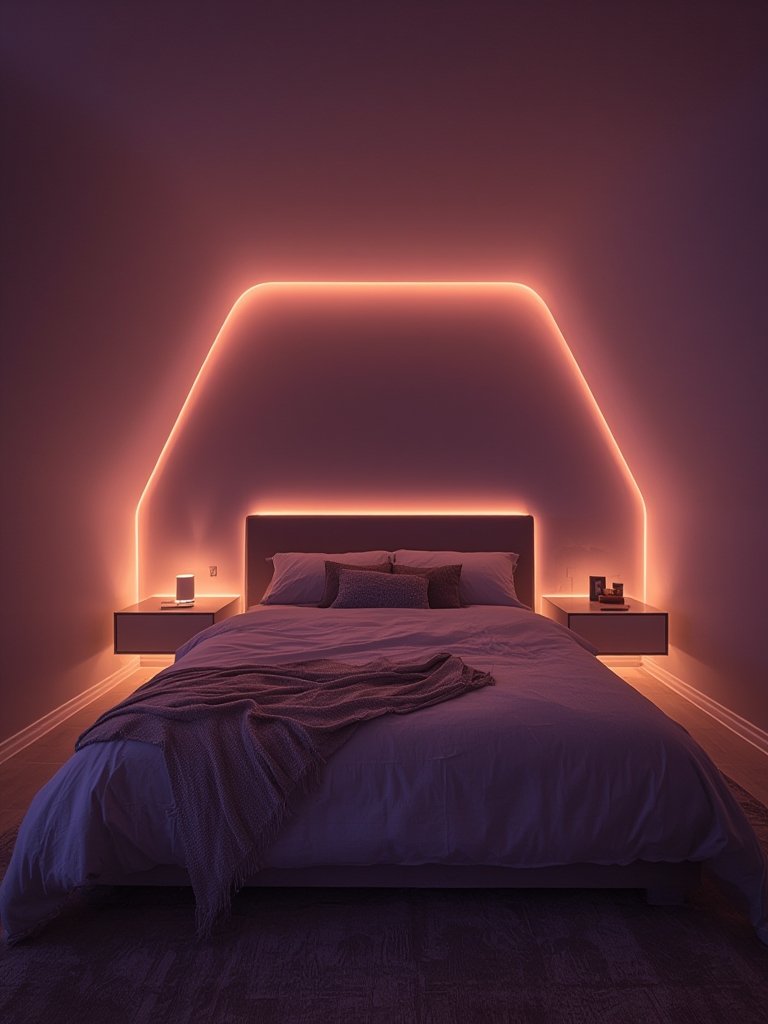
Smart, energy-efficient LED lights for bedroom aesthetic have changed how we approach comfort, ambiance, and personalization at home. While setup is more DIY-friendly than ever, real-world success comes down to planning your design, picking the right product, and carefully installing for durability and safety. Ready to transform your space? Explore our latest smart LED strip light recommendations to get started today!
Frequently Asked Questions
How much do LED strip lights for bedrooms cost?
Basic RGB strips can start at $15, while advanced smart models with app/voice features range from $30 to $120 or more for premium brands like Philips Hue. Consider the length, features, and whether power supplies and controllers are included.
What’s the best way to keep LED strips from falling off bedroom walls?
Clean the surface thoroughly first. For tricky areas or humid rooms, use extra adhesive such as double-sided foam tape or mounting clips. Ensure strips are rated for the surface type and room conditions.
Can I sync my LED bedroom lights with Alexa, Google Home, or Apple HomeKit?
Most leading smart LED strips and bulbs support voice control and automation with these platforms. Make sure your product lists compatibility and follow instructions for pairing and network setup. You may need a bridge or specific app.
Is it safe to install LED strips behind beds or around curtains?
As long as you use low-voltage, certified (UL or ETL) products and avoid overloading your adapters, this is generally safe. Do not pinch or sharply bend strips, and keep far from water sources unless the strip has a proper IP rating. Never trap strips between fabrics where heat can build up without ventilation.
How long do LED bedroom lights actually last?
Top-quality LED strips and bulbs typically last 15,000–25,000 hours, which covers many years of typical evening use. Lower-end models may see dimming or color loss sooner. Prioritize reputable brands for best results.
[…] you want to see how sunset lamps compare to other atmospheric lighting options, check out our LED lights for bedroom aesthetic guide for […]
[…] Budget options generally lack safe flicker metrics. For everyday home comfort, a small premium (like those paid for décor-focused LEDs) may offer genuine health benefits for sensitive […]
[…] To see how wall wash lighting influences ambiance, compare trends with other modern living room lighting ideas or explore how it differs from accent lighting found in mood-enhancing bedroom LEDs. […]