

LED Aluminum Profiles & Diffuser Channels have become the backbone of modern architectural lighting, delivering sleek lines and professional light diffusion in homes and commercial spaces alike. Whether you’re aiming for a hidden cove glow or seamless under-cabinet task lighting, knowing what drives this market — and how to tackle real-world installation challenges — can mean the difference between stunning results or costly frustration.
Key Takeaways
- Global demand for LED aluminum profiles is growing steadily (4.5–9.5% CAGR), fueled by residential projects seeking energy-efficient, minimal lighting.
- Proper installation and material choice prevent common issues such as hotspots, glare, and premature wear.
- Advanced planning and knowledge of diffuser options are essential for both aesthetics and longevity.
- What Are LED Aluminum Profiles & Diffuser Channels?
- How to Plan and Install LED Aluminum Profiles (Step-by-Step Guide)
- Advanced Analysis & Common Pitfalls
- Conclusion
- FAQ
What Are LED Aluminum Profiles & Diffuser Channels?
LED aluminum profiles, sometimes called channels or extrusions, are purpose-built housings for LED strip lights. They protect the strip, act as a heat sink, and — when paired with the right diffuser — create smooth, even lighting lines without visible LED dots. Diffuser channels are snap-in covers made of acrylic or polycarbonate that scatter light for glare-free results. Together, they define the finished look (and performance) of everything from under-cabinet lighting to modern ceiling slots and wall grazers.
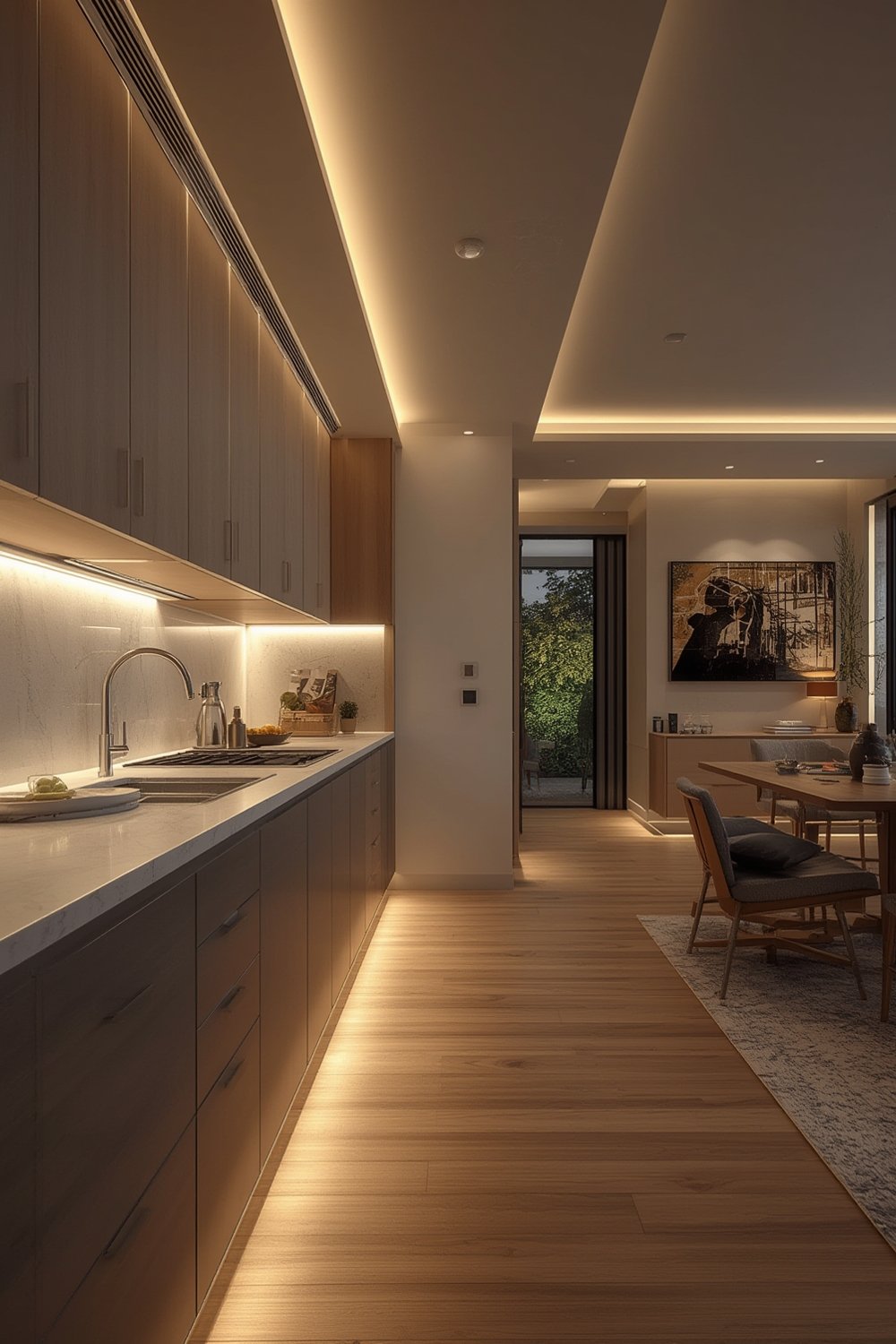
The adoption of aluminum profiles has skyrocketed since 2020, with industry reports estimating the 2024 global market value in the billions. Aluminum dominates (≈65% of all LED profiles), valued for its superior cooling, robust finish, and architectural appeal. Unlike cheap plastic channels, quality anodized aluminum profiles extend strip lifespan and enable complex custom runs, making them standard for professionals and ambitious homeowners.
Diffusers upgrade aesthetics. They diffuse individual LED points, soften harsh lighting, and protect the strip from dust or splashes — crucial for kitchens and bathrooms. With options like “opal,” “clear,” or “frosted,” you control the look and light quality. Selecting the right combination is essential, not only for a finished appearance but also for the durability and functionality of your lighting project.
How to Plan and Install LED Aluminum Profiles (Step-by-Step Guide)
Installing LED aluminum profiles and diffuser channels is a high-precision process, but it’s accessible to well-prepared DIYers and pros alike. Here’s how to avoid the pitfalls that fuel most negative reviews:
Step 1: Design and Layout
- Map out every lighting run on your ceiling, wall, or cabinet. Double-check for obstructions (pipes, joists, hinges).
- Sketch wire entry points to keep cables hidden — especially in open kitchens and living rooms.
- Decide between surface-mount (easier), recessed (seamless but complex), or corner profiles (for angled light) by location — see this under-cabinet lighting guide for practical comparisons.
Step 2: Choosing the Right Profile and Diffuser
- For visible locations, opt for anodized aluminum and opal diffusers to prevent yellowing (industry best practices).
- In kitchens or damp areas, check for no lower than an IP44 system rating — essential for safety and durability.
- Match channel depth with LED density & desired smoothness: shallow with low-density = dots; deep with high-density = seamless.
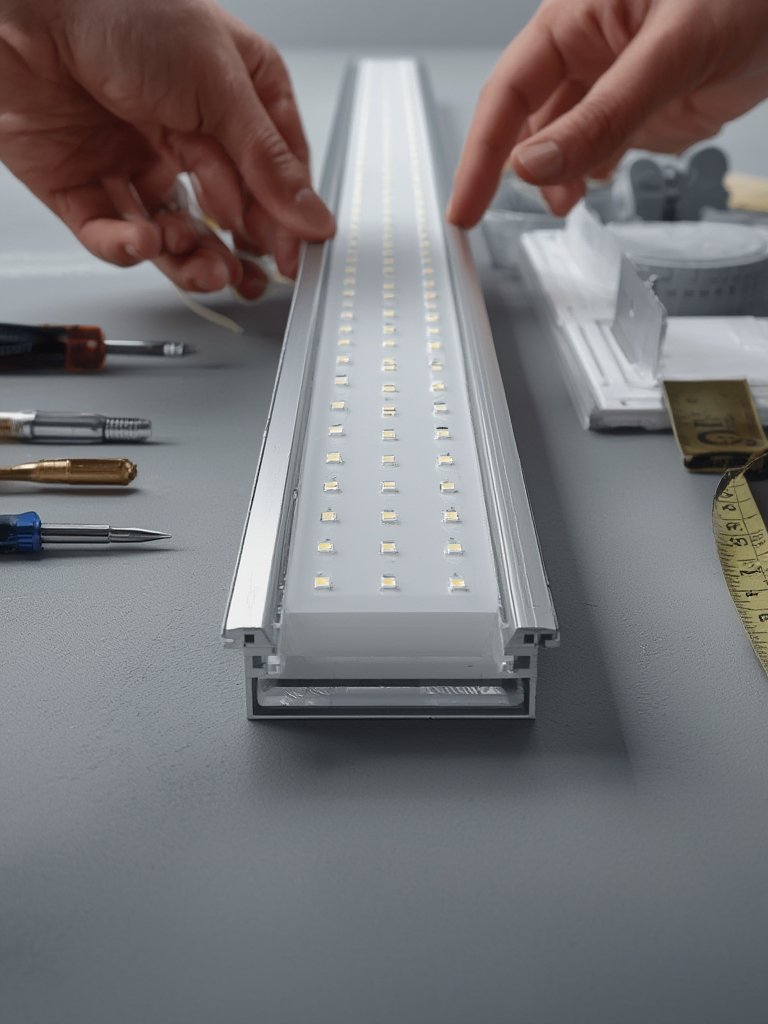
Step 3: Cutting and Mounting
- Cut profiles using a saw suitable for non-ferrous metals. Always deburr to prevent wire damage and uneven diffuser fits.
- If you’re joining corners, use a miter box for perfect 45-degree joints and test-fit every section before permanent fastening.
- Clean surfaces with isopropyl alcohol before mounting — especially under cabinets, where grease sabotages adhesives and screws.
- Install with supplied clips/screws; never rely on adhesive alone for overhead or ceiling runs (fall risk).
Step 4: Laying LED Strips and Wiring
- Cut LED strips at marked segments only.
- Press down firmly in the channel to ensure full contact for cooling. Overheating is a top cause of complaints — see how this impacts long-term outlooks in the pitfalls section.
- Solder or use approved connectors. Daisy-chain with caution, keeping runs within the manufacturer’s current limits to prevent voltage drop or dim ends.
- Route wires to a dry, accessible driver location. In kitchens, avoid routing wires near steam or high-moisture areas unless using IP65 systems.
Step 5: Final Assembly & Testing
- Test every LED run before closing the diffuser. Watch for dark spots between joints and hotspots under reflective countertops.
- Slide in or snap the diffuser; then add end caps for a finished look and better dust protection. If required, seal with neutral-cure silicone in wet areas.
- Label or photograph hidden wire routes for future troubleshooting or maintenance.
For intricate corners or custom lengths, blending in COB LED tape can also improve uniformity without deep channels.
Advanced Analysis & Common Pitfalls
Despite the technical advantages of LED aluminum profiles, buyers and installers often fall victim to predictable mistakes. Knowing these risks — and how competing guides gloss over them — saves money and aggravation.
Biggest User Complaints (What Can Go Wrong?)
| Complaint | Main Cause | Prevention/Tips |
|---|---|---|
| Hotspots and visible LED dots | Shallow channel depth, low-density strips, clear diffusers | Opt for deeper channels (≥10mm), high-LED-density tape (>120 LEDs/m), opal/frosted covers |
| Gaps or inconsistent lighting at corners | Poor mitering, lack of connectors, imprecise measurements | Use a miter box or precision saw, dry-fit before mounting, use compatible joining accessories |
| Adhesion failures (falling profiles) | Grease/dust on mounting surface, weak adhesives, no mechanical fixings | Clean with isopropyl alcohol, use screws/clips, only use tape for short, light runs |
| Yellowing/cracking of diffusers | Cheap plastic, no UV stabilization, high-temp locations | Purchase only UV-stabilized PMMA or PC covers, keep away from strong direct sunlight |
| Overheating and strip failure | Insufficient aluminum mass, poor air circulation, overpowered strips | Never overload with high-wattage tapes, choose thick, anodized aluminum channels |
| Electrical safety risks | Improper installation, ignoring codes, wrong IP rating for wet areas | Consult licensed electrician, confirm ratings meet zone requirements, inspect after install |
What Other Guides Often Miss
- Exactly how diffuser depth and LED spacing combine for dotted (or flawless) light lines. Use ≥10mm profile with 120–180 LEDs/m as a base rule of thumb for direct-view applications.
- The true cost, both for DIY materials and pro install (ranging from $100–$500 per meter for finished projects).
- How corner profiles can control glare and beam angle, especially under cabinets or along ceiling junctions.
- Serviceability — making sure you can service, replace, or upgrade strips and drivers without damaging finished drywall or cabinets.
- Voltage drop risks in long runs, emphasizing the need for correct wire gauge and the differences between constant-voltage and constant-current setups.
For in-depth comparison of smart strip lights and integrations for modern homes, check our smart LED strip lights guide.
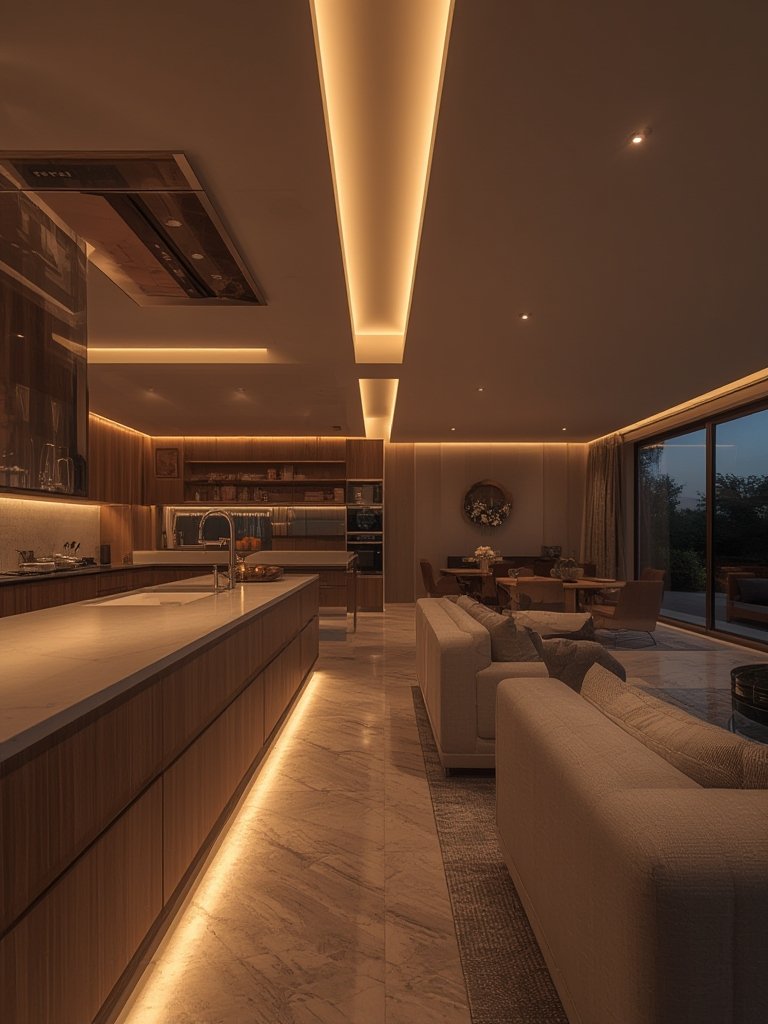
Want inspiration for enhancing room ambiance? Our LED lights for bedroom aesthetics highlights design tips and pitfalls to avoid.
For advanced users interested in color adjustment and dynamic scenes, review adjustable color temperature solutions before selecting strips and controls.
Industry-wide, you’ll find more details in market research reports and manufacturer guidelines.
Conclusion
LED aluminum profiles and diffuser channels represent a rapidly expanding segment of the lighting world, delivering modern aesthetics and professional-grade performance. As the 2024 market grows, understanding best practices — from profile selection to step-by-step install and maintenance — separates flawless lighting from frequent headaches. Careful planning, material quality, and realistic assessment of installation complexity will help you get the best value and result from any LED Aluminum Profiles & Diffuser Channels upgrade. Invest in the right materials, avoid the common traps, and you’ll enjoy seamless, efficient lighting that lasts for years.
Ready to plan your next linear lighting project? Explore our guides or contact a specialist for tailored advice and product selection — or dive into our COB strip installation guide for even smoother results.
FAQ
What makes aluminum profiles better than plastic LED channels?
Aluminum profiles provide far superior heat dissipation, stronger mechanical protection, and better long-term appearance, especially in damp or demanding locations like kitchens. They tend to last longer and help avoid LED strip overheating.
How do I select the right diffuser type to avoid hotspots?
Choose an opal diffuser with a deep profile (≥10mm) and a high-density LED strip (120–180 LEDs/m or more). This combination gives the most uniform, dot-free illumination in direct-view areas.
Can I install LED aluminum profiles myself?
Many homeowners successfully DIY under-cabinet or surface-mount profiles. Recessed ceiling installs or electrical upgrades often require pro help for excellent results and code compliance.
What is the typical lifespan of a well-installed LED aluminum profile system?
When installed correctly with quality materials, LED aluminum profile systems regularly exceed 8–10 years of reliable service, barring extreme misuse or environmental damage.
Are there special safety or electrical codes I need to follow?
Yes, always follow local electrical codes. Pay attention to IP ratings (especially for wet areas), use UL- or CE-certified strips and drivers, and consult an electrician if unsure.
[…] Test Flicker at Home Use slow-motion video, waving a pen, or watching ceiling fans to reveal visible flicker. If you feel discomfort, try swapping bulbs and retesting. For more on home testing, check this practical lighting guide. […]
[…] For dark garages with high ceilings or aging fixtures, consider plug-in shop light installations with diffuser channels to avoid harsh glare and visible LED dots. Full instructions are available in our LED aluminum profiles installation guide. […]
[…] For large art, consider LED profiles for even wall washes. […]