

flicker-free LED bulbs are gaining attention among consumers and workplace designers who want to reduce headaches, eyestrain, and productivity loss caused by invisible light flicker. In 2024, rapid scientific advances and changing standards mean it’s easier than ever to get LED bulbs that protect your eyes – but also easier to get confused by misleading claims or miss critical pitfalls.
Key Takeaways
- Scientific studies confirm low-frequency LED flicker (<150 Hz) causes eyestrain, headaches, and reduced productivity, especially for people with migraine.
- Only bulbs explicitly compliant with IEEE 1789-2015 or ENERGY STAR are truly flicker-free; many “no flicker” claims are unverified.
- Check for limitations: real-world office setups, dimmer compatibility, and bulb lifespan with flicker-free tech matter for long-term satisfaction.
- What Is Flicker-Free LED and Why Does It Matter?
- How to Select Flicker-Free LED Bulbs: A Step-by-Step Guide
- Advanced Analysis & Common Pitfalls
- Conclusion
- FAQs
What Is Flicker-Free LED and Why Does It Matter?
“Flicker-free” LED bulbs are designed to minimize or eliminate rapid, invisible light fluctuations that can trigger eyestrain, headaches, migraines, and even cognitive fatigue—especially during long hours under artificial lighting. Unlike legacy fluorescent or low-cost LED bulbs that usually flicker at 100-120 Hz (twice per electrical cycle), flicker-free bulbs smooth out light output using high-quality electronics—often raising modulation frequencies to 1,000 Hz or more, or using advanced direct current (DC) methods.

Why does this matter? According to a 2024 clinical study by Miller et al., people with a history of migraine were 41% more likely to get headaches after exposure to architectural lighting with flicker, versus just 8% of controls. Notably, even lower-frequency flicker that’s barely perceptible to most people causes ocular micro-adjustments, blurred vision, and mental distraction. The IEEE 1789-2015 standard and ENERGY STAR have both established flicker thresholds where health risks become significant. In office settings, about 8% of workers using old-style flickering bulbs average more than two headache days per week, versus none for flicker-free systems.
While not everyone is equally sensitive, the research makes clear: flicker isn’t just a technical annoyance. It directly impacts comfort, wellness, and how well teams perform. That’s why upgrading to truly flicker-free lighting is now a front-line issue for offices, schools, and even home workspaces.
How to Select Flicker-Free LED Bulbs: A Step-by-Step Guide
Making the switch to flicker-free LED bulbs isn’t as simple as grabbing any LED labeled “flicker-free.” Here’s a practical, science-backed process you can use for offices or at home.
1. Identify “True” Flicker-Free Bulbs
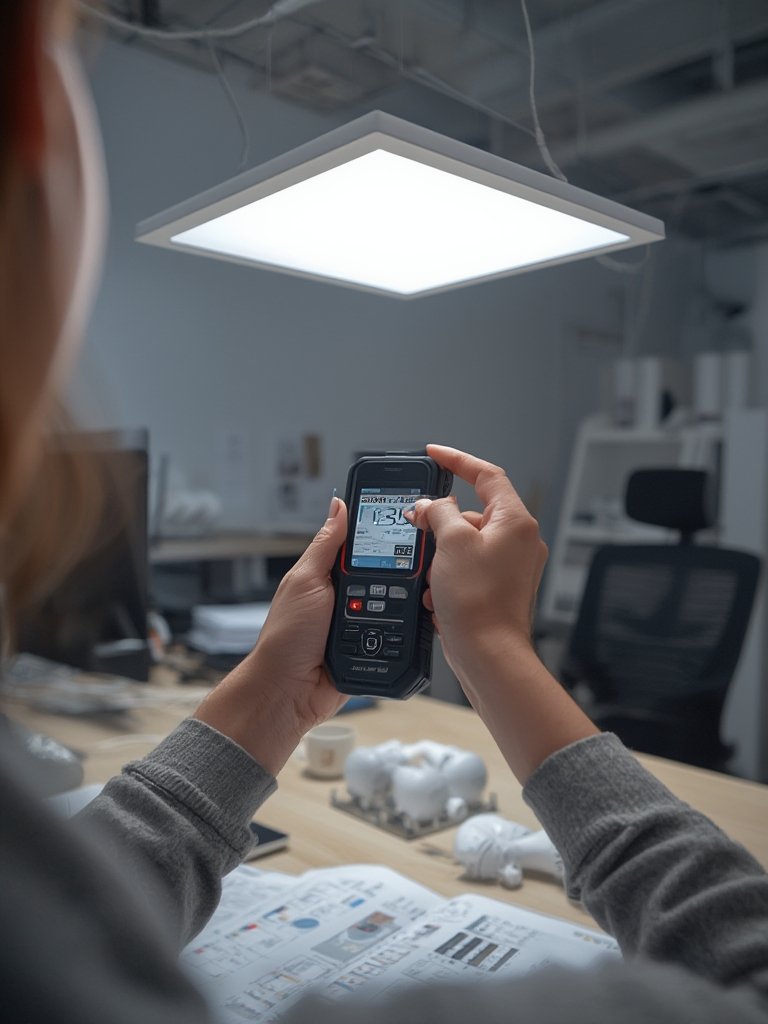
Look for explicit certification or compliance. The gold standards are IEEE 1789-2015 and ENERGY STAR. Bulbs with these certifications are tested for extremely low flicker—often limiting flicker percentage and setting minimum modulation frequencies. Steer clear of ambiguous claims like “no visible flicker” or “comfortable on the eyes” without test data. Only full documentation provides peace of mind.
2. Evaluate CRI, Blue Light, and Spectral Quality
Low flicker isn’t the full story. Scientific reviews now recommend a high Color Rendering Index (CRI ≥90) for realistic color and less eye stress. Some advanced bulbs combine flicker-free design with adjustable color temperature (warm to cool white), blue light control, and glare management. Many workplace buyers choose tunable bulbs or circadian rhythm LEDs for this reason.
3. Check Dimmer Compatibility and Real-World Usage
Not all flicker-free LEDs perform well with dimmers. Some bulbs flicker at lower brightness even if they’re perfect at full power. Look for compatibility charts, or select smart dimmers made for LEDs. If you retrofit, multi-bulb office circuits with multiple dimmers or motion sensors may also introduce flicker.
4. Assess Maintenance, Brand, and Warranties
Longer warranties and reputable brands often signal better design and less performance drop-off as bulbs age. Flicker characteristics can worsen as internal drivers wear out—check lamp life ratings and reviews for real-world longevity in your lighting setup. If replacing strips, consider COB LED strip solutions for continuous, dot-free illumination.
5. Stay Updated on Innovations
Emerging tech, such as OLED “Eyecare” panels and “dim-to-warm” bulbs, promise even better comfort but are less common in 2024. Double-check that new technologies offer published flicker and blue light data—it’s not automatic.
Advanced Analysis & Common Pitfalls
Expert buyers know that flicker-free LED lighting isn’t failproof. Here’s what goes wrong and how to avoid trouble:
Common Pitfalls
| Issue | Why It’s a Problem | How to Avoid |
|---|---|---|
| False Flicker-Free Claims | Many products advertise “no flicker” with no proof or testing data. This is especially common online in 2024. | Request documentation; prioritize bulbs with third-party certification (IEEE 1789-2015, ENERGY STAR). |
| Low-Frequency Flicker with Dimming | Some LEDs are flicker-free at full power but flicker when dimmed or when used with older dimmer switches. | Use compatible smart dimmers. Alternatively, select dim-to-warm bulbs verified for low flicker across brightness levels. See our guide to warm dimming LED bulbs. |
| Hidden Eye Strain from High-Frequency Flicker | Even imperceptible flicker (80–1250 Hz) can cause discomfort or reduced productivity over time, especially for migraine sufferers. | Look for actual flicker frequency specifications; the higher, the better. Bulbs at 1000 Hz+ are safest; those under 120 Hz should be avoided in offices. |
| Lifespan and Performance Degradation | LED drivers can degrade, potentially increasing flicker after months or years, even if lab-new bulbs passed initial tests. | Purchase from reputable brands with multi-year warranties. Regularly spot-check lighting, especially in mission-critical settings like offices or studios. |
| Incompatibility with Smart Controls and Dimmers | Many smart switches, motion sensors, or dimmers not designed for LED can introduce flicker. | Choose dimmers specifically rated for flicker-free LED use. |
What Current Data Doesn’t Tell You
- No 2024-verified industry adoption rates: We still lack up-to-date reports on what percentage of bulbs in US/EU stores are fully flicker-free.
- No independent brand comparisons (2024): No published lab data directly rank energy efficiency, lumens, or spectral quality across major brands for flicker-free lines this year.
- Limited consumer pain point surveys: While forum reviews often mention headaches and eye fatigue, verified customer-level complaints for 2024-linked bulbs are not comprehensively published.
- Average pricing data missing: Many retailers do not clearly identify which bulbs are truly certified flicker-free, making price comparisons unreliable.
For specialized interior applications—kitchen counter lighting, under-cabinet installs, or accent strips—always check that the product offers published flicker data if comfort is a priority. Upgrading your main fixture? Assess alternatives like modern LED mirrors or floor lamps with integrated flicker-free LEDs.

Conclusion
The 2024 evidence is clear: low-quality lighting with visible or invisible flicker has real, measurable effects on eye health and productivity. For anyone working in an office, studying at home, or simply wanting comfortable lighting, it pays to pick flicker-free LED bulbs certified to modern standards like IEEE 1789-2015. Demand documentation, think about dimmer compatibility, and don’t be afraid to challenge manufacturers on their claims. For practical LED selection strategies and smarter upgrades, explore more guides at Roomluminate.
Ready to upgrade? Make eye comfort your next lighting priority this year.
FAQs
How do I know if an LED bulb is truly flicker-free?
Look for third-party certification such as IEEE 1789-2015 or ENERGY STAR compliance. Manufacturer claims without documentation are unreliable. You can also use a smartphone’s slow-motion video to visually check for flicker bands—though some high-frequency flicker will still escape this test.
Can flicker-free LED bulbs help with migraines and eyestrain?
Yes. Scientific studies in 2024 confirmed that flicker at 100–120 Hz increases migraine risk and eyestrain. Flicker-free bulbs dramatically reduce these symptoms for most people—especially those sensitive to light.
Will flicker-free bulbs work with regular dimmers?
Not always. Many standard dimmers, especially older ones, can cause most LEDs to flicker at low settings. Choose dimmers designed specifically for LED bulbs or opt for switches verified for flicker-free operation. Explore our dimmer compatibility guide for more tips.
Are flicker-free bulbs more expensive, and do they last as long?
Pricing varies between brands and features, but truly certified flicker-free bulbs often cost slightly more due to better electronics. Lifespan is generally similar to standard LEDs, but performance depends on build quality. Prioritize brands with strong warranties.
What other lighting upgrades help reduce eye strain?
Improving overall lighting quality makes a big difference: use bulbs with high CRI (≥90), avoid harsh glare, and consider adjustable color temperature for changing tasks. For specialized needs, explore dim-to-warm bulbs or circadian lighting systems.