

dim to warm bulbs are redefining cozy lighting in homes and commercial spaces by offering the warmth and ambiance of classic incandescent lighting with the efficiency and flexibility of modern LEDs. If you’re considering an upgrade or searching for realistic insights into this fast-evolving lighting trend, this guide covers everything you need to know about features, pitfalls, and actionable steps—based strictly on the latest research.
Key Takeaways
- Dim to warm bulbs simulate natural dimming, making rooms feel cozier in the evening without sacrificing daytime brightness.
- Most common pain points are flickering with incompatible dimmer switches, lack of technical specs for buyers, and limited data on energy savings.
- Choosing compatible dimmers and prioritizing high color rendering are essential for achieving the best results.
- What Are Dim to Warm Bulbs and Why Choose Them?
- Step-by-Step Guide: How to Upgrade to Dim to Warm Bulbs
- Advanced Analysis & Common Pitfalls
- Conclusion
- Frequently Asked Questions
What Are Dim to Warm Bulbs and Why Choose Them?
Dim to warm bulbs, also known as warm dim or dim-to-warm LEDs, are innovative light bulbs that automatically lower their color temperature as you dim them. This means you get a bright, energizing light during the day (around 3000K), and as you dim, the light gradually turns warmer and softer (down to 2200K or even 1800K), closely mimicking the feel of traditional incandescent bulbs or candlelight. The goal is to combine the best aspects of energy-efficient LED lighting with the cozy ambiance that people love for evenings, dining, or relaxing spaces.
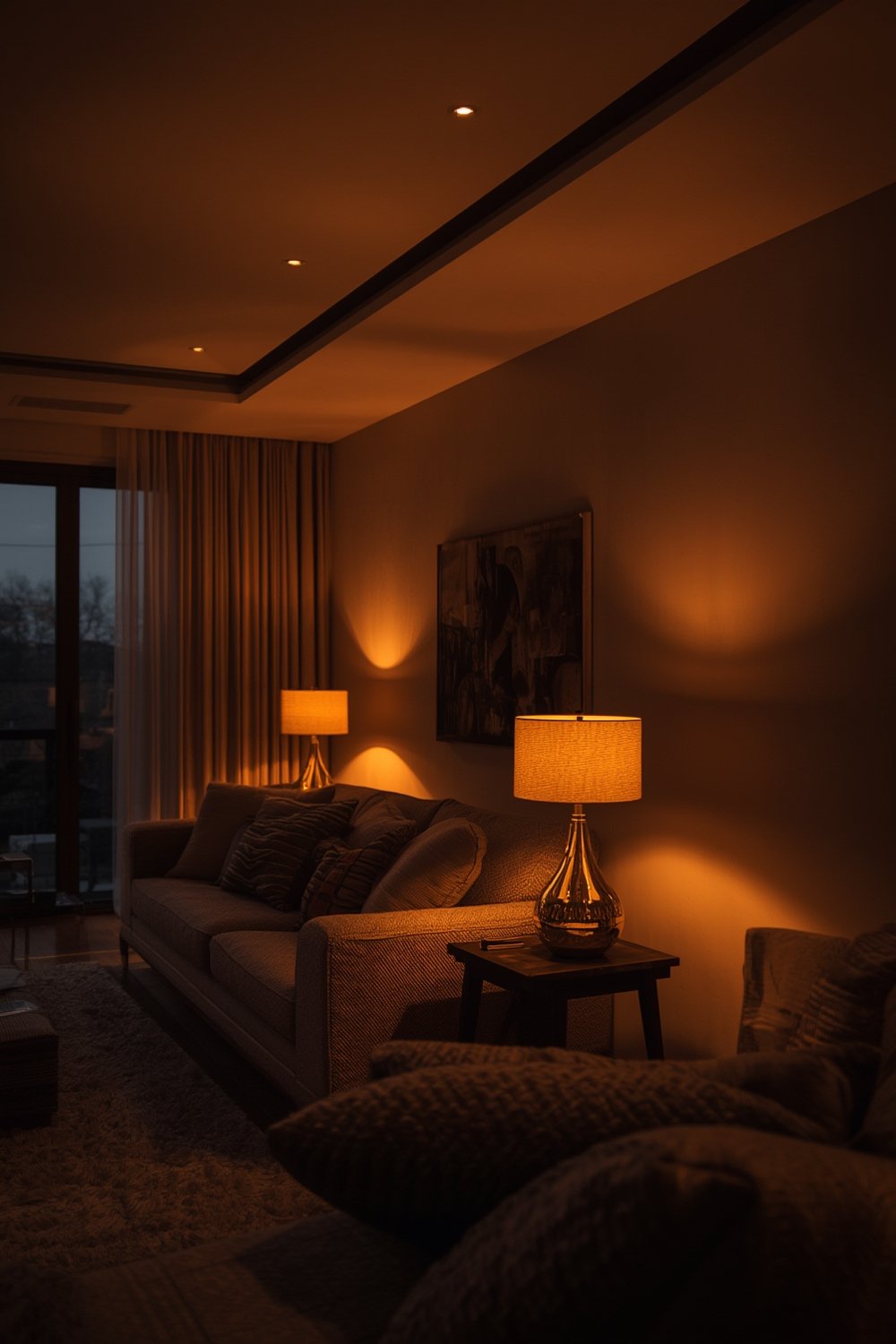
This technology addresses the key complaint users have with standard dimmable LEDs—namely, that simply lowering brightness doesn’t change the light’s color. With dim to warm bulbs, mood lighting becomes dynamic and natural, supporting activities and wellbeing across the day.
The rise of more affordable, high-performance LEDs in the last few years has pushed dim to warm capabilities into mainstream availability, especially as people seek better sleep and a more relaxing home environment. According to recent market reports, the residential segment dominates the adoption of dimmable LED bulbs, with commercial spaces like restaurants and hotels quickly following for ambience and guest comfort.
For more on how color-tuning and dynamic lighting is shaping modern interiors, see our guides to adjustable color temperature lighting and circadian rhythm lighting solutions.
Step-by-Step Guide: How to Upgrade to Dim to Warm Bulbs
-
Assess Your Existing Fixtures and Dimmers
Start by checking which light fixtures in your home or space are suitable for LED bulbs and, specifically, for dimmable options. Most dim to warm bulbs are compatible with standard sockets (E26/E27), but recessed lights and smart fixtures may require specialized models.Next, examine your dimmer switches. Many flicker problems and performance issues occur when legacy dimmers (designed for incandescent bulbs) don’t match LED technology. Look for LED-compatible or universal dimmers for best results. Find more on this issue at best smart dimmer switches.
-
Choose the Bulb Type and Color Range
Decide if you want classic A19 bulbs, recessed downlights, smart bulbs, or decorative filament styles. Select products advertised as “dim to warm,” “warm dim,” or “tunable white” with a range like 2200K–3000K. For ultra-cozy spaces (bedrooms, dens), aim for bulbs that dip to 2200K at their warmest.Not sure which fixture to choose for hard-to-light areas? Check our guide to LED step lighting for ideas.
-
Install and Test for Flicker and Smooth Dimming
After installing, gradually dim the lights and look for smooth shifts in color and brightness. If you notice flickering, color jumps, or buzzing sounds, your dimmer may not be fully compatible. Consider upgrading the dimmer or selecting bulbs specifically listed for compatibility. -
Optimize Placement for Function and Mood
Use dim to warm bulbs in living rooms, bedrooms, and dining areas where evening coziness matters. For kitchens or desks, you might prefer bulbs that can stay cooler (whiter) for task lighting. Layer with accent lighting for full-room ambience. See inspirations in our roundup of modern living room lighting ideas. -
Pair With Smart Controls (Optional)
For remote tuning and schedules, choose dim to warm smart bulbs compatible with smart home systems, or use smart dimmers. This can automate transitions for sunset routines or bedtime.Get more on color-control and app-enabled options in our smart recessed LED lighting guide.

Remember, upgrading just a few high-impact zones—like bedside lamps, living room accents, or reading nooks—can make a noticeable difference in comfort without the noise or hassle of rewiring your entire home.
For cordless and flexible ambient lighting options, explore our reviews on portable LED table lamps and motion night lights.
Advanced Analysis & Common Pitfalls
While dim to warm bulbs promise major comfort upgrades, several real problems and knowledge gaps can catch buyers by surprise. Below, we summarize issues and compare features where possible:
| Feature | Dim to Warm Bulbs | Standard Dimmable LED Bulbs |
|---|---|---|
| Color Temperature Shift | Yes (usually 3000K–2200K) | No (stays at fixed color temperature) |
| Energy Consumption | High efficiency (varies, details lacking) | High efficiency |
| Light Quality (CRI) | Higher quality possible, but specs rarely listed | Standard LEDs range widely; CRI often moderate to high |
| Flicker Issues | Yes, if used with incompatible dimmers | Yes, same risk applies |
| Warmest Color | 2200K or lower possible (candlelight) | Typically 2700K–3000K |
| Lifespan | Long (claims up to 25,000h), but data specific to dim to warm is limited | Long (often 15,000–25,000h+) |
| Smart Compatibility | Available, but not universal | Available widely |
- Compatibility Problems: By far the biggest pain point is flicker or poor dimming performance with older or non-LED-compatible dimmer switches. Most complaints in user reviews—when present—trace back to this setup mismatch according to market research data.
- User Feedback Gaps: Detailed negative reviews of 2200K-specific dim to warm bulbs are rare, making it hard to compare brands or identify superior models. Most reports are anecdotal or focus on flicker and reliability issues common to all dimmable LEDs.
- Technical Spec Transparency: Key specs like CRI (Color Rendering Index), color temperature range, and smoothness of the dimming curve are still not standardized or clearly published across the market. This makes selecting “the best” bulb more difficult.
- Cost Irregularities: There are no standardized cost savings or payback periods specifically for dim to warm bulbs, although general LED upgrades typically cut energy costs compared to incandescents (see global market data).
- Content Gaps: Many top-ranking articles only discuss general dimmable LEDs, leaving unanswered questions about adoption rates, 2200K version user pain points, and performance specs. For a detailed look at sleep-friendly options and night time ambience, check our sleep bulb guide.

If you’re rehabbing an older home or retrofitting commercial fixtures, anticipate extra troubleshooting for dimmer compatibility and don’t expect every bulb to work the same way out-of-the-box.
See related pitfalls in smart waifer downlight upgrades in our retrofitting smart recessed lights guide.
Conclusion
Dim to warm bulbs provide a simple way to bring flexible, natural-feeling light into your home while saving energy. Despite a lack of detailed market statistics, technical specs, and certain user review data, the improvements over standard LEDs are clear: better ambiance and a more adaptive lighting experience, especially for bedrooms and living rooms. To get the most from your dim to warm bulbs, match them with compatible dimmers, look for the broadest warm temperature range, and test before committing house-wide. Ready to get started? Upgrade a room today and see the difference for yourself.
Need more ideas on ambient lighting? Read our guides to bedroom LED aesthetics or modern living room lighting.
Frequently Asked Questions
Do dim to warm bulbs use more energy than standard dimmable LEDs?
No, both are designed for efficiency. Dim to warm bulbs modify color as they’re dimmed but power consumption is similar to ordinary LED bulbs, especially compared to incandescents.
Why do my new dim to warm bulbs flicker?
The most common cause is incompatibility with your existing dimmer switch. Older or low-cost dimmers may not support modern LEDs, resulting in flicker or buzzing. Upgrade to an LED-rated dimmer for best results.
How do I get the “candlelight” effect?
Purchase bulbs labeled with a minimum color temperature at or below 2200K and install them with a compatible dimmer. Test in bedside lamps or wall sconces for evening use.
Can I use smart controls or apps with dim to warm bulbs?
Many dim to warm bulbs come in smart versions compatible with apps and smart home systems. Double-check the product description for support before buying.
Are there downsides to dim to warm bulbs?
Yes. Besides price (slightly higher than standard LEDs), users may experience setup headaches with older dimmers, and there’s a lack of standardized specs or reliable reviews for some models.