

Circadian rhythm lighting is transforming how we think about healthy homes and productive workplaces by aligning our interior lights with natural biological cycles.
Key Takeaways
- Human-centric lighting supports better sleep, mood, and productivity by mimicking natural daylight patterns throughout the day and night.
- Recent studies show optimized circadian lighting can boost cognitive performance and alertness, but not all solutions are easy to install or manage.
- The market is expanding fast, with new tunable and smart lighting systems offering greater control but requiring careful product selection for true biological benefits.
- What Is Circadian Rhythm Lighting and Why Does It Matter?
- Step-by-Step: How to Set Up Real Circadian Rhythm Lighting
- Advanced Analysis & Common Pitfalls
- Conclusion
- FAQ
What Is Circadian Rhythm Lighting and Why Does It Matter?
Circadian rhythm lighting, also called human-centric lighting, uses tailored combinations of brightness and color temperature to support our natural sleep-wake cycles. Recent scientific research (2024) confirms that exposure to bright, cool white light during the day can increase serotonin, cortisol, and dopamine levels, raising mood, energy, and focus. As dusk approaches, human-centric lighting shifts to warmer tones, allowing melatonin production and helping people wind down for restful sleep.
Dynamic lighting that follows this daily biological arc is now linked to 10 to 15 percent improvements in memory, processing speed, and flexibility at work compared to those under standard office lights. In hospitals, using circadian lighting systems can mean faster recovery and even reduced medication needs. The pattern is simple: expose yourself to cool, enriched blue light in the morning and day, then avoid it in the evening for better rest and well-being.[1] [2]
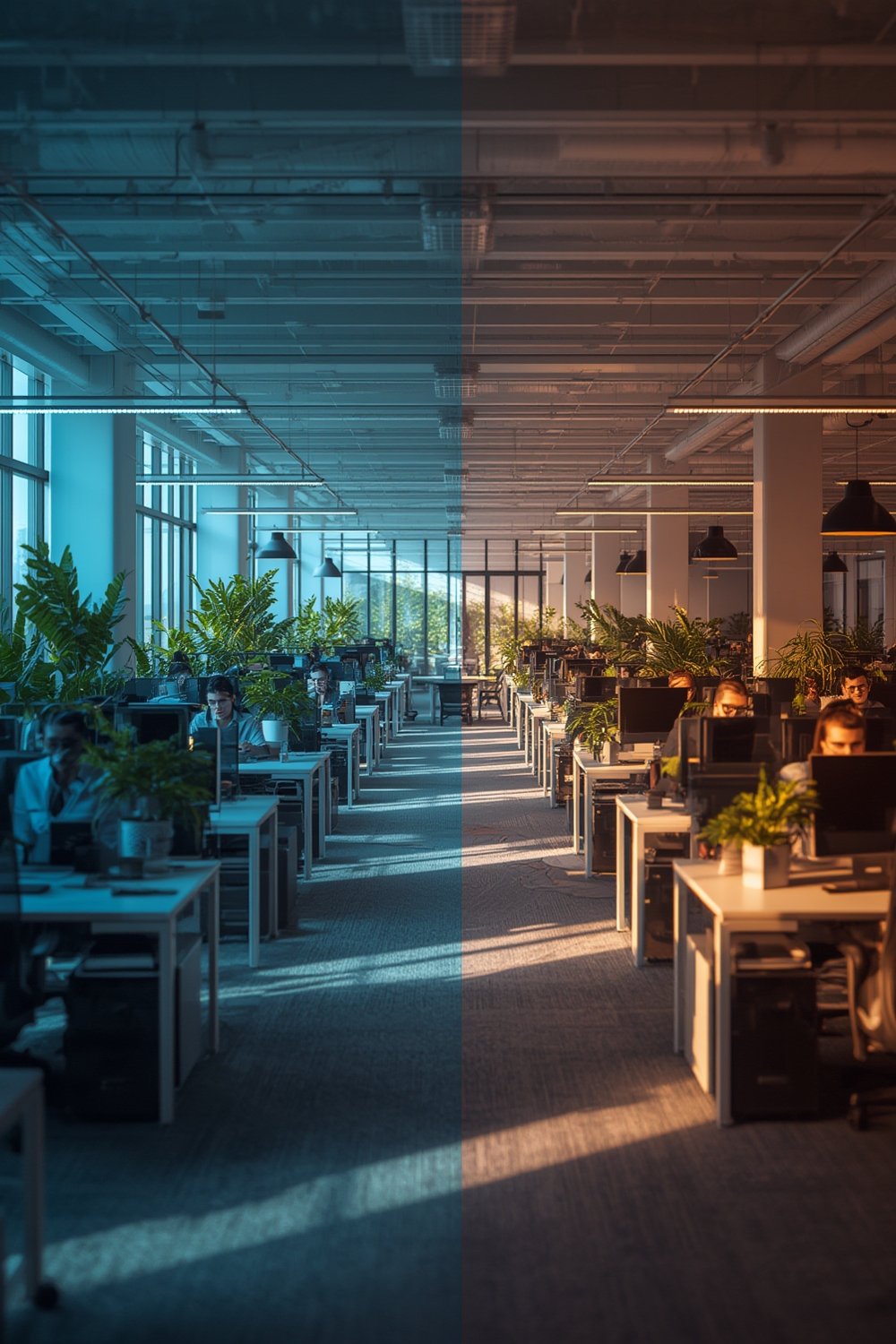
Modern circadian rhythm lighting adapts in real time via programmable LED bulbs and fixtures. This lets homeowners and businesses fine-tune lighting schedules that mirror sunrise, daylight, sunset, and after dark—optimizing every space for both productivity and relaxation.
You can read a practical guide on CCT adjustable lighting solutions to see how these bulbs transition from energizing white to calming warm tones.
Step-by-Step: How to Set Up Real Circadian Rhythm Lighting
Implementing circadian rhythm lighting can look complex but becomes straightforward with a structured plan. Here’s how to get started effectively—across both home and office settings:
-
Map Spaces by Activity and Time: Identify which rooms need energizing light (like the kitchen or home office in the morning) and which need wind-down light (bedroom, living area at night). For workspaces, consider where screens and natural daylight compete.
For expert setup tips, see our guide on smart recessed LED retrofit lighting. - Choose Tunable or Full-Spectrum Bulbs: Select bulbs marked as tunable white or “full spectrum” (often 2700K to 6500K), not just static warm or cool. Look for high CRI (90+) for color accuracy. Many systems allow app or voice control over color and schedule.
- Use Automation or Apps for Scheduling: Take advantage of manufacturer apps or smart home platforms (such as Philips Hue, Apple HomeKit, or Google Home) to build day–night lighting routines across multiple rooms. Prioritize systems offering time-based modes or full circadian presets.
- Prioritize Daylight Harvesting and Dimming: If your space has lots of windows, consider lights with sensors that adjust brightness based on real daylight, saving energy and further boosting biological alignment. Learn more with our LED under cabinet lighting guide.
- Integrate With Other Wellness Tech: Some advanced setups link with wearables or sleep trackers for personalized adjustment. If that’s overwhelming, start simple—get the core schedules dialed in before experimenting with extras.
- Install and Calibrate: Replace existing fixtures with your chosen smart bulbs or upgrade entire fixtures for best uniformity (consider sleek options like Philips Hue Indoor Lightstrip or adjustable LED pendant lights). Fine-tune color temperature for each timeblock.
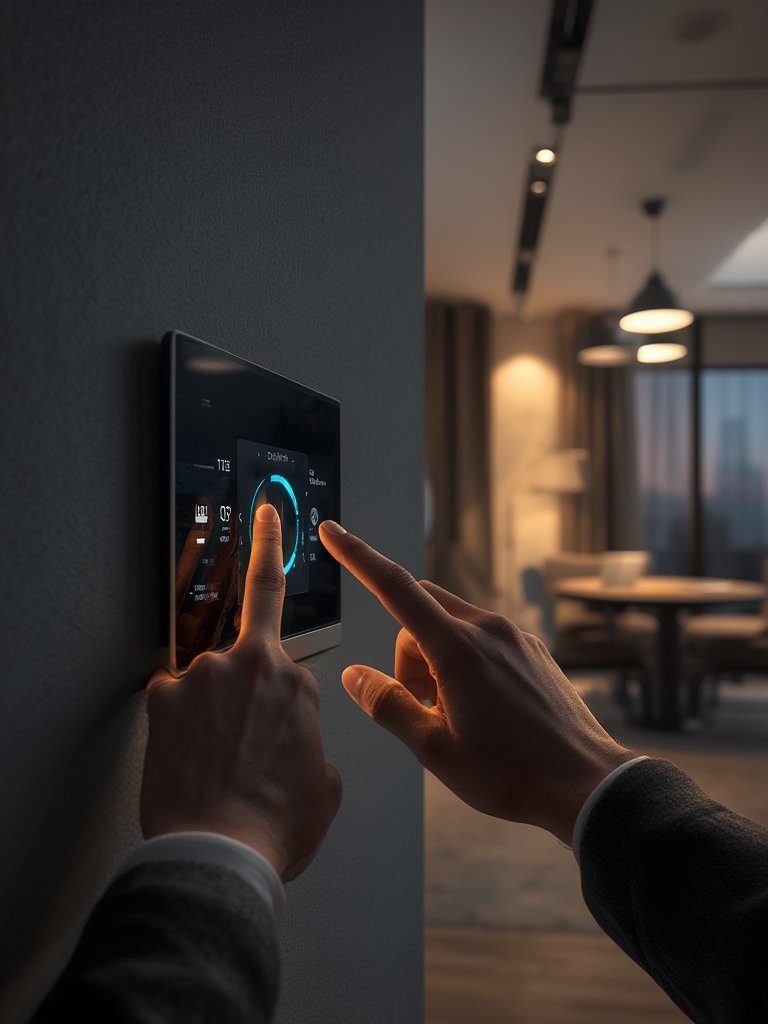
- Test and Tweak: Monitor how your space feels and how you sleep/perceive alertness after the first few weeks. Adjust schedules and settings until your routine feels right—every home or office will be a bit different.
For more on blending smart tech with wellness, see our Matter smart lighting guide for cross-platform device selection.
Advanced Analysis & Common Pitfalls
While the benefits of human-centric lighting are well supported, not all installations deliver on their promises. Here are key strengths, weaknesses, and real-world problems to watch out for as you implement circadian rhythm lighting:
| Feature | Best Practice | Potential Pitfall |
|---|---|---|
| Tunable Spectrum Range | Use bulbs offering 2700K to 6500K with at least 90 CRI | Budget bulbs often lack true spectrum adjustment or appear washed out at some colors |
| Automation & Schedules | Automate based on time, occupancy, and daylight when possible | Manual adjustments get tedious, especially if app interfaces are slow or buggy |
| Integration with Smart Home | Look for platforms supporting Matter, Alexa, Google, HomeKit | Device compatibility issues are common; not all bulbs work across ecosystems |
| Uniform Illumination | Install LED strips or fixtures for even light spread | Single-point sources (just changing a bulb) can result in patchy or unnatural lighting |
| Cost vs. ROI | Budget for fixtures, controls, and possible pro install | Upfront costs can be high and payback (in productivity/energy) is gradual over years |
-
Reality Check: Installation Costs & Value
Circadian lighting systems (including smart bulbs and retrofit kits) can require hundreds of dollars per room for full-spectrum, tunable fixtures. While energy-efficiency may save some on utility bills, the real ROI is long-term productivity and wellness—especially in office environments (see technical research). If you’re seeking spot fixes, look for high-quality under cabinet or accent solutions like motion sensor under cabinet lighting. -
Product Confusion & Overpromising
Many bulbs or fixtures claim “circadian support” but lack the spectrum range or control needed for real biological influence. Check spectrum specs and review hands-on guides such as our color temperature tuning breakdown. -
User Complaints
While scientific studies are promising, actual complaint data for circadian lighting products is limited. However, common frustrations found with smart lights include app glitches, complex setups, and inconsistent manufacturer support. Consider sticking with reputable brands—or at least those that offer both app and physical controls for reliability. -
Information Gaps
Many competitor articles fail to cover: the exact integration process for smart controls in existing homes, long-term ROI based on user experience, or in-depth comparison of tunable spectrum performance. Bookmark this post for updates as the market develops.
Conclusion
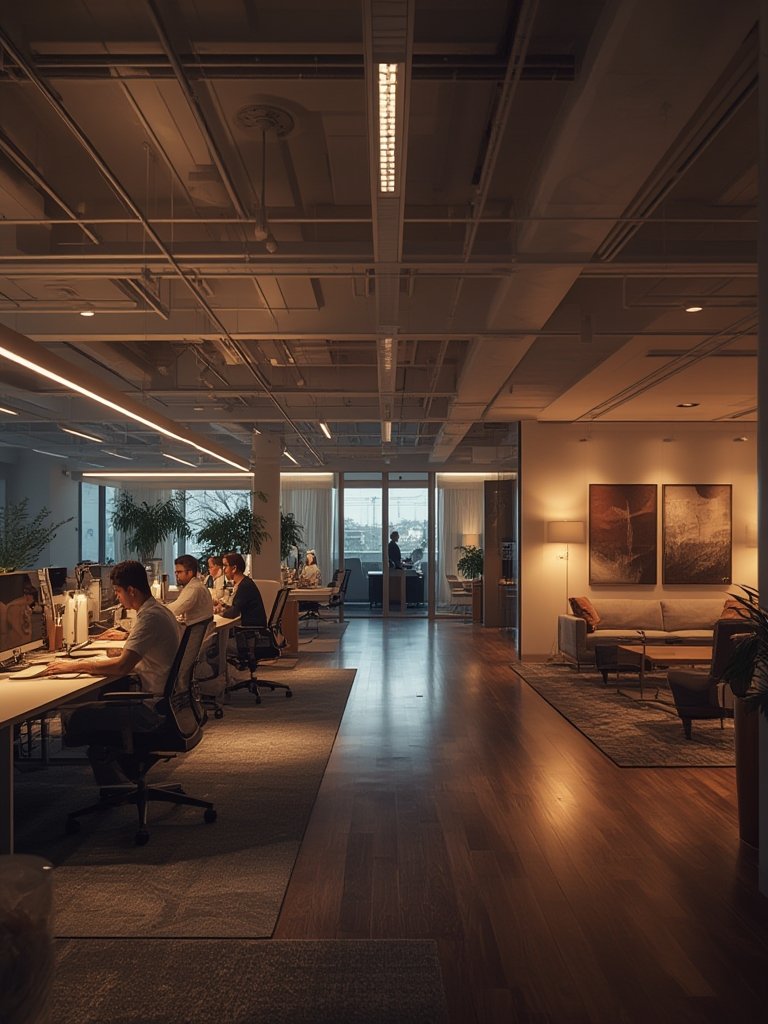
Circadian rhythm lighting isn’t just another trend—it’s a proven strategy for better sleep, stronger focus, and healthier living. By understanding the science, investing in tunable, smart-aligned systems, and deploying them thoughtfully, you can create a home or office that works with, not against, your natural cycles.
Ready to get started with circadian rhythm lighting? Explore real product reviews and deep-dive guides on our site, test what works in your space, and make your environment work for you—day and night.
FAQ
What is circadian rhythm lighting?
Circadian rhythm lighting is an approach to indoor lighting that mimics the changing color and brightness of natural sunlight throughout the day. It helps support healthy sleep-wake cycles, mood, and productivity by shifting from energizing cool white light in the morning to warm, restful light at night.
Do I need special bulbs for circadian lighting?
Yes, for full effect, use tunable white or full-spectrum bulbs (often ranging from 2700K warm to 6500K cool). Basic LED bulbs with only one color temperature do not provide the dynamic range needed to fully support your circadian rhythms.
Does circadian lighting really work?
Multiple studies now show that human-centric lighting can improve cognitive performance, alertness, and sleep quality by supporting natural biological processes. The extent of results depends on spectrum accuracy, timing, and how closely your lighting matches natural patterns.
Can smart lights automatically follow circadian cycles?
Many modern smart lighting systems can automate color temperature and brightness changes throughout the day. Look for products with built-in schedules, daylight synchronization, or apps that allow you to customize routines. For most reliable setups, choose lights compatible with platforms like Philips Hue, Matter, or HomeKit.
Are there downsides to installing circadian rhythm lighting?
Main downsides include higher upfront costs, potential compatibility issues with older fixtures, and a learning curve for setting up schedules or integrating with smart home platforms. Over time, however, these can be offset by productivity and wellness benefits, especially in workplaces.
[…] While there are currently no published clinical trials testing specific amber or red sleep bulbs, the science is robust that less blue equals less disruption—a simple change to lighting can improve your nightly rest. For more on circadian rhythm lighting, see our in-depth guide. […]
[…] devices, such as triggers for comfort or energy savings. Looking for whole-room automation? Explore circadian rhythm lighting for wellness-focused […]
[…] For more on how color-tuning and dynamic lighting is shaping modern interiors, see our guides to adjustable color temperature lighting and circadian rhythm lighting solutions. […]