

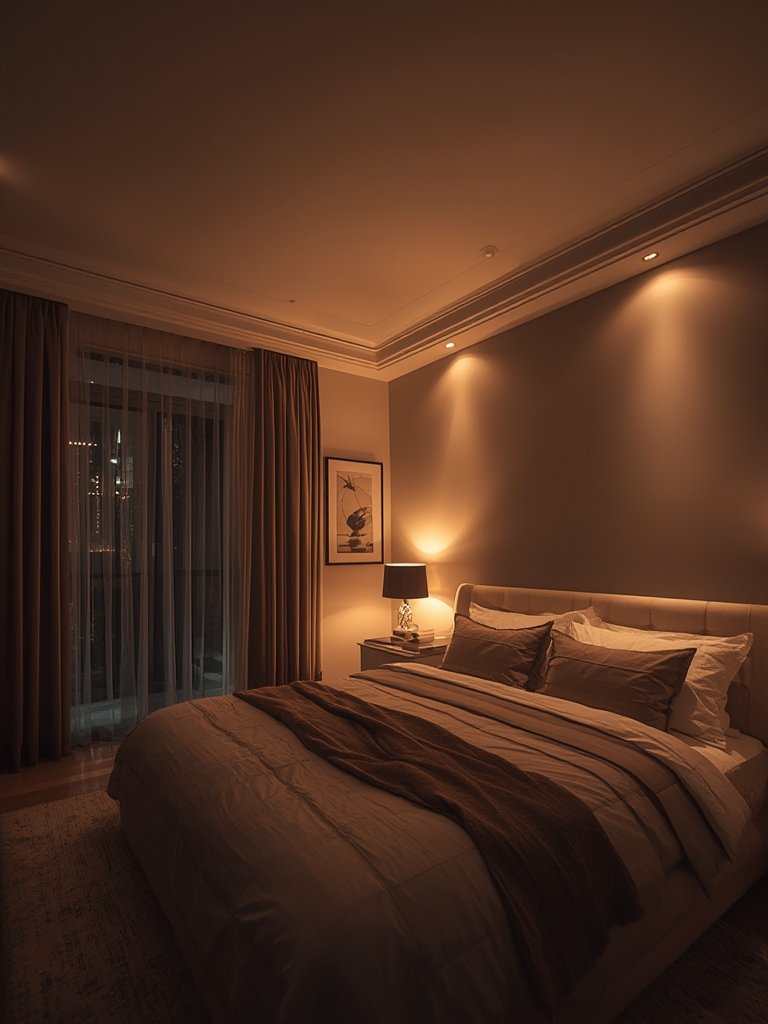
CCT adjustable lighting solutions are rapidly changing both residential and commercial environments by letting users control the exact shade of white light, from cozy warm white to crisp daylight, through a single fixture or bulb.
Key Takeaways
- CCT adjustable lighting is growing fast, especially in health, education, and smart home sectors.
- Real-world drawbacks include some technical complexity, unclear residential cost savings, and limited detailed user feedback on color accuracy.
- Integration with Alexa, Google, and Apple platforms remains uneven in smaller projects, but ecosystem compatibility is expanding.
- What Are CCT Adjustable Lighting Solutions (and Why Use Them)?
- Step-by-Step: How to Select and Implement CCT Adjustable Lighting
- Advanced Analysis & Common Pitfalls
- Conclusion
- FAQ
What Are CCT Adjustable Lighting Solutions (and Why Use Them)?
CCT adjustable lighting solutions use tunable white LEDs with smart controls to let users shift light output anywhere from a soft warm white (around 2700K, similar to incandescent bulbs) to cool daylight (up to 6500K). This feature is increasingly built into smart bulbs, ceiling fixtures, panels, and strips aimed at homes, offices, hospitals, and classrooms.
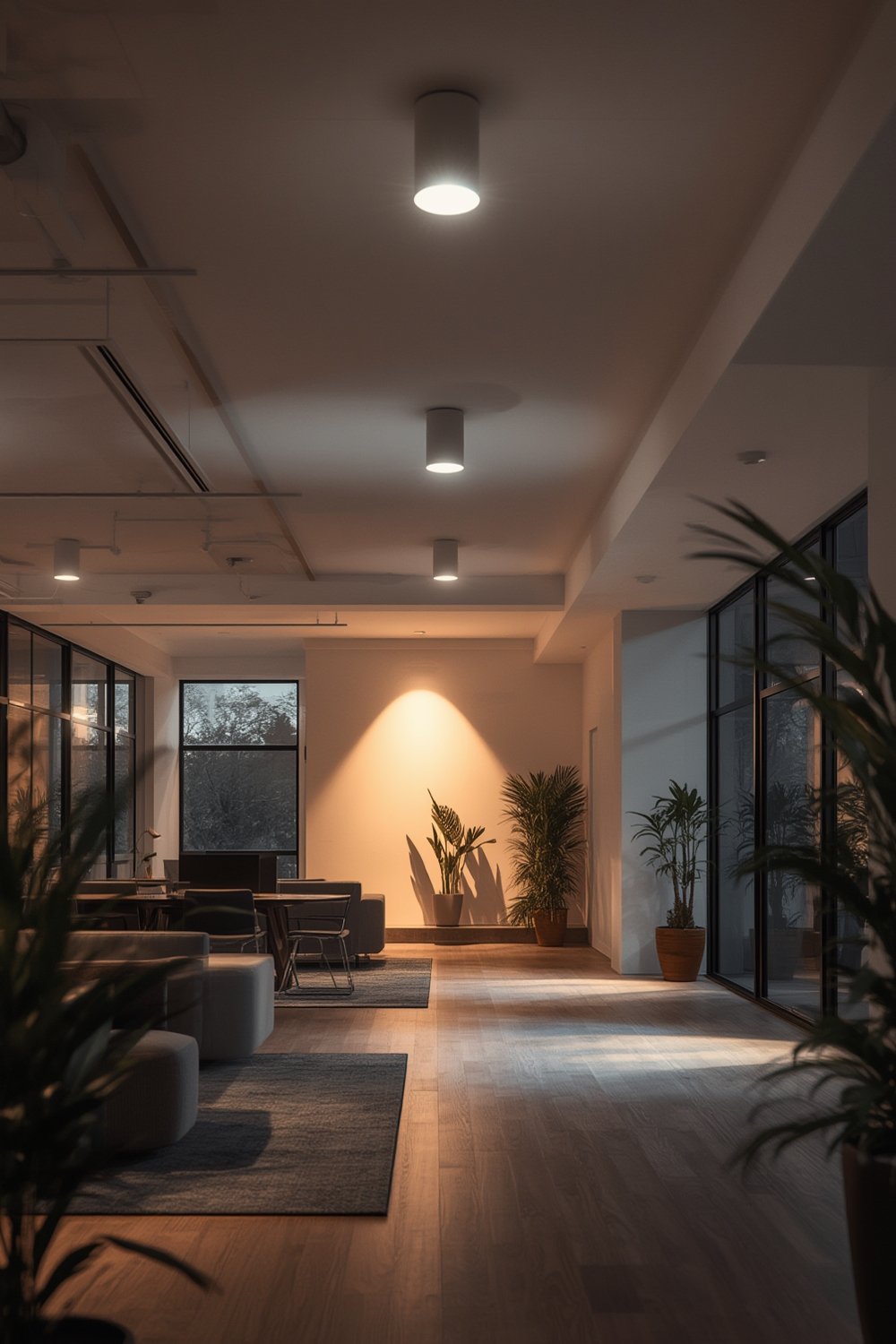
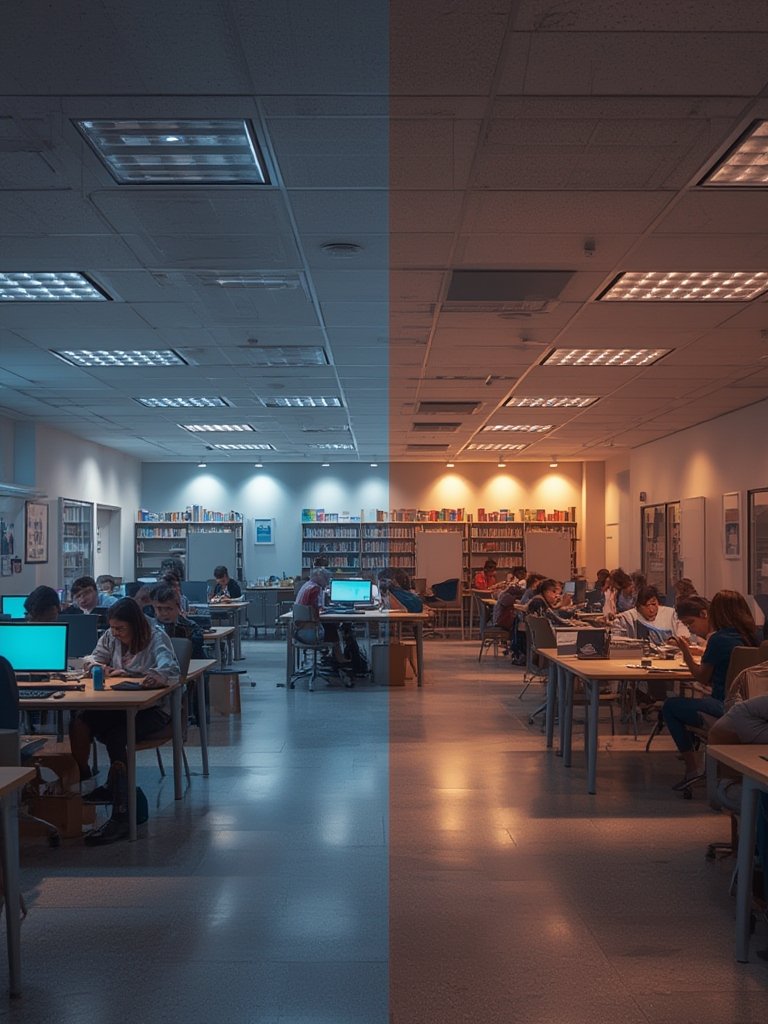
The driver for adoption is flexibility. In commercial spaces, cooler light in the morning supports alertness and focus, while warmer tones later support comfort. In homes, the same bedroom or living room fixture can shift from energizing cool light for chores to a relaxing warm white for winding down. This aligns with natural circadian rhythms, potentially improving mood, productivity, and sleep quality.
Recent market research shows the global architectural lighting segment, including dynamic CCT products, was valued at USD 8.3 billion in 2024, with a CAGR of 9.43% through 2030. Smart lighting, led by tunable white, reached USD 16.8 billion, expanding almost 20% yearly across commercial and residential settings.
Many users are turning to premium smart LED light strips and upgradeable downlights for easy, retrofit CCT tuning.
Step-by-Step: How to Select and Implement CCT Adjustable Lighting
- Assess Your Needs: Decide if you want to control mood or maximize functional performance (e.g., reading, working, or relaxing).
- Pick the Fixture Type: For general living areas, look for ceiling lights, downlights, or smart bulbs. For accent or task lighting, consider LED strips or dotless COB LED strips. Kitchens and bathrooms often benefit from higher CCTs.
- Choose Smart or Manual Control: Smart bulbs and fixtures offer app, voice, or schedule-based color tuning, but add cost and setup complexity. Manual switches or remotes are simpler for those not needing automation.
- Check Compatibility and Standards: If you want smart home integration, verify your new bulbs or fixtures work seamlessly with Alexa, Google Home, or Apple HomeKit. Look for products that support Matter for future-proofing.
- Plan Installation: For ceiling fixtures, installation may require basic wiring—DIY is possible with retrofits, but you may want a pro for more complex setups or hardwiring.
- Configure Scenes and Schedules: Once installed, create personalized presets for morning energy, daylight focus, or evening calm using your chosen app or home assistant.
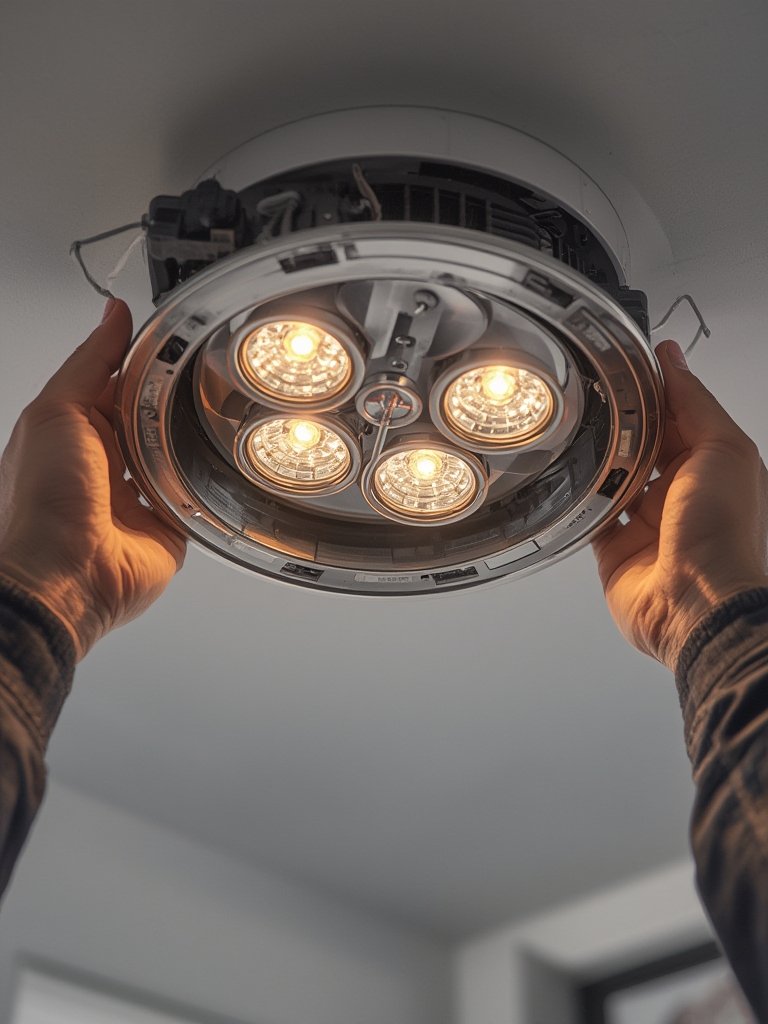
If you’re outfitting an office, prioritize fixtures that allow both group-level and individual workstation control. For renters, look for plug-in or battery-operated smart lights that require no wiring or permanent installation.
Some popular products for easy upgrades include canless recessed lights and portable LED table lamps, both offering CCT adjustability for diverse needs.
Advanced Analysis & Common Pitfalls
CCT adjustable lighting is not without its drawbacks. Here’s what to watch for, based on 2024 research and user reports:
- Compatibility Issues: Some smart fixtures don’t play nicely across ecosystems. For the smoothest voice/app integration, products with Matter or native support for your platform reduce headaches.
- Installation Complexity: Hardwired ceiling lights or multi-fixture upgrades usually require electrical skills. Plan for professional installation if you’re uncertain.
- Real-World Light Quality: Despite marketing claims, some lower-cost products have uneven or limited CCT ranges. Output may appear dull or color-distorted at extreme warm or cool settings.
- Lack of Standardization: While most tunable products span 2700K–6500K, not all can dim smoothly across the range, and CRI varies. Always check specs before buying.
- Cost vs. Benefit: There’s no clear evidence that adjustable CCT bulbs or fixtures deliver significant energy savings or ROI over regular high-quality LEDs. Budget premium for CCT control itself—upfront and possibly ongoing (if smart features require cloud services).
- Unclear User Feedback: Despite rising sales, detailed long-term user reviews or pain points (e.g., reliability or sustained color accuracy) remain scarce. You may encounter firmware bugs, slow response, or app malfunctions as ecosystems evolve.
| Feature | Standard LED | Tunable White/CCT Adjustable LED |
|---|---|---|
| Color Tuning (CCT Range) | Fixed (2700K/3000K/4000K) | 2700K–6500K, often app or voice controlled |
| Installation | Easy, direct replacement | Varies (plug-in, wire-in, or requires app setup) |
| Smart Home Integration | Rare | Common (but check for Alexa/Google/Apple/Matter) |
| Average Price | Lower | Typically 1.5x–3x of standard LEDs |
| User Pain Points | Glare, fixed color, lack of dimming | Compatibility issues, setup bugs, cost |
Latest industry data shows Europe’s commercial sector leads with 64% LED market share, but smart home CCT adoption is tied to affordable integration (source).
Conclusion
CCT adjustable lighting solutions offer considerable benefits if you value wellness, flexibility, or matching light to daily activity. However, the best experience still depends on choosing compatible products, mindful planning, and understanding the true cost/benefit equation.
To get the most from CCT adjustable lighting solutions, balance personal preferences with practical setup and budget. Explore upgrade guides or browse the latest smart lighting reviews before buying. Ready for healthier, more dynamic light at home or work? Start with one room and expand as you learn what fits your routine best.
FAQ
What does CCT mean in lighting?
CCT stands for “Correlated Color Temperature,” measured in Kelvin. It describes whether white light is warm/yellowish (e.g., 2700K) or cool/bluish (e.g., 6500K).
Are CCT adjustable lights better for productivity?
Studies suggest dynamic lighting that mimics natural daylight cycles supports alertness, focus, and well-being, especially in workplaces. However, hard data quantifying differences versus fixed lights for tasks is still limited.
Can I use tunable white bulbs with Alexa or Google Home?
Many smart bulbs offer native integration, but not all. Check for specific mentions of Alexa, Google Home, Apple HomeKit, or Matter on packaging. If in doubt, stick to trusted brands or compatible hubs.
Is there a way to retrofit old ceiling fixtures with CCT adjustable lighting?
Yes. Many retrofit LED downlights and bulbs offer CCT adjustment and fit standard E26/E27 or recessed housings. No need to fully rewire—just pick products compatible with your sockets and controls.
Does CCT tuning cost more to run than standard LEDs?
Electricity consumption is usually identical to regular LEDs; added cost lies in the higher price of tunable or smart models, not daily energy use.
[…] every space for both productivity and relaxation. You can read a practical guide on CCT adjustable lighting solutions to see how these bulbs transition from energizing white to calming warm […]
[…] (2700K warm to 4000K neutral) so you can fine-tune the ambiance for relaxation or work. See tunable white lighting guides for detailed […]
[…] Go for warm white (2700K-3000K) for a cozy, relaxing atmosphere or stick with cool white (4000K-6000K) if you want brighter, clearer visibility for food prep. Some premium strips even offer adjustable color temperatures to adapt between task and ambient lighting—read about how this flexibility affects workflow in our color temperature lighting guide. […]
[…] Choose Key Features Popular options include backlighting (soft glow from behind), front-lit mirrors (for brighter tasks), anti-fog tech, touch controls, shaver sockets, built-in Bluetooth speakers, and magnification spots. For energy efficiency, check if the mirror supports dimming or tunable white (2700K-6500K), which you can read more about in our adjustable color temperature guide. […]
[…] Some advanced models offer CCT adjustability, letting you fine-tune the warmth for each painting (see adjustable color temperature solutions). […]
[…] or app-based controls if you want scene settings or scheduling. For advanced ambiance, check out color temperature adjustable options or Matter-compatible smart lighting […]
[…] usually offer energy usage analytics. If you want to sync lighting moods, look for color-tunable or CCT adjustable […]
[…] more on how color-tuning and dynamic lighting is shaping modern interiors, see our guides to adjustable color temperature lighting and circadian rhythm lighting […]
[…] light and fine-tuning brightness for reading or ambiance, you might also want to review options for adjustable color temperature lighting that many new LED models now […]
[…] Choose color temperature. Warm white (2700K–3000K) works for living areas and bedrooms, while daylight (4000K–5000K) is ideal for kitchens, bathrooms, or task areas. For flexibility, look for adjustable color temperature bulbs. […]
[…] daylight LEDs (5000K+) for kitchens, offices, or workspaces; warmer whites for living and bedrooms. Color temperature adjustable options work well in multi-purpose […]