

battery picture lights are rewriting what’s possible for art lighting in homes, galleries, and even offices—no wiring, no drilling, only pure flexibility. But with all the innovation and hype, choosing the right wireless solution and getting quality results isn’t as simple as it sounds. Here’s what’s really happening in the market, what works, what fails, and how you can illuminate art like a pro even if you’ve never used a screwdriver.
Key Takeaways
- Battery picture lights are booming due to portability and simple installs, with global markets growing over 10% annually.
- Biggest pain points: battery life, inconsistent brightness, and installation mistakes that spoil the art’s look.
- Smart features, rechargeable tech, and budget-friendly choices are emerging, but picking the right product still requires careful comparison.
- The Core Concept: Why Battery Picture Lights Dominate Art Lighting in 2024
- Step-by-Step Guide: Selecting, Installing, and Aiming Battery Picture Lights
- Advanced Analysis & Common Pitfalls with Wireless Art Lighting
- Conclusion
- FAQ
The Core Concept: Why Battery Picture Lights Dominate Art Lighting in 2024
Battery picture lights and wireless art lighting have exploded in popularity for a reason: people want more freedom to place artwork anywhere—without hiring electricians or worrying about outlets. The global battery picture light market reached $182.6 million in 2024 and is growing over 10% a year. Even broader battery-operated lighting is a $122 billion industry heading to $300+ billion by 2033, driven by e-commerce, rechargeable batteries, and smart features like motion sensors (source).
But convenience comes at a cost. Battery picture lights solve wiring and aesthetic headaches, letting renters, gallery owners, and homeowners get that “finished” look anywhere. Still, there are trade-offs—especially with battery replacement, brightness consistency, and mounting. The market shows a massive shift to mid-range pricing (40% revenue share), IoT connectivity, and expanded use in places with unreliable power. That means more choice, more innovation, but also more confusion.
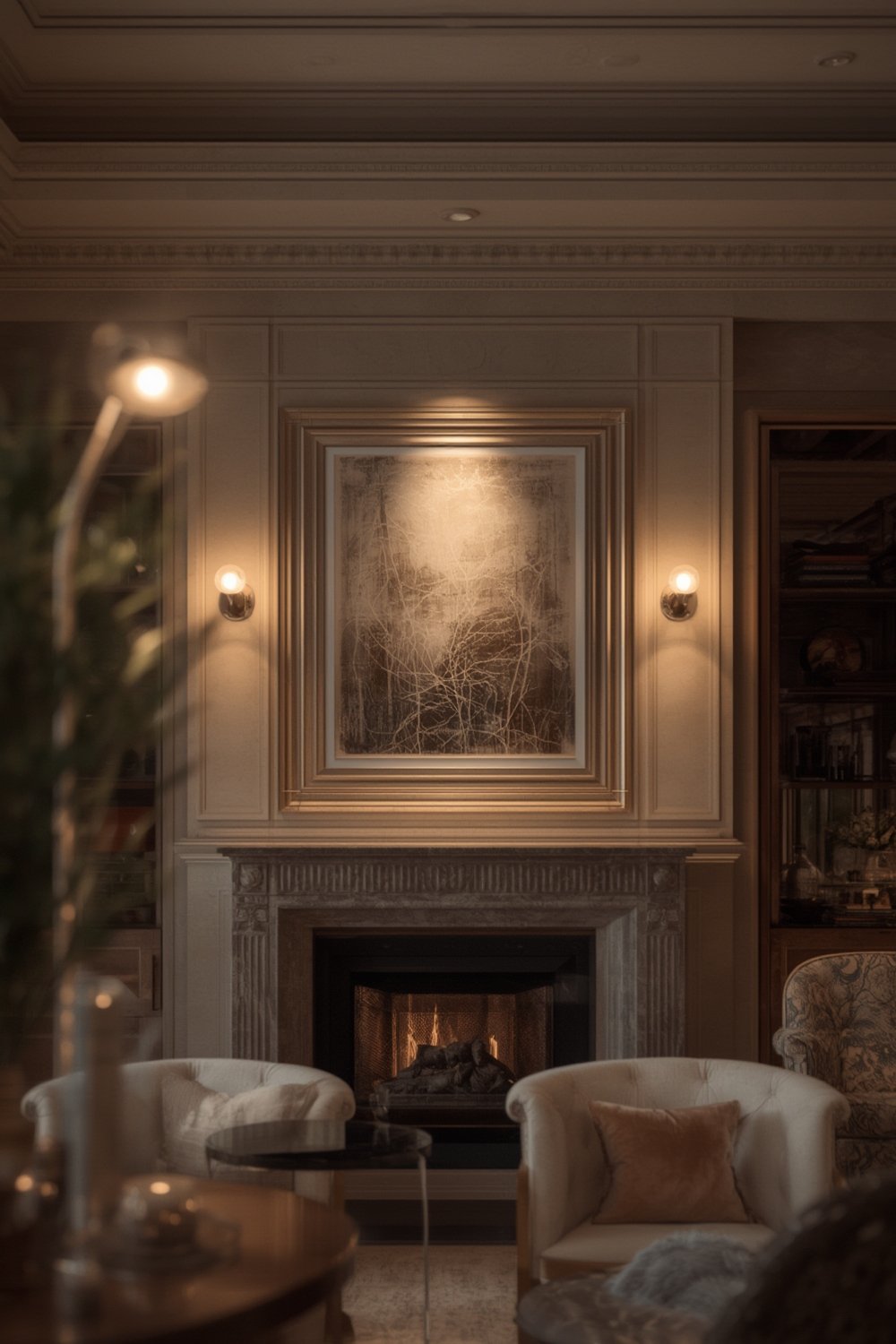
Key features users care about now? Rechargeability, ease of install, and smart controls that can tune color or respond to motion. The best wireless picture lights balance performance and simplicity, making gallery-level lighting possible even in tricky home settings.
Want to see advanced color control and smart features? Check out this Philips Hue light strip review for inspiration.
Step-by-Step Guide: Selecting, Installing, and Aiming Battery Picture Lights
Getting gallery-quality illumination with battery-powered or wireless picture lights means choosing the right model, placing it correctly, and avoiding classic blunders that cause glare or unevenness. Here’s a practical, field-tested process you can use at home—no guesswork required.
- Identify the right type for your needs.
- Need frequent repositioning or renter-friendly install? Go fully wireless, battery powered, or rechargeable.
- Want no maintenance? Consider plug-in picture lights, but only if you have access to a power outlet.
- Compare models with remote control, touch on/off, or smart home compatibility for maximum flexibility.
- Browse battery operated branch lights for accent lighting inspiration, especially for shelf displays.
- Check brightness and color temperature (if available).
- No universal standard for picture lights, but aim for 100–200 lumens per foot for art under 40 inches wide.
- Neutral white (3000K–4000K) is safest for most artwork—avoid harsh blue (6500K+) that can change color perception.
- Some advanced models offer CCT adjustability, letting you fine-tune the warmth for each painting (see adjustable color temperature solutions).
- Mounting:
- Test with painter’s tape or adhesive strips first; once satisfied, use included wall anchors or screws for permanent mount.
- Art lights should be positioned 6–12 inches above the top of the frame, angled at ~30 degrees toward the artwork.
- For large art, consider LED profiles for even wall washes.
- Adjust aim and coverage.
- Turn off ambient room lighting. Switch on your battery picture light and check for glare, reflections, or “hot spots.”
- Move slightly side-to-side and confirm even illumination from every typical viewing angle.
- For long paintings, look for “bar” or “wide beam” models to avoid edge shadowing. Inspiration: wireless puck lighting for small pieces.
- Optimize battery efficiency.
- Take advantage of motion sensors or timers if available—these conserve battery for longer life.
- Rechargeable models are best if you don’t want to replace batteries every few weeks.
- If you have ambient temperature swings, be aware battery efficiency drops in cold or hot zones.
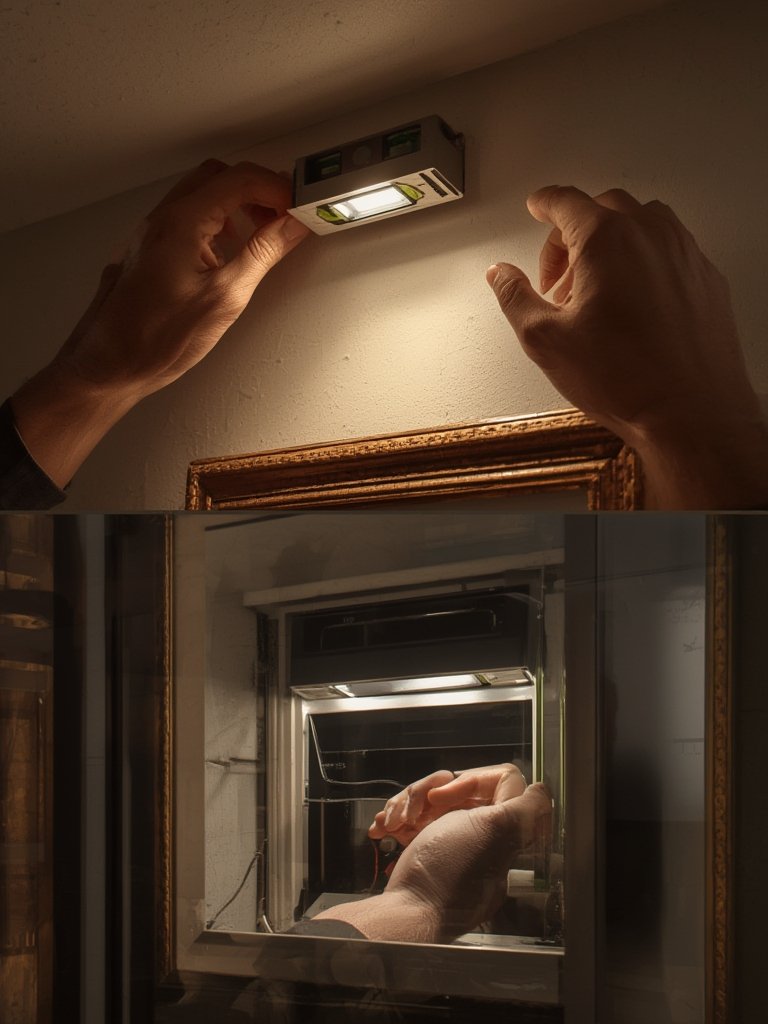
Installing multiple battery lights for a gallery wall? Use a measuring tape and level to keep everything aligned. A laser level or smartphone level app can make the setup nearly error-proof.
Looking for more on remote and rechargeable convenience? See this guide to rechargeable cabinet lighting for crossover ideas.
Advanced Analysis & Common Pitfalls with Wireless Art Lighting
Most battery picture lights look great out of the box, but a few common issues can sabotage your results—and your patience. Here’s what to expect (the good, the bad, and the avoidable).
- Battery Life Fluctuations: Even top models can lose brightness as batteries drain. Users report drops in output, especially with cheaper AAA-powered lights, or when used in cold rooms (source).
- Inconsistent Color: Lack of color temperature tuning can make some art look “off” at night compared to daylight. LEDs skew blue if not managed—review CCT adjustable bulbs for upgrade options.
- Mounting Issues: Flimsy adhesive, cheap fasteners, or misaligned mounts result in drooping lights and uneven illumination. Always test temporary placement before going permanent.
- Run Time Claims: Marketing often lists “maximum” runtime at lowest brightness, hiding real-world results. Rechargeable models usually outperform standard battery lights but beware subpar built-in batteries.
- Noisy or Obtrusive Units: Some wireless lights have loud switches, visible plastic housings, or remote controls that lag or break. Investing in a well-reviewed model pays off.
| Feature | Battery Wireless | Rechargeable | Plug-in |
|---|---|---|---|
| Ease of Install | Excellent (No wires, instant placement) |
Excellent (Magnetic/usb recharge) |
Fair (Requires outlet nearby) |
| Brightness Consistency | Fades as batteries drain | More consistent if recharged often | Stable, unlimited |
| Best For | Temporary, movable installs | No-hassle swaps, renters | Permanent, high-brightness needs |
| Typical Run Time | 2–20 hours (model-dependent) |
10–30 hours per charge | Unlimited |
| Downsides | Frequent battery changes, dimming | Remembering to recharge, battery life degrades over time | Exposed cords, limited placement |
If you’re after decorative accent instead of strict “art lighting,” products like GenSwin flameless taper candles or LED accent strips provide ambiance with similar battery tech.
Most new battery picture lights advertise smart features—motion sensors, app controls—but only premium models deliver reliable performance. Always check for up-to-date user reviews referencing the specific model and year.

Conclusion
Battery picture lights offer a flexible, renter-friendly solution for art illumination, but there’s no perfect shortcut. Do your homework, pay attention to battery specs, brightness, and color temperature options, and use smart trial placement to avoid costly mistakes. Choose battery picture lights with proven run time and rechargeability for the best balance of convenience and quality. Want the best results? Get started today—test a mount, check your artwork at night, and upgrade with confidence.
For more pro lighting ideas, browse LED profile installations or consider color temperature-tunable solutions for fine artwork.
FAQ
How long do batteries usually last in wireless picture lights?
Run times can range from 2 to 20+ hours depending on the light’s power, settings, and battery quality. Rechargeable models usually last longer per charge than traditional AA or AAA-powered units.
What’s the ideal placement for a battery picture light over a painting?
For most artworks, mount the light 6–12 inches above the painting and angle it down at about 30 degrees to evenly illuminate without glare.
Can I use battery picture lights for very large wall art?
Yes, but you may need multiple lights or longer “bar” style models. For wide pieces, look for lights with coverage matching the artwork’s width.
What is the best color temperature for artwork?
Neutral white (3000–4000K) enhances most art without distorting color. Warmer light suits older, classic works; cooler tones may fit modern art, but avoid overly blue LEDs.
Are there major downsides to battery-powered art lighting?
Main issues are battery replacement hassle, brightness drop-off over time, and sometimes less uniform light compared to wired pro installs. Picking a quality model and aiming it well minimizes most problems.