

Architectural wall wash lighting is transforming modern interiors and exteriors, delivering dramatic visual impact and practical illumination by precisely controlling how light fills a surface. If you want smooth, even ambiance or to enhance architectural details, wall washing with advanced LED fixtures is the designer’s go-to—when it’s installed correctly. Here’s how it works, common pitfalls, and the actionable steps to get it right for your living space or commercial project.
Key Takeaways
- Wall wash lighting creates uniform, shadow-free illumination—perfect for highlighting art or making rooms feel larger.
- Correct fixture placement, beam angle, and surface selection are critical for avoiding uneven light or unwanted shadows.
- Plan for installation needs—power supply, run length, and surface type—to sidestep common maintenance headaches.
- What Is Architectural Wall Wash Lighting?
- How To Plan and Install LED Wall Washers: The Practical Steps
- Advanced Analysis & Common Pitfalls
- Conclusion
- Frequently Asked Questions
What Is Architectural Wall Wash Lighting?
Architectural wall wash lighting uses specialized LED fixtures or linear luminaires to spread light evenly across an entire wall or surface, eliminating shadows and highlighting color, texture, or artwork. Designers select wall washing when they want a clean, expansive look that minimizes imperfections and visually enlarges rooms. Unlike basic spotlights, wall washers blend the light seamlessly over smooth surfaces, making them a staple for galleries, showrooms, and upscale living spaces.
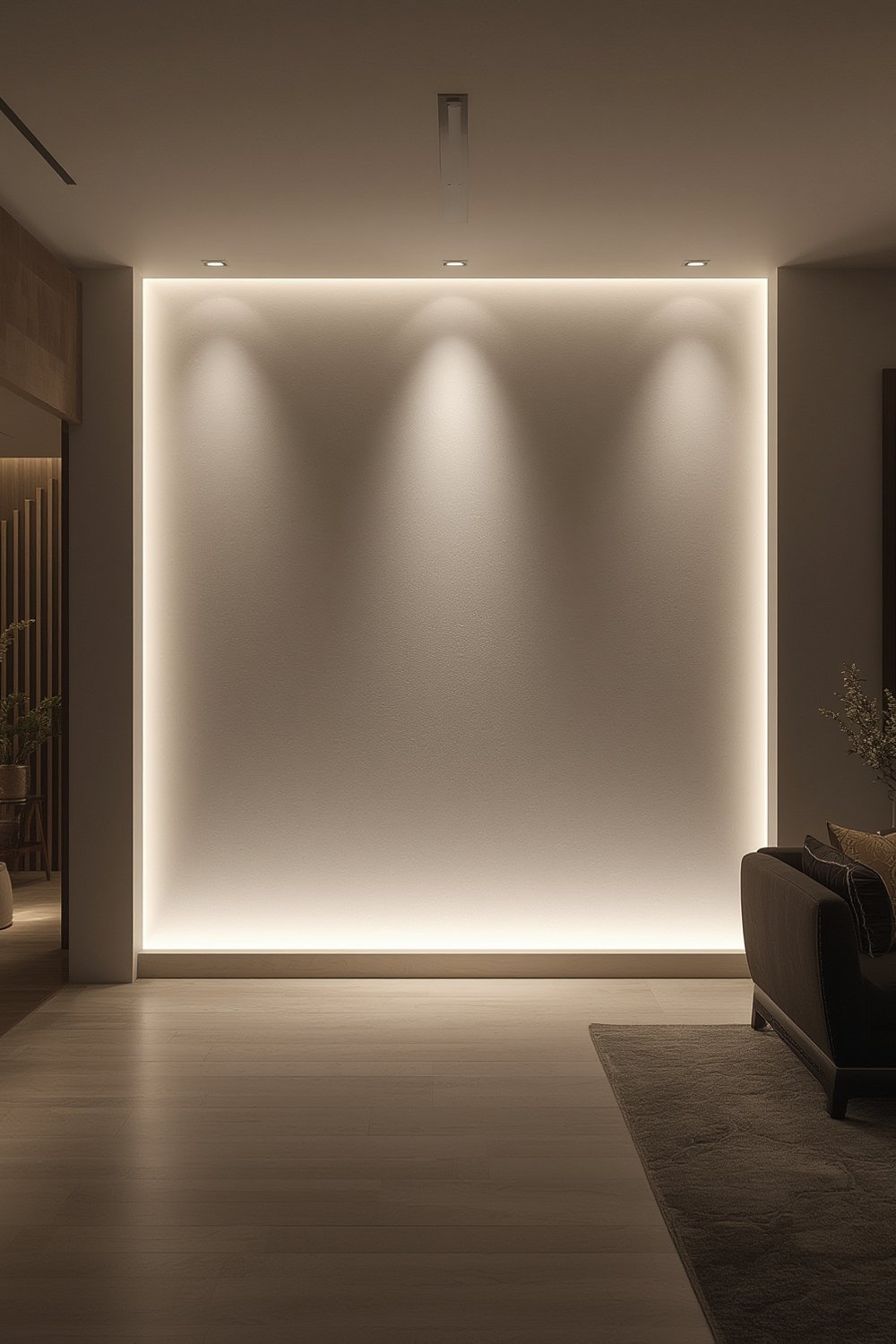
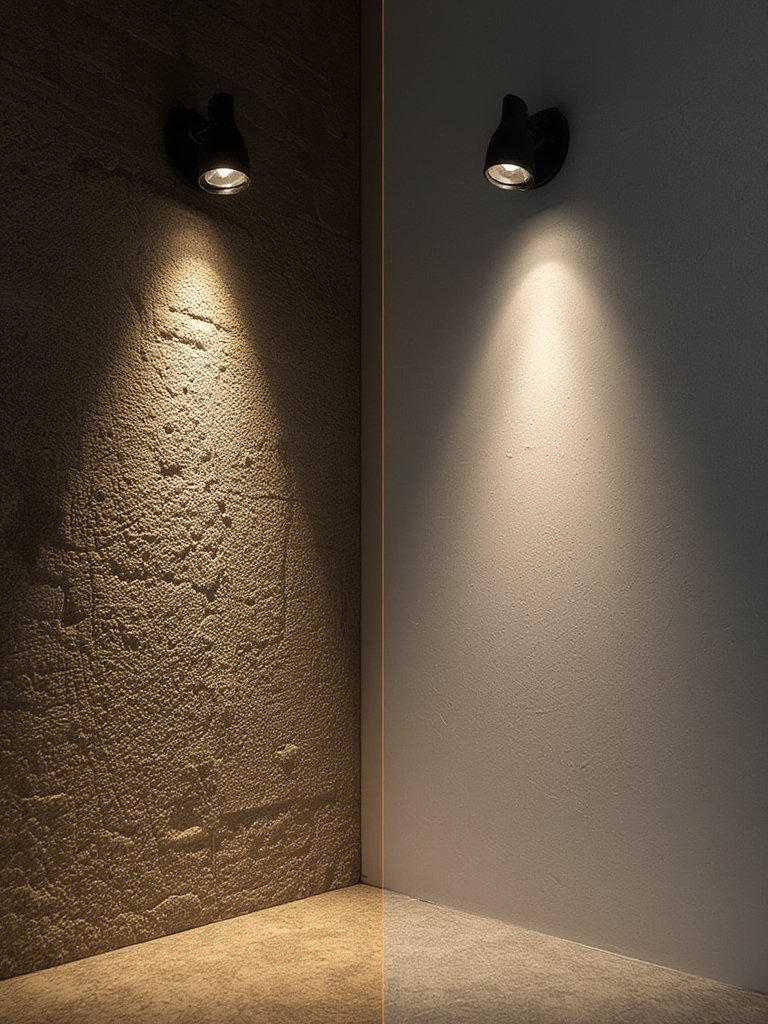
The technique is different from wall grazing, where lights are positioned closer to the surface to accentuate texture and create more dramatic shadow play. With wall washing, you’ll want wide beam fixtures set a couple of feet from the wall, aimed horizontally to eliminate hot spots and ensure even brightness from top to bottom. This controlled light effect is especially valued in modern, minimalist, and commercial interiors where clean surfaces define the architecture.
To see how wall wash lighting influences ambiance, compare trends with other modern living room lighting ideas or explore how it differs from accent lighting found in mood-enhancing bedroom LEDs.
How To Plan and Install LED Wall Washers: The Practical Steps
Installing an LED wall washer system for living rooms or commercial spaces requires strategic planning. Here’s a realistic, step-by-step guide that helps avoid rookie errors and delivers a premium finish.
- Choose the Right Wall Washer Fixture: Select a fixture with a beam angle of ~40–45° for flat, smooth walls. Consider color temperature (3000K for warm, 4000K for neutral, or tunable white) based on the atmosphere you want. For smart control options, refer to solutions from app-controlled LED strips or systems compatible with voice assistants.
- Determine Placement & Spacing: Place fixtures 2 to 3 feet away from the wall and 3–4 feet apart for a continuous wash. For high ceilings or taller walls, you may need multiple rows or staggered units.
- Prepare the Wall Surface: Fill in cracks or blemishes, and choose matte paint to reduce visible light artifacts. Wall washing reveals imperfections—don’t skip prep work.
- Install Power & Controls: Use low voltage power supplies, not direct line voltage (120V), for safety and fixture longevity. Plan circuit load and maximum run lengths, because overloading can cause overheating or dimming.
- Mount & Aim Fixtures: Attach wall washer brackets or tracks securely. Use an angle finder or laser level to set fixtures parallel to the floor and perpendicular to the wall for uniform flooding. Avoid aiming up or down unless creating deliberate effects.
- Fine-Tune & Test: Turn on the system at dusk. Look for brightness consistency, unwanted hotspots, or shadowy patches. Small adjustments in angle or spacing fix most issues.
- Set Up Control Features: Integrate with dimmers or app-based controls if you want scene settings or scheduling. For advanced ambiance, check out color temperature adjustable options or Matter-compatible smart lighting systems.
For smaller accent zones, like under cabinets or shelves, you can adapt wall wash principles with dotless COB LED strips to get smooth, linear light with minimal glare—a solution trending in 2024 for achieving clean, continuous illumination lines.
Advanced Analysis & Common Pitfalls
Wall washer installations look simple on paper, but real-world projects often run into technical and aesthetic snags. Here’s what often goes wrong, why, and how to dodge these pitfalls for a pro result.
| Feature | Wall Washing | Wall Grazing |
|---|---|---|
| Purpose | Even illumination, hide blemishes | Highlight texture via shadows |
| Best Surfaces | Smooth, flat (painted/matte) | Textured (brick, stone, wood) |
| Beam Angle | Wide (45°) | Narrow (15–30°) |
| Fixture Distance | Farther (2–3 ft) | Close (≤12 in) |
| Aiming | Horizontal, perpendicular to wall | Vertical, parallel to wall |
Common Pitfalls:
- Uneven Lighting/Hotspots: Happens if fixture spacing is too wide or angle is inconsistent. Always prototype before securing mounts.
- Fixture Overload/Overheating: Running too many fixtures on a single power supply or using the wrong voltage can damage your investment. Stick to manufacturer limits—see expert advice on electrical safety.
- Water Damage/Shorts: Indoor installations near bathrooms or kitchens must have sealed connections, especially in damp-prone areas.
- Poor Wall Prep: Wall washing actually reveals blemishes, it won’t hide them unless the surface is smooth and matte-finished.
- Lack of Flexible Controls: Hardwired setups without dimmers or color tuning quickly feel dated. Today’s best results often come from smart or tunable white systems.
- Misapplied Grazing vs. Washing: Designers sometimes use grazing fixtures for washing, producing harsh shadows and uneven brightness on flat walls. Check the application guide from Selux for in-depth comparisons.
This is why many luxury renovations and high-end commercial builds integrate wall washers with smart controls, DMX or DALI dimming, and even TM-30 color rendition metrics to ensure both flexibility and best-in-class color accuracy. IoT integration and sustainable, energy-efficient LEDs are major trends, even if not always featured in legacy top-ranking guides.
For a more hands-on look at how modern accent lighting can create ambiance and solve tricky layout challenges, see our deep dive into minimal lighting strategies for small apartments.

Conclusion
Architectural wall wash lighting is a game-changer when you want a room to look expansive, contemporary, and impeccably finished. By carefully considering fixture selection, placement, wall prep, and smart controls, you’ll avoid most common issues and achieve a magazine-worthy effect—whether for homes or commercial interiors. If you’re looking for alternatives or inspiration, you may also want to explore modern bathroom lighting or voice-controlled setups for modern-living flexibility. Start your upgrade now, and let architectural wall wash lighting elevate your design.
Frequently Asked Questions
What type of surfaces benefit most from wall washing?
Flat, matte-painted walls are best for wall washing—it hides imperfections and avoids glare. Textured surfaces are better suited for wall grazing, which highlights relief and depth instead.
How do I avoid hotspots or scalloping on the wall?
Keep fixtures evenly spaced (no more than 3–4 feet apart), set them 2–3 feet from the wall, and adjust aiming to overlap beams slightly. Always test with a temporary setup before drilling permanent mounts.
Can wall washing fixtures be integrated with smart home systems?
Yes. Many modern LED wall washers are compatible with smart dimmers, voice assistants, and programmable controls. Check for options supporting Alexa, Google Assistant, or Matter for flexibility. For more, see our Matter smart lighting guide.
What’s the difference between wall washing and wall grazing?
Wall washing uses wide-beam lights set farther from the wall to create uniform illumination and minimize shadows, best for smooth surfaces. Wall grazing uses narrow-beam lights close to the wall to highlight textures with dramatic shadows.
Do I need a professional electrician for installation?
If you’re working with line voltage or integrating with in-wall dimmers, a licensed electrician is recommended. If using low-voltage, plug-and-play systems, advanced DIYers can often handle the job safely. When unsure, consult a pro.