

### Blog Post:
Rechargeable closet lights have quickly become the preferred choice for anyone seeking easy, wire-free brightness in closets, pantries, or under shelves. Whether you’re tired of fumbling with outdated battery lights or want smarter motion-activated solutions, the latest rechargeable models promise better performance, less maintenance, and versatile installation compared to older lighting approaches.
Key Takeaways
- Rechargeable closet lights are a fast-growing market, especially with motion sensors and smart features improving ease of use and energy efficiency.
- For best results, compare lights based on battery type, charging method, and installation method before buying — technical performance and usability vary widely.
- Minor frustrations with battery life, inconsistent sensors, or tricky mounting can be avoided with a careful, research-driven approach.
- What Are Rechargeable Closet Lights and Why Are They Gaining Traction?
- How to Choose and Install the Best Rechargeable Closet Light
- Advanced Analysis: Specs, Shortcomings, and What Competitors Miss
- Conclusion
- FAQ
What Are Rechargeable Closet Lights and Why Are They Gaining Traction?
Rechargeable closet lights are compact, portable LED fixtures powered by built-in batteries that recharge via USB or docking stations. Their main appeal is freedom from hardwiring or disposable AA/AAA batteries — just charge, stick, and enjoy instant lighting. The latest models often include motion sensors, magnetic mounts, remote control functionality, and adjustable brightness, making them the top DIY solution for dark closets, pantries, shelves, and cabinets.

The market for rechargeable closet and smart wardrobe lighting has exploded: global sales hit USD 1.23 billion in 2024, with robust annual growth rates expected over the coming years. Asia, particularly India and China, leads the charge in adoption and innovation. Motion sensor features are driving much of this growth, helping users cut energy waste and enhance convenience.
Beyond closets, the same technology is reshaping under-cabinet kitchen lighting, pantries, and even decorative accent lighting. For more on modern LED strip lighting, see our in-depth review of Philips Hue Indoor Smart RGBWW LED strips.
How to Choose and Install the Best Rechargeable Closet Light
Selecting the right rechargeable closet light is more than just finding the brightest fixture — the real value comes from a seamless fit in your space and life. Here’s how to make the smartest pick, install it like a pro, and sidestep the most common headaches.
- Take Accurate Measurements: Measure the width and depth of your closet or area needing light. Underestimating space leads to shadowy corners and uneven coverage.
- Compare Technical Specs: While specific numbers like lumens or battery mAh may be elusive in listings, prioritize:
- Recharge cycles: The more, the better (aim for 300+ charges).
- Brightness modes: Adjustable settings save energy and battery.
- Sensor sensitivity: Look for motion sensors rated for at least 10-15 feet range for most closets.
- Charging time: Prefer models that top up within 2-4 hours.
- Mounting style: Magnetic, adhesive, or screw-in — match your surface.
Don’t forget to cross-check for energy-saving certifications and “cycle life” expectations; the LED work light market overview highlights these as key decision points.
- Choose Installation Type: Many models offer peel-and-stick or magnet-based installation for quick, damage-free mounting. If your shelving isn’t metal, use included adhesives for a secure hold. For advanced permanent wiring, see our under-cabinet rechargeable lighting guide.
- Test and Adjust Settings: Turn on your fixture and play with motion sensor timing, brightness, and color temperature. For pantries or humid spaces, test sensor range with the door closed and open. For stylish ambient effects in other rooms, our battery operated LED branch light review shows the flexibility of battery-powered accent lighting indoors.
- Recharge and Maintain: Mark your calendar to charge the unit before battery warning lights appear (typically 2-8 weeks depending on usage). For longest cycle life, avoid letting batteries drain to zero.
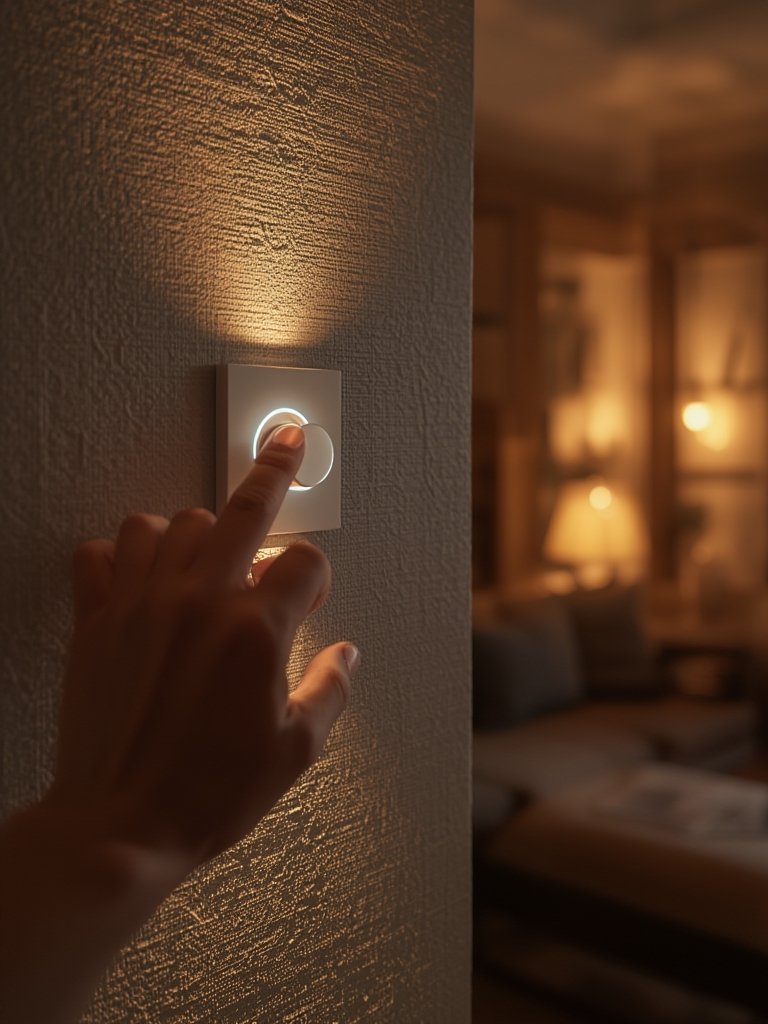
If you want to try puck lights as a fast fix, check out our battery puck lights installation guide — these stick-on, remote-controlled options suit display shelving and hard-to-wire spots, though may lack long-term convenience.
For best overall results, seek “smart closet lights” with wireless controls or app integration for ultimate flexibility. Some premium lines even offer foldable frames, adjustable magnetic mounts, or connectors for linking multiple bars—these features can make lighting seamless across large walk-in wardrobes or multi-level storage areas.
Advanced Analysis: Specs, Shortcomings, and What Competitors Miss
Despite their growing popularity, rechargeable closet lights aren’t perfect. Here are the biggest challenges and smart ways to avoid buyer’s remorse:
Common Pitfalls: What Most Buyers Don’t Realize
- Inconsistent Motion Sensors: Some motion-activated lights are overly sensitive (triggered by hallway movement), while others miss small gestures, especially behind closet doors or in humidity.
- Battery Fatigue: Lower-cost models often lose charge faster after several months, especially under heavy use.
- Insufficient Brightness: Not all bars are created equal — some are too dim for deep closets or large pantries. Lumens ratings, when available, can be the difference between visibility and frustration.
- Flimsy Adhesives or Magnets: Cheap mounting kits may detach in humid or high-touch spaces. For trickier installs, consider under-cabinet lights specifically designed for tough environments, as detailed in our comprehensive under-cabinet lighting guide.
- No App Control or Dimming: Many “smart” products still skip real app connectivity or fine brightness adjustment, so read the fine print if those features matter to you.
Rechargeable vs. Battery-Only: What the Data Suggests
| Feature | Rechargeable LED | Battery-Only LED |
|---|---|---|
| Energy Efficiency | Very High (cycle/lifespan) | High (disposable-dependent) |
| Upfront Cost | Moderate (but long-term savings) | Lower, but recurring battery costs |
| Environmental Impact | Better (fewer disposables) | Worse (battery waste) |
| Ease of Use | Charge occasionally; less hassle | Frequent battery changes |
| Smart Features | Available (motion, app, dim) | Limited (mostly on/off/manual) |
For a wider view, see the battery-operated lights market report, which underscores the growth of mid-priced fixtures that balance innovation and value.
What Most Reviews and Guides Overlook
- Real-world humidity and pantry use: Most online lists skip testing motion sensor reliability in closed or steamy environments — a surprise weak spot that leads to false triggers or dead zones.
- Head-to-head spec and price benchmarks: Few articles provide side-by-side specs comparisons (lumens, battery mAh, detection range) across leading models and brands, leaving buyers with guesswork.
- Ongoing cost transparency: Be clear-eyed that the low sticker price of basic wireless bars is offset by maintenance or battery replacement over time. If you want versatile accent lights, also consider battery-operated candles for mood lighting as part of a layered indoor solution.
Keep in mind: feature lists only tell part of the story — always check real-world reviews for your exact use case.
Conclusion
Rechargeable closet lights are transforming the way we illuminate tight, unlit spaces in our homes, with motion sensors, rechargeable batteries, and intelligent controls now the new standard. To get the best results, research technical specs, test real-world performance, and don’t shy away from mid-tier or premium models for the longest life and fewest future headaches. Whether in a closet, under the shelf, or as part of a full pantry lighting strategy, the right rechargeable closet lights deliver style, sustainability, and daily convenience. Ready to upgrade? Choose the right model with confidence and let modern lighting do the rest.
Want more expert lighting advice? Browse our latest reviews and actionable how-tos for every corner of your home.
FAQ
How long do rechargeable closet lights last on a single charge?
Most quality models last 2–8 weeks between charges, depending on usage frequency, brightness level, and motion sensor activity. Look for cycle life information to gauge durability over time.
Are rechargeable closet lights easy to install?
Yes, most use peel-and-stick adhesives or magnetic mounts for quick, damage-free setup. Permanent screw-mount hardware is available for heavier or high-traffic installs.
Can rechargeable closet lights be used in bathrooms or humid areas?
Many lights function in humid space, but always check the IP rating for moisture resistance. Sensors sometimes struggle in high humidity—test before full installation.
What features should I prioritize when buying a rechargeable closet light?
Focus on USB-C charging, high cycle life batteries, adjustable brightness, and responsive motion detection. Smart integrations or remote controls are valuable extras.
How do these lights compare to solar or wired LED options?
Rechargeable LED bars offer unmatched portability and simple installation versus wired LED strips or solar, which require more planning. Each has advantages for specific scenarios.
—
[…] Make sure you have nearby power, or for wireless/battery options, consider rechargeable closet lights. […]
[…] lights: For quick installs in closets or pantries where outlets are unavailable. See battery-powered LED bar guides for best use […]
[…] that die in days. The right choice lets you brighten kitchen counters without rewiring, optimize closets for visibility, or install accent lighting wherever you need […]
[…] closet installations or walk-in pantries, motion sensor closet lights provide similar ease without […]