

### Blog Post:
battery puck lights are becoming essential for flexible home and commercial lighting, offering simple installation and modern features like smart controls, but new data reveals important trade-offs if you’re considering these lights.
Key Takeaways
- Battery puck lights are a fast-growing market, driven by convenience, DIY use, and a surge in demand for smart, energy-efficient lighting.
- Poor durability and inconsistent battery life remain key complaints, so managing expectations and selecting quality products is crucial.
- Installation is simple, but choosing reliable models and understanding their real-world limitations prevents frustration long-term.
- What Are Battery Puck Lights and Why Are They Trending?
- How to Install and Use Battery Puck Lights Effectively
- Advanced Analysis & Common Pitfalls: What Most Guides Skip
- Conclusion
- FAQ
What Are Battery Puck Lights and Why Are They Trending?
Battery puck lights are small, wireless LED fixtures typically mounted under cabinets, inside closets, or anywhere extra light is needed—without rewiring or drilling. Their popularity is driven by rapid improvements in rechargeable battery tech, consumer desire for hassle-free lighting upgrades, and booming DIY home improvement trends among Millennials and Gen Z. In 2024, the market for smart rechargeable puck lights reached $1.2 billion globally, and battery-operated lights overall are projected to grow at over 6% annually through 2031, with North America leading this trend (Dataintelo; SkyQuestt).
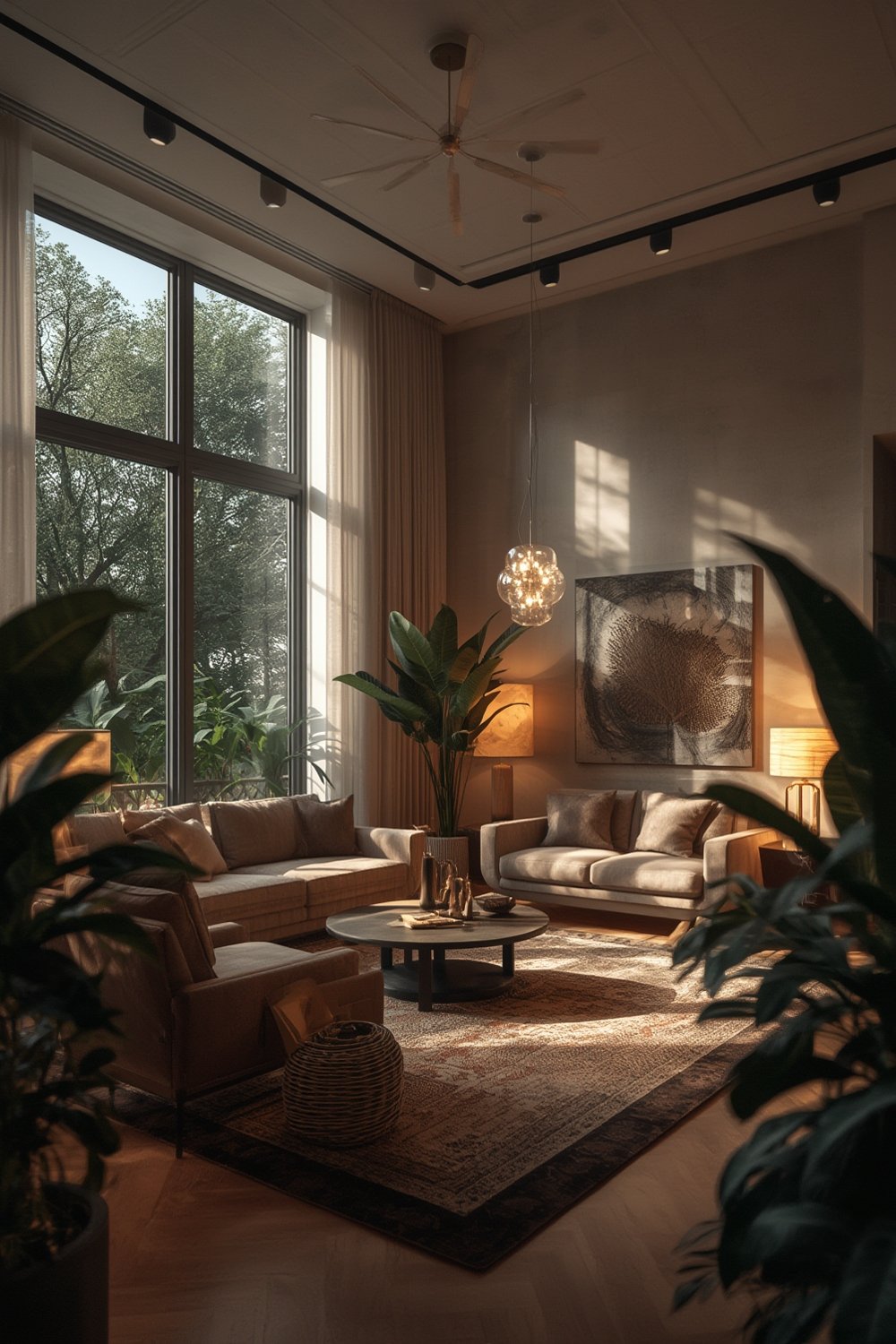
Most battery puck lights use efficient LEDs, stick on with adhesive, and offer extra features like motion sensors or remote control. Usage is especially high in pantries, under shelving, and places where wired lights are impractical. Cost-conscious buyers tend to choose mid-range options; these capture about 40% of purchases, reflecting a strong balance between price and reliability (Reanin).
Smart features are fueling demand, but it’s just as much about practical upgrades—users want better kitchen lighting without rewiring, or fast, portable lights for closets, stairs, sheds, and rentals. Learn more about options in this cabinet lighting guide.
How to Install and Use Battery Puck Lights Effectively
Most battery puck lights offer tool-free installation and intuitive operation. Here’s a realistic, actionable process for getting the best experience:
- Define your purpose before you buy. Will you use the lights in a high-traffic pantry, for mood lighting, or as primary task lighting? This influences which features you need (e.g., motion sensors, dimming, color choices).
- Measure and plan the layout. Mark where you want each light and consider access for battery changes or recharging.
- Prepare the surface. Clean and dry the spot. Many buyers skip this and find their lights slide off after a week.
- Attach using strong adhesive pads or supplied mounts. Push and hold each puck for 10–20 seconds.
- Test the lights before everyday use. Check brightness, motion detection, and see if the remote operates all units as expected.
- Set a reminder for battery replacement or charging. Most models last days to weeks per charge—track this early to avoid outages.
If you want more advanced mood or accent lighting, check out Philips Hue light strips or decorative battery-operated branch lights for elegant alternatives.
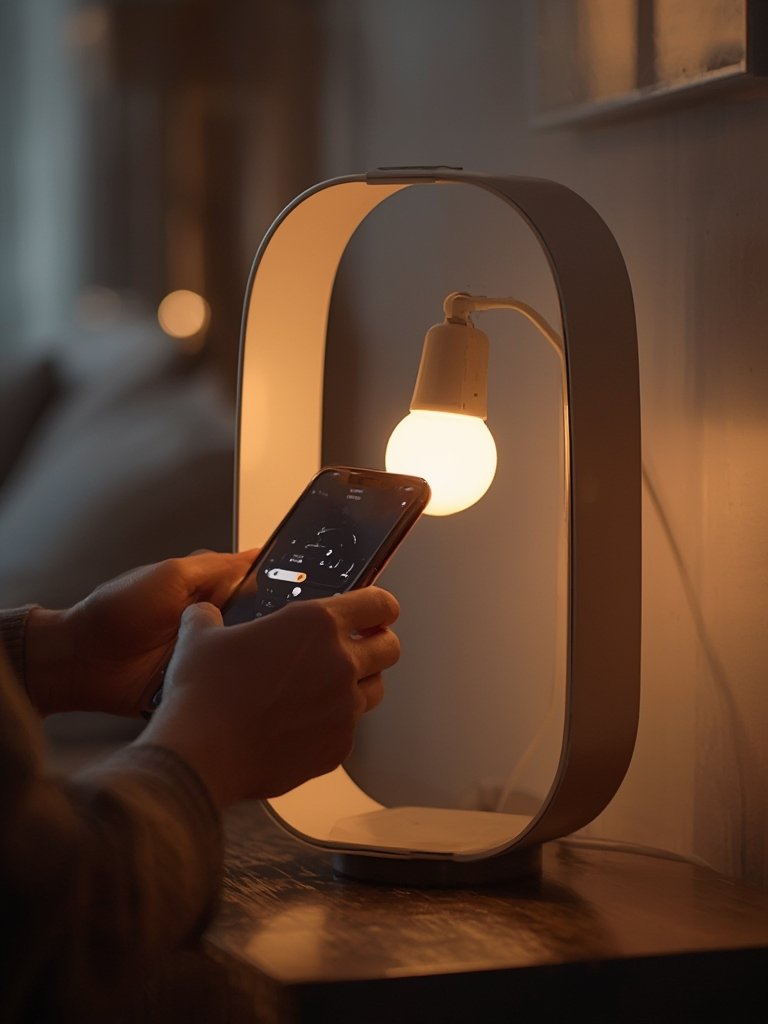
Maintenance is minimal: Recharge or change batteries as needed (typically every 2–8 weeks); wipe down lenses with a dry cloth to maximize brightness and longevity. If you need outdoor, wireless lighting with robust waterproofing, consider solar motion sensor lights instead.
Advanced Analysis & Common Pitfalls: What Most Guides Skip
Behind the convenience, battery puck lights present several pitfalls new buyers rarely expect. Here’s what to watch out for, based on 2024’s latest research and user feedback:
- Durability: Many users report short lifespans—adhesive failure, dim LEDs, and unresponsive remotes are common after 3–6 months. Always vet products and, when possible, choose those with at least a 1-year warranty (Accio).
- Battery life versus brightness: The brighter the light, the shorter the run time. “Lasts for weeks” often assumes infrequent usage; for daily-use pantry lights, prepare for more frequent battery changes.
- Smart integration is basic: While motion sensors and remotes are the norm, direct integration with Alexa or Google Home is rare, and setup is often manual—not automatic (Dataintelo).
- Hidden costs: Replacing AA/AAA batteries can add up quickly for multi-puck sets. Rechargeable models are greener in the long term, but require remembering to plug them in. Disposal of depleted batteries is a sustainability concern not yet addressed by most brands.
- No direct lumen or CRI standards published: Unlike hardwired fixtures, many puck lights skip technical specs like output or color rendering, making true comparisons difficult—especially if you need consistent lighting for kitchens or workspaces.
Compare battery operated and wired alternatives:
| Feature | Battery Puck Lights | Wired Puck Lights |
|---|---|---|
| Installation | Tool-free; no wiring | Requires wiring; may need electrician |
| Brightness | Up to 100–200 lumens typical; no standardization | Often higher; can exceed 200+ lumens per unit |
| Energy Efficiency | LED-based, efficient but battery dependent | LED, efficient, no battery waste |
| Battery Life | Days to weeks; drops with use | N/A (continuous power) |
| Reliability | Varies widely; battery/adhesive issues | High; minimal ongoing issues |
| Smart Features | Common: motion, remote; rare: true smart-home integration | Varies (often greater compatibility in higher-end models) |
| Maintenance | Frequent battery changes/charging | Minimal |
| Sustainability | Improving with rechargeables, but battery disposal not addressed | Less waste (mains powered); recyclable bulbs |
If you want battery lights with advanced dimming, long lifespan, or smart-home quality, check out improvements in adjustable LED pendants or battery-operated candles for inspiration.
Conclusion
Battery puck lights offer a quick, cable-free upgrade for cabinets and closets, with promising growth and more smart features coming every year. But the biggest lesson in 2024: durability and battery life are true weak spots, so invest in quality brands and factor in the real costs of battery replacement and maintenance over time. If your goal is flexible accent lighting, string lights or modern chandeliers may also suit your style. Ready to take the next step? Compare your lighting priorities, set a realistic budget, and make your space brighter—on your own terms—with the right battery puck lights.
Act now: Measure your space, define your needs, and upgrade with confidence. Feel free to visit our detailed cabinet lighting guide for further tips.
FAQ
How long do battery puck lights usually last per charge?
Battery life can range from 2–8 weeks, depending on brightness, frequency of use, and whether you use motion sensors. High brightness or daily use will drain batteries much faster.
Are battery puck lights bright enough for kitchen tasks?
Most can handle accent or task lighting if placed correctly, but wired alternatives offer more consistent and higher brightness levels for demanding tasks.
Can I connect battery puck lights to voice assistants like Alexa or Google Home?
Most current models only offer basic remote or motion-sensor control. True smart-home integration is rare but expected to grow with new models.
What are the best ways to dispose of batteries from puck lights?
Recyclable batteries should be taken to designated battery recycling points. Avoid throwing them in household trash to reduce environmental impact.
Do I need special tools to install battery puck lights?
No special tools are required—most products mount with adhesive or Velcro and are completely wireless. Properly cleaned surfaces ensure the best adhesion.
[…] you want to try puck lights as a fast fix, check out our battery puck lights installation guide — these stick-on, remote-controlled options suit display shelving and hard-to-wire spots, though […]
[…] and don’t forget to check out our latest guides on accent lighting, under-cabinet fixtures, or easy-install puck lighting for even more smart […]
[…] for an alternative to hardwired lighting? Check out battery operated LED branch lights or under cabinet lights with no wiring for quick DIY […]
[…] Puck lights: Best for display cabinets or spot task-lighting. Many are dimmable by remote. […]
[…] Stick-on puck lights: Perfect for closets, shelves, or display nooks. See easy puck light installation tips. […]