

Smart Light Switches vs Smart Bulbs — which is smarter for your home in 2024? If you’re ready to upgrade your lighting, knowing the key differences, costs, compatibility, and real user issues will save you money and frustration.
Key Takeaways
- Smart bulbs lead in easy retrofits and energy efficiency, while smart switches work best for integrated, whole-room control.
- Both systems have hidden costs, installation challenges, and potential privacy/compatibility downsides not often revealed by retailers.
- For renters or first-timers, bulbs are less complicated. For owners seeking full automation, switches offer deeper integration, but typically require some electrical work.
- Understanding Smart Light Switches and Smart Bulbs
- How to Choose: Step-by-Step Setup & Selection Guide
- Advanced Analysis & Common Pitfalls
- Conclusion
- FAQ: Smart Light Switches vs Smart Bulbs
Understanding Smart Light Switches and Smart Bulbs
Smart lighting is transforming homes, making it possible to automate light, save energy, and set scenes with a tap or a voice command. But choosing between smart light switches and smart bulbs is about more than just convenience. It’s about installation, costs, compatibility, and how you want to control your home’s mood. Smart bulbs dominate the market thanks to their energy efficiency (70-90% less power than incandescent) and seamless syncing with virtual assistants like Alexa and Google Assistant. Smart switches, on the other hand, are preferred for whole-room or home automation and can control standard bulbs or fixtures without changing every bulb.
In 2024, the smart lighting market is exploding. It surpassed 21 billion USD globally, with smart bulbs driving the bulk of hardware sales. Still, smart switches are quickly gaining ground—especially where owners want to automate entire spaces, keep aesthetic consistency, or maintain manual control. If you’re interested in energy savings, check these energy efficient light bulbs options.
Choosing wisely requires understanding lifespan, cost, and compatibility. You’ll also want to know how these devices compare for installation, multi-user control, and long-term reliability—factors that often get glossed over in flashy product descriptions. For those looking to maximize electricity savings, our guide to energy saving light bulbs provides more actionable tips.
How to Choose: Step-by-Step Setup & Selection Guide
Picking the right smart lighting solution isn’t just about price or looks—it’s about what works for your home, tech habits, and future goals. Let’s break it all down:
- Assess Your Infrastructure: Do you rent or own? Are you comfortable with wiring? Renters and tech beginners usually do better with smart bulbs, as no tools or wiring are needed.
- Determine Your Desired Control: Smart bulbs are ideal for individual lamps or color customization. Switches control entire fixtures, so you won’t lose manual wall switch operation.
- Check Ecosystem Compatibility: Already use Alexa, Google Home, or Apple HomeKit? Ensure your choice integrates seamlessly.
- Compare Costs: Initial, Ongoing, and Replacement: Smart bulbs are cheaper upfront and offer major energy savings. Smart switches have higher installation and setup costs but can be more cost-effective if you have many bulbs per switch.
- Plan for Installation: Bulbs just screw in. Switches may require a neutral wire and can take 15-30 minutes each to install. Need quick upgrades? Bulbs win. Want full-room automation? Switches may be best.
- Consider Maintenance & Longevity: LEDs last over 15x longer than old bulbs. Bulbs need replacing with every outage; switches, if installed right, rarely fail. For ultimate lifespan, read up on Lutron Caseta Smart Switch setups.
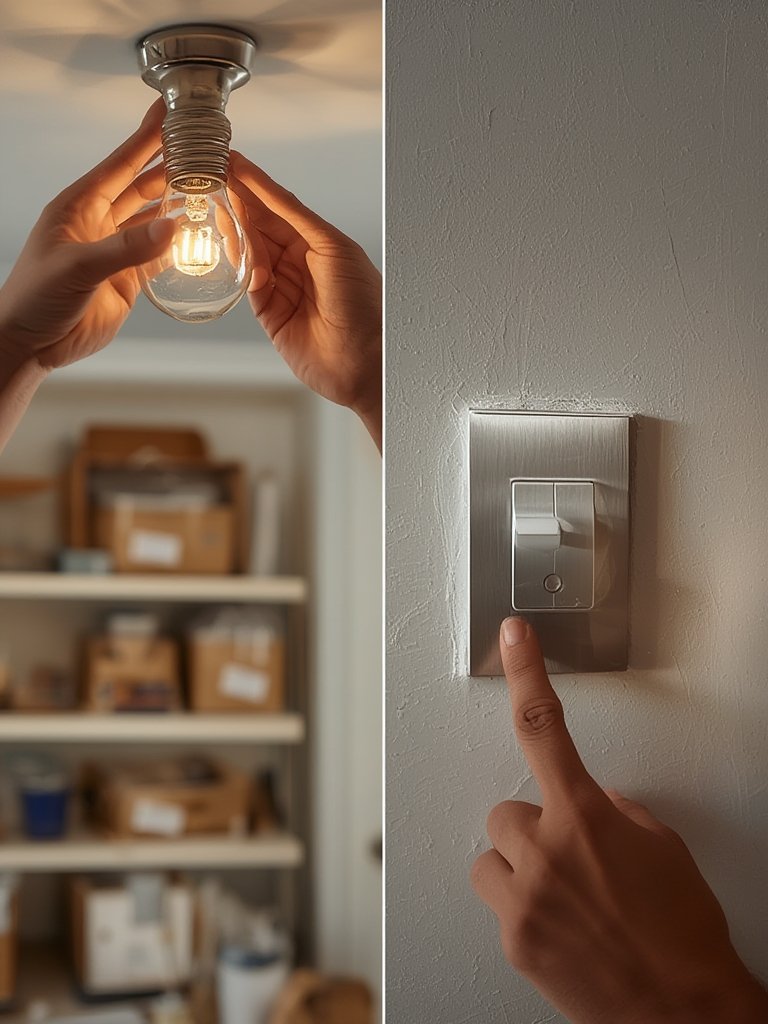
For unique spaces, smart light bulbs can be paired with floor lamps or kitchen island light fixtures for extra flexibility. Prefer hands-off setup? Professional installers note that bulbs are nearly foolproof, while switches may require a licensed electrician, especially for multi-way circuits or older homes.
Advanced Analysis & Common Pitfalls
Making the wrong choice can lead to wasted money and time—or worse, a system you hate using. Here’s what buyers often overlook:
| Feature | Smart Light Switches | Smart Bulbs |
|---|---|---|
| Upfront Cost | Higher per switch, but cost-effective for multi-bulb fixtures | Lower for single lamps, adds up for many bulbs |
| Installation | Requires electrical work, neutral wire may be needed | Simple, screw-in replacement |
| Energy Usage | Up to 30% savings via automation/sensors [source] | 70-90% less energy than incandescents via LED [source] |
| Control | Wall switch + app/voice; controls all bulbs on circuit | App/voice per bulb; wall switch must stay ON |
| Ecosystem Integration | Alexa, Google, HomeKit, SmartThings, Zigbee, Z-Wave, Matter | Alexa, Google, HomeKit (hub may be needed) |
| Maintenance | Rare, unless electrical failure | Bulb fails, must replace (long LED lifespan) |
| Multi-User Control | Easy; all household members can control via switch | App-dependent; can cause confusion with physical switches |
| Privacy/Security | Possible risks via Wi-Fi or cloud services | Possible risks via app access/cloud |
- Installation Surprises: Many switches need a neutral wire—common in newer homes but missing in older structures. If absent, you may need a professional or specialty switch.
- Bulb Compatibility: Smart bulbs don’t work well with dimmer switches; they can flicker or fail. Always check compatibility.
- Ecosystem Lock-in: Some smart bulbs or switches only work fully within one platform. If your system changes, you may lose features or voice control.
- Hidden Costs: For multiple rooms, the price of smart bulbs can skyrocket compared to one smart switch per fixture. However, DIY-friendly bulbs may save on electrician fees.
- Multi-User Confusion: Physical switch states can override app controls—leading to lights that won’t turn on via app if the wall switch is off.
Security and privacy challenges crop up for both types: Wi-Fi products, in particular, may expose personal data if not updated regularly. Don’t forget to read our full market analysis for more detailed pitfalls.
Conclusion
Smart lighting is booming, but choosing between switches and bulbs depends on your setup, willingness to tinker, and long-term plans. Smart bulbs are the clear winner for quick installation, renters, or those wanting colorful scenes. Switches deliver total room automation and are better for integrated, whole-home systems—if you’re okay with the initial effort and cost. Factor in installation needs, energy savings, and compatibility before buying. For more lighting inspiration, browse our guides to Govee outdoor LED lights and personalized LED neon signs. Ready to create your own smart home? Start by comparing your Smart Light Switches vs Smart Bulbs priorities—then take the next step.
Try a smart bulb first for a no-commitment intro, or jump straight to smart switches for big-picture control. Choose wisely—your future convenience (and savings) start today.
FAQ: Smart Light Switches vs Smart Bulbs
Can smart switches and smart bulbs be used together?
Only if the switch is always left on. Many smart bulbs lose power when the physical switch is off. For full integration, consider smart switches with compatible regular bulbs or smart bulbs with standard (non-smart) switches left on.
Which is cheaper to install: Smart light switches or smart bulbs?
Smart bulbs have a lower upfront cost for single fixtures but may cost more in multi-bulb setups. Switches are more expensive per unit but often cover several bulbs at once, balancing costs in larger installations.
Do smart bulbs save more energy than smart switches?
Yes, most smart bulbs use LED technology offering 70-90% energy savings versus old bulbs. However, smart switches can offer up to 30% savings via automation features like scheduling and occupancy sensing.
What are the biggest drawbacks of smart light switches?
They require electrical installation (sometimes professional), may need a neutral wire, and can present compatibility issues with certain bulbs and home automation systems.
Are smart bulbs more reliable than smart switches?
Smart bulbs typically have a long LED lifespan—15x longer than traditional incandescent. However, they are vulnerable to power outages and physical switch state. Switches, once installed properly, rarely need maintenance but can be impacted by system updates or wiring faults.