

rechargeable LED lanterns for power outages have become essential for reliable emergency lighting, but are they really as effective and practical as marketing makes them seem? In 2024, rapid innovation is reshaping what these lanterns can do and how they compare to older, disposable options. If you want a clear, realistic guide—without fluff—on the latest trends, real-world issues, advanced features, and practical buying steps, you’re in the right place.
Key Takeaways
- The market for rechargeable LED lanterns is booming, led by demand for energy efficiency, reliability, and advances in lithium-ion technology.
- Major issues include high initial costs and lack of consistent standards, plus challenges with battery life if infrastructure fails during emergencies.
- Advanced models now offer multi-mode brightness, solar charging, and durability, but real-world user complaints and detailed comparisons are rarely covered.
- What Are Rechargeable LED Lanterns for Power Outages and Why Are They Crucial?
- How to Choose and Use Rechargeable LED Lanterns for Power Outages: Step-by-Step
- Advanced Analysis & Common Pitfalls of Rechargeable LED Lanterns
- Conclusion
- Frequently Asked Questions (FAQ)
What Are Rechargeable LED Lanterns for Power Outages and Why Are They Crucial?
Rechargeable LED lanterns offer portable, cordless light during blackouts and emergencies. Unlike disposable battery lanterns or kerosene lamps, these use efficient LEDs paired with built-in lithium-ion or lithium-polymer batteries that recharge via USB, solar, or AC. Demand for these lanterns is rising, with the global rechargeable light market—including lanterns—valued at USD 9.8 billion in 2024 and projected to grow at 5.4% annually through 2034 (Global Market Insights).
The shift toward renewable, sustainable products is driven by escalating natural disasters and grid failures, especially in North America, which leads the market. New LED lanterns address energy savings, eco-friendliness, and reduced maintenance compared to gas or candle alternatives. The energy efficient light bulbs trend feeds directly into this, as homeowners and businesses seek better, greener alternatives.
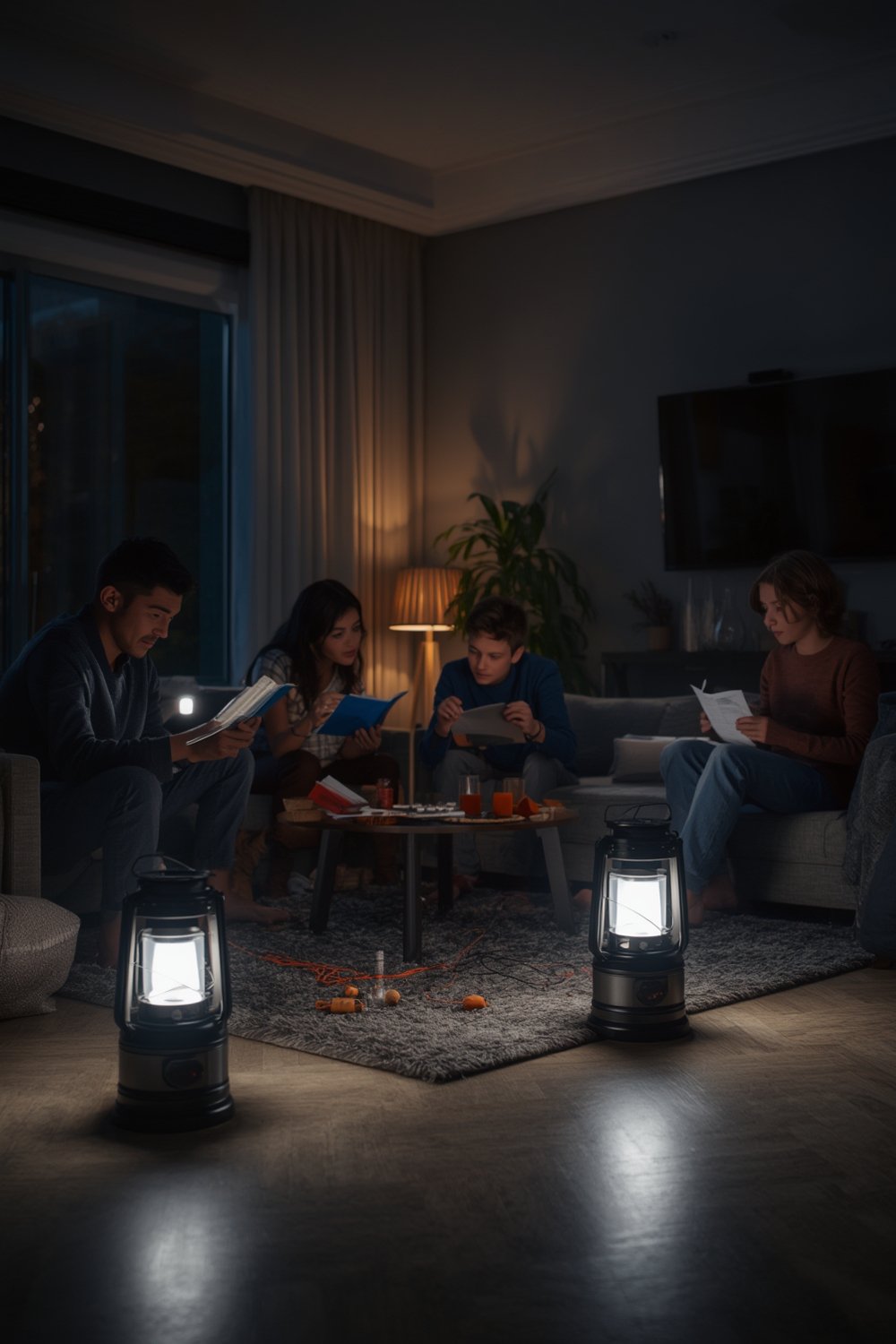
Simply put, rechargeable LED lanterns supply essential lighting when you have no grid power, whether it’s for home safety, medical needs, camping, or commercial property compliance. Their rechargeable batteries mean lower running costs and waste compared to disposables, while modern LEDs provide brighter, safer, more reliable illumination.
When considering upgrades for your home, energy-saving lighting options—including rechargeable lanterns and energy saving light bulbs—should become part of your overall strategy.
How to Choose and Use Rechargeable LED Lanterns for Power Outages: Step-by-Step
-
Assess Your Lighting Needs.
Think about the size and type of space you’ll need to illuminate. For large living areas, higher lumens (500+) and longer battery life (10+ hours) are critical, while bedrooms or hallways may get by with smaller lanterns or LED step lights for safety. -
Choose the Power Source.
USB-rechargeable lanterns are the norm, but some advanced options also offer solar/USB hybrids. For rural or disaster-prone areas, solar/USB hybrids offer insurance if the power grid is out for days. -
Check Battery Specs—Not Just Capacity.
Focus on battery type (lithium-ion is industry standard in 2024), recharge time, and total cycles (300+ good cycles is typical for quality models). Multiple brightness modes help you save battery—look for those features. -
Look for Water and Impact Resistance.
Homes and businesses often face flooding or accidents during blackouts. Choose models rated IPX4 or higher for reliability—you’ll find this same logic when shopping for outdoor LED lights. -
Evaluate Charging Flexibility.
Best practice is to select lanterns that can be recharged via USB, AC outlet, and ideally solar. Some can even power your phone—a massive plus during emergencies. -
Inspect Safety Features and Certifications.
Unfortunately, information about safety certifications for emergency LED lanterns in 2024 is scarce (Technavio). Look for manufacturer claims about overcharge protection, flame-retardant materials, or compliance with regional regulations, and avoid bargain-basement options with no clear labelling. -
Balance Price, Warranty, and Brand Reputation.
High initial cost is a barrier, so weigh upfront price against warranty duration (1-2 years is good) and battery replacement options. There’s little published data on warranty policies, so read real customer reviews where available.
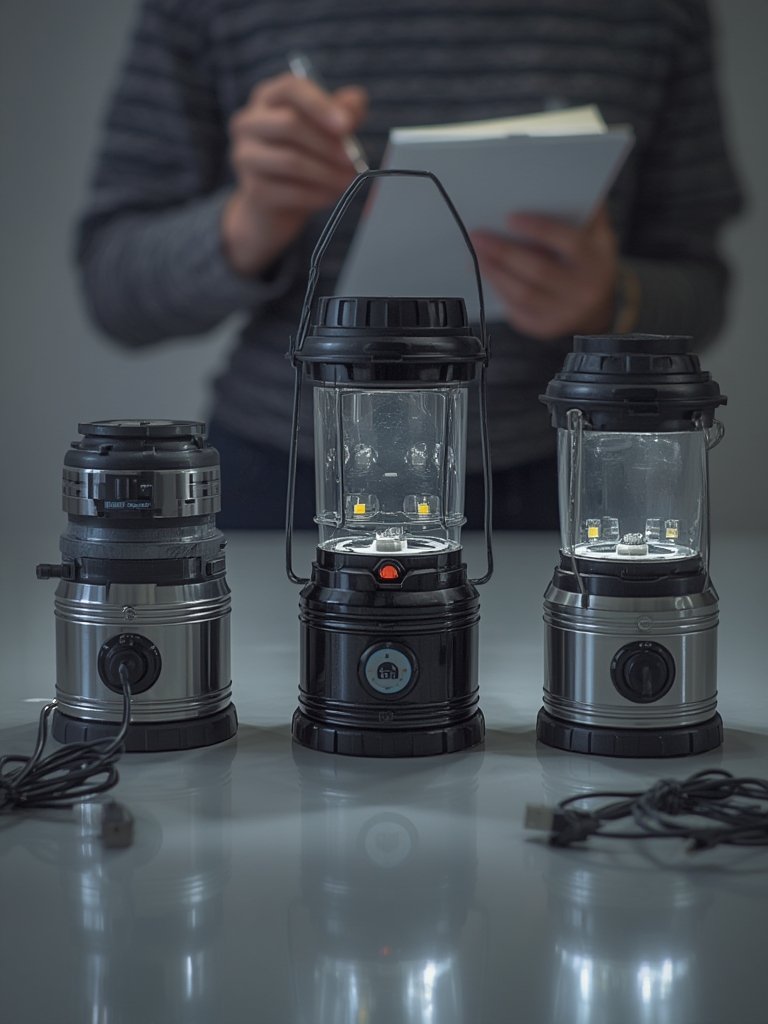
If you’re integrating lanterns into a larger home lighting plan, consider modern fixtures like floor lamps with smart backup bulbs—blending regular and emergency lighting. Modular approaches, such as those seen with smart lighting switches, can help automate outage detection and response, keeping lanterns ready or switching critical lights to battery mode automatically.
Advanced Analysis & Common Pitfalls of Rechargeable LED Lanterns
While manufacturers tout optimized batteries, high lumens, and eco-credentials, several practical challenges remain. Most guides neglect real-world failure scenarios—let’s address them head-on:
- High Initial Cost: Rechargeable LED lanterns still cost more upfront than disposable models. For many, this is a barrier despite the lower long-term cost-per-hour of use (GMI Insights).
- Battery Reliability and Infrastructure: Lithium-ion is robust, but only if kept charged and maintained. In long emergencies without recharging access, dead lanterns quickly become useless unless you have backup charging solutions.
- Lack of Universal Safety Standards: There is no detailed information in 2024 about certification standards or consistent regulations for emergency LED lanterns (Reports and Data).
- Undisclosed Product Variability: Manufacturers rarely share cycle life, actual runtime in high mode, or detailed specifications on recharge time. This can make comparison—and predictions about performance—frustrating for consumers.
- User Complaint Data Lacking: There’s a glaring lack of user-reported failure data for lanterns in real power outages. Top-ranking articles rarely mention lanterns failing just when they’re needed most, or batteries dying after a few blackout cycles.
Below is a comparison of typical features, as synthesized from overall market trends:
| Feature | Rechargeable LED Lantern | Disposable Lantern | Gas/Kerosene Lantern |
|---|---|---|---|
| Battery Life (typical) | 6-50 hrs (adjustable mode) | 4-12 hrs | 5-10 hrs per fill |
| Recharge Time | 2-5 hrs (USB or solar) | Swap AA/AAA batteries instantly | Manual refill |
| Brightness (Lumens) | 100-1200+ | 40-400 | 50-300 eq. |
| Environmental Impact | Low (reusable battery) | High (battery waste) | High (emissions, fuel use) |
| Cost Over 3 Years | Medium (higher upfront, lower ongoing) | High (ongoing battery cost) | High (fuel, maintenance) |
Still, if you want to minimize energy costs for non-emergency use, it’s wise to check the best sleep-friendly light bulbs or even combine solar lanterns with solar patio lights for versatility outdoors.
Conclusion
Rechargeable LED lanterns for power outages offer a realistic solution to modern emergency lighting needs. They blend efficient, adjustable brightness with reusability and flexibility—unlike older disposable or fuel-based models. However, remember to weigh upfront cost against long-term value and reliability, and don’t overlook the lack of universal safety standards when buying. To reliably cover your home or business, keep backup chargers or power banks, and test regularly to avoid battery surprises. Now is an ideal time to invest in rechargeable LED lanterns for power outages—upgrade your emergency kit today and always be prepared for the next blackout.
Ready to make the switch? Research, choose reliable models, and keep your emergency lighting dependable—before the next outage strikes.
Frequently Asked Questions (FAQ)
How long do rechargeable LED lanterns last between charges?
Battery life varies, but most quality models offer 6-50 hours on a single charge, depending on brightness mode. Always check specs for your use case.
Can rechargeable LED lanterns be charged with solar panels?
Many modern lanterns come with built-in solar panels or accept USB input from separate solar chargers. This is especially useful during long-term outages or outdoor use.
Are there certified safety standards for emergency LED lanterns?
Currently, there is no clear, universal safety certification for emergency LED lanterns in 2024. Always look for overcharge protection, flame-retardant materials, and regional compliance where possible.
How much should I expect to spend on a good rechargeable LED lantern?
Prices range widely, but expect to pay $20-$80 for quality models. Features, build quality, and battery capacity are the main factors affecting price.
How often should I test or recharge my lanterns when not in use?
Best practice is to recharge and test your lanterns every three months. Store them partially charged (about 50-80%) to prolong battery life.