

Solar Pathway Lights are transforming outdoor spaces in 2024, offering homeowners an easy, eco-friendly way to illuminate gardens, walkways, and patios—without the hassle of wiring or high electricity bills. Whether boosting nighttime safety or elevating curb appeal, the newest solar lighting trends blend energy savings, durability, and quick installation for any property.
Key Takeaways
- Solar pathway lights are rapidly growing in popularity thanks to lower costs, DIY installation, and their role in sustainable landscaping.
- Most products offer easy setup, but performance can suffer in extreme temperatures or poor weather if not chosen wisely.
- Selecting the right water resistance rating and understanding limitations can significantly increase the longevity and reliability of your outdoor lighting investment.
The Core Concept: Why Solar Pathway Lights Are Gaining Momentum
Solar pathway lights are small, self-contained lighting units designed to outline walkways, gardens, and outdoor spaces. They use built-in solar panels to harvest sunlight by day and automatically illuminate when it gets dark. Their appeal lies in affordability, quick installation (no wiring), and low maintenance, making them ideal for homeowners looking to spruce up curb appeal or boost safety.
In 2024, the solar path lights market has seen dramatic growth. Valued at USD 1.2 billion this year, projections expect it to almost triple by 2034, thanks to advancements in solar and LED tech, as well as surging demand in smart city and residential applications. [Source] The surge is especially strong in Asia Pacific, while North America shows the fastest growth thanks to renewable investments and government incentives.
For more on energy-efficient indoor options, see Energy Efficient Light Bulbs and Energy Saving Light Bulbs.
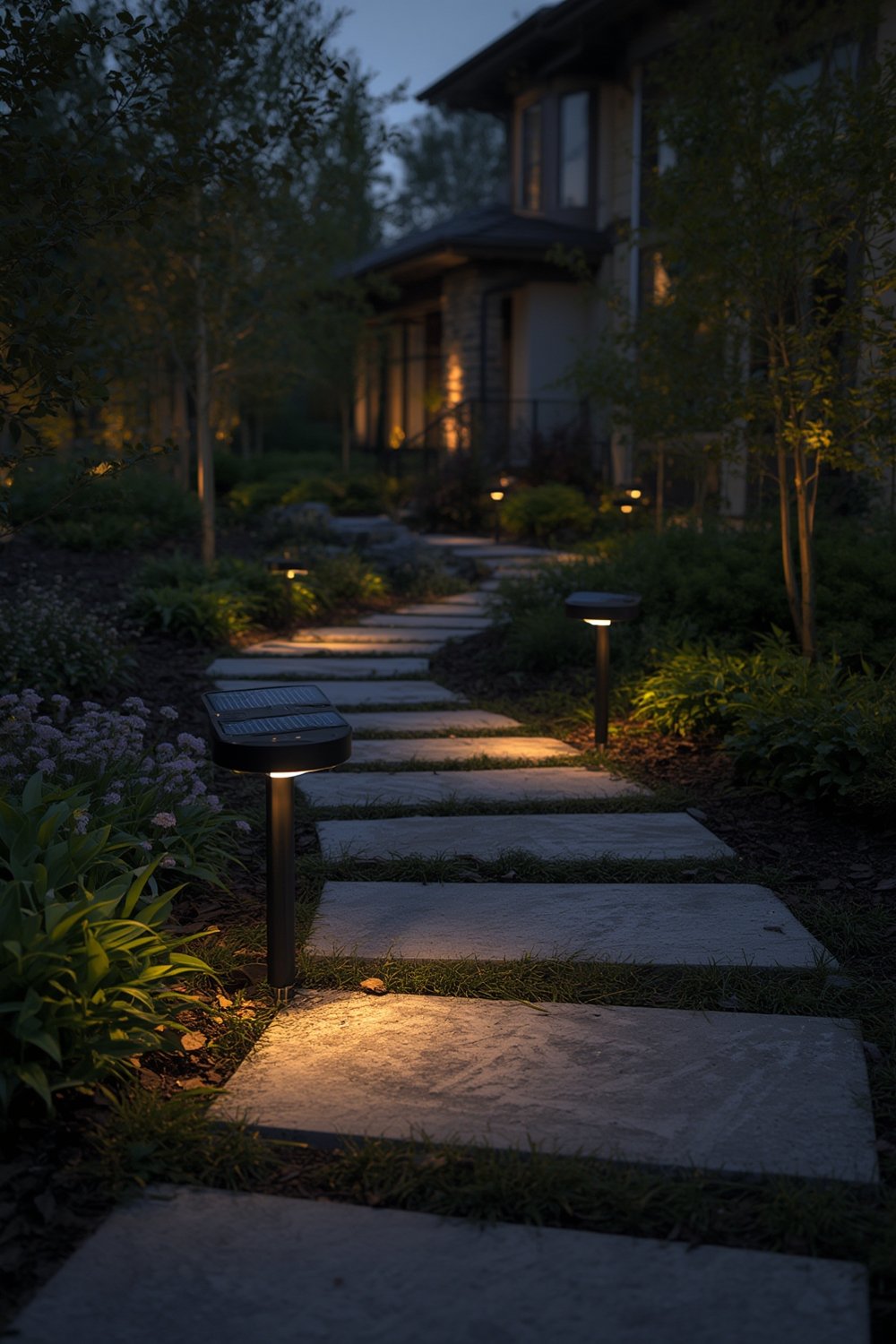
Step-by-Step Guide: Installing and Maximizing Solar Pathway Lights
Installing modern solar pathway lights is a straightforward DIY project that can make a dramatic difference. Here’s how to get it right from start to finish:
-
Plan Your Layout:
Map your pathways, garden borders, driveways, or patios. Decide how many lights you need and the optimal spacing (typically 6 to 8 feet apart for even coverage). Use flags or markers for initial placement. -
Choose the Right Product:
Ensure you select lights with adequate brightness (lumens), durable material, and a minimum water resistance of IP65 or above for outdoor reliability. For higher-risk areas (heavy rainfall or snow), consider IP67 or above for enhanced protection. -
Prepare the Location:
Remove obstructions and clean the ground. Solar panels need direct sunlight for best performance, so avoid shaded spots. -
Install the Stakes:
Push each light’s stake firmly into the ground. For hard terrain, pre-soften the soil with water or use a small shovel. -
Activate and Test:
Switch each light on and let them charge for a full sunny day. Check performance after dark and adjust placement if needed. -
Maintain and Clean:
Every few weeks, wipe panels with a damp cloth to remove dust and ensure optimal charging. Inspect seals after heavy storms.
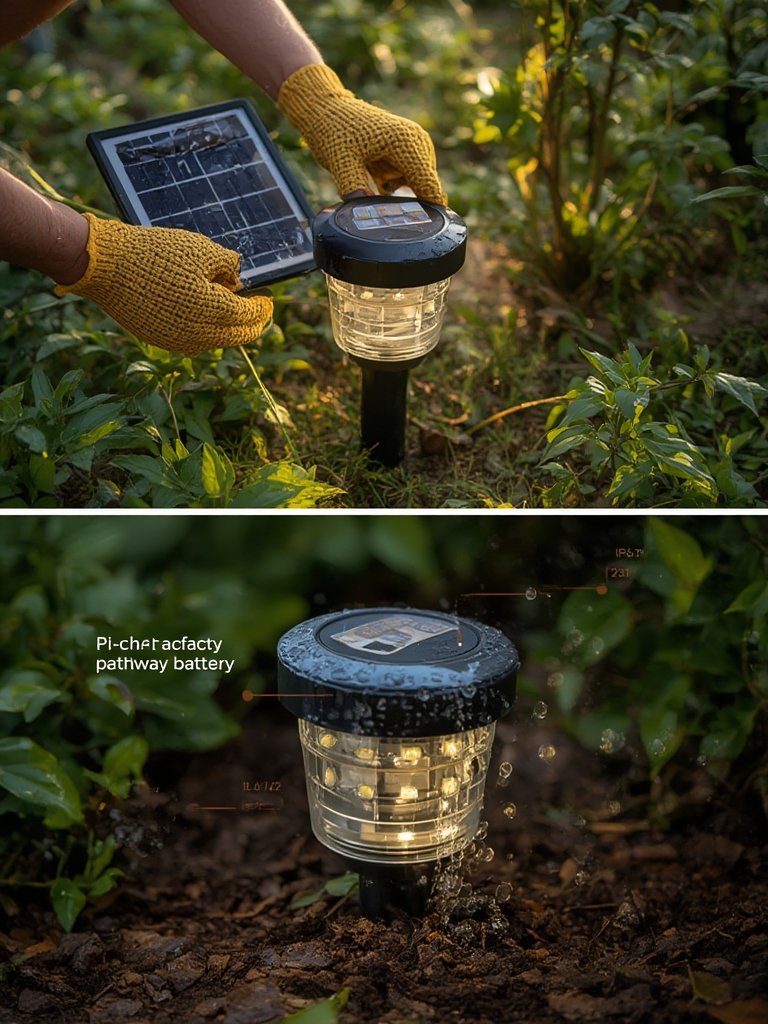
Looking for more creative outdoor solutions? Check out Solar Motion Sensor Flood Light for added security, or Solar Patio Lights to make your evenings sparkle.
Advanced Analysis & Common Pitfalls
While solar pathway lights are simple to install and operate, real-world performance can be affected by several issues. Here are the most common pitfalls and how to work around them:
- Underperforming in Low Sunlight: In shaded areas or during long stretches of bad weather, solar panels may not store enough energy. This leads to dim lights or shorter run times. Choose units with larger battery capacity or use detachable solar panels for more exposure.
- Water Intrusion: Many homeowners mistakenly believe all “waterproof” lights are equal. Entry-level models often have minimal sealing (IP44 or lower), risking water damage in heavy rain or snow. Always opt for IP65 or higher for reliable year-round use.
- LED Heat Sensitivity: Outdoor solar lights with poorly managed heat dissipation may see reduced brightness or shortened lifespan, especially in hot climates. This is a growing concern as more powerful LEDs are adopted.
Refer to this Technavio report for more. - Loose Installation or Shifting: Shallow placement or unstable soil can cause lights to tilt or become uneven, especially after storms. Use deeper stakes or consider models with stabilizing bases.
- Battery Degradation: Rechargeable batteries lose efficiency over years. Plan to replace them every 1–2 seasons for consistent results.
| Feature | Standard Models (IP44/IP54) | Premium Models (IP65/IP67+) |
|---|---|---|
| Water Resistance | Basic rain/splash protection | Full rain, jets, and some submersion |
| Performance in Winter | Occasional failures | Reliable in snow and heavy rain |
| Average Lifespan | 1–2 years | 3–5 years or more |
| Upfront Cost | Lower ($) | Higher ($$) |
It’s worth noting that, despite rapid market growth, there is currently no significant innovation in waterproofing materials, with most improvements centered on battery capacity and overall LED efficiency. For larger scope or city-scale lighting, see external overviews on the solar lighting system market and integration with smart infrastructure.
If you’re seeking more specialized lighting ideas for other parts of the home, try Floor Lamps or high-style Kitchen Island Light Fixtures.
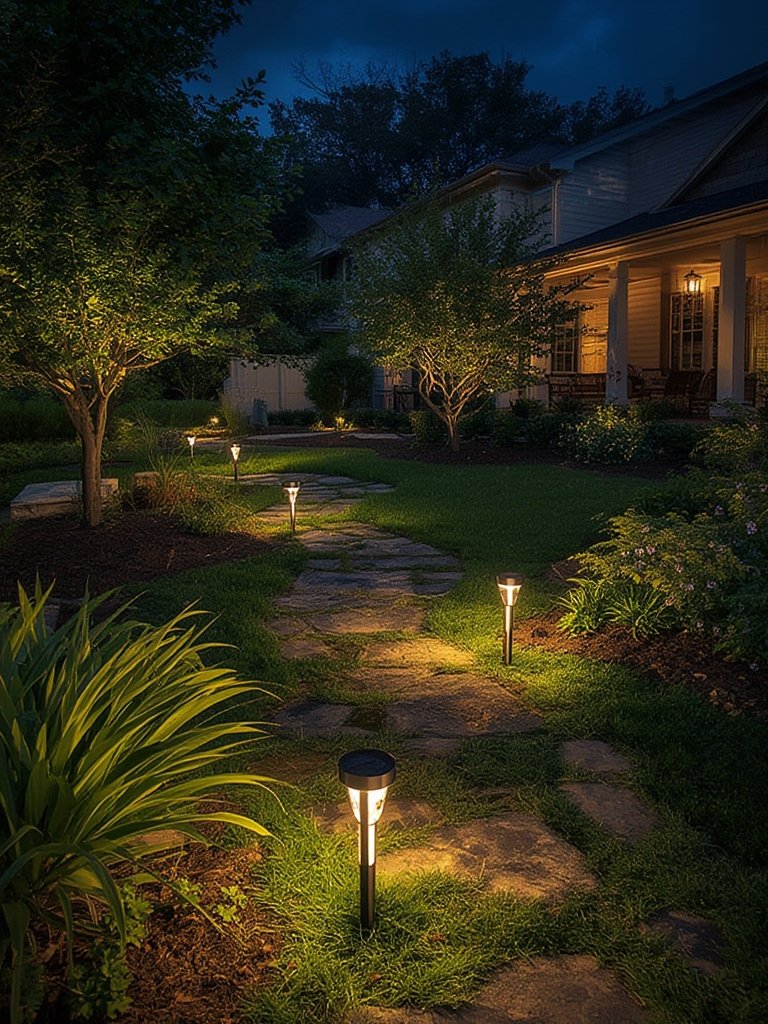
Conclusion
In summary, solar pathway lights deliver a powerful blend of energy savings, quick installation, and environmental benefits in 2024. With rising market growth fueled by smart tech and consumer demand, these lights are here to stay. For best results, invest in models with at least IP65 water resistance and periodic battery maintenance to stretch your dollar. If you want easy, reliable landscape brilliance, Solar Pathway Lights remain the most accessible entry point for any homeowner looking to upgrade their outdoor space.
Ready to enhance your nightscapes? Choose quality solar pathway lights today—and see your yard in a whole new light.
FAQ
Are solar pathway lights bright enough to light up my walkway?
Most modern solar pathway lights provide enough brightness to mark paths and accent features, but brightness varies by model and installation. For maximum visibility, look for lights rated at 100 lumens or higher.
How long do solar pathway lights usually last?
Quality models typically last 2–5 years. Battery replacement and regular cleaning can extend their lifespan. Cheaper lights with less water resistance may fail sooner, especially in tough climates.
What happens if the area is shaded or cloudy?
Lights in shaded or cloudy areas may not charge fully, resulting in shorter illumination times. For these cases, use models with larger solar panels, detachable panels, or consider supplemental battery-powered options.
What is the difference between IP65 and IP67 water resistance?
IP65 protects against water jets from any direction, making it suitable for most rainstorms. IP67 offers higher protection, including brief submersion, so it’s ideal for areas prone to flooding or very heavy rain.
Do I need to hire an electrician to install solar pathway lights?
No. Solar pathway lights are designed for DIY installation and require no wiring. Just place the staked units in the ground and allow them to charge.