

Modern ceiling LED lights are transforming how we illuminate our homes and businesses, bringing energy savings, long-lasting performance, and striking designs into every room. Whether you’re upgrading an old fixture or designing a new space, understanding the facts behind modern ceiling LED technology can help you make smarter choices—and avoid common pitfalls—when buying or installing your next lighting upgrade.
Key Takeaways
- Global ceiling LED light sales are expected to surpass $77 billion by 2035, fueled by growing demand for energy efficiency and style.
- There are hidden challenges with installation, compatibility, and actual operating costs that most resources fail to address in depth.
- Choosing the right ceiling LED requires more than market hype—understanding technical specs and real-world issues prevents costly mistakes.
- What Are Modern Ceiling LED Lights? (And Why Choose Them?)
- How to Choose and Install Modern Ceiling LED Lights
- Deeper Analysis: Pitfalls, Problems, and Smart Comparisons
- Conclusion
- Frequently Asked Questions
What Are Modern Ceiling LED Lights? (And Why Choose Them?)
Modern ceiling LED lights use light-emitting diodes to deliver bright, even, and stylish illumination in living rooms, kitchens, bedrooms, offices, or commercial settings. Unlike older fluorescent or incandescent ceiling lights, LEDs use far less electricity, last for years, and enable creative designs from flush mount disks to dramatic chandeliers.
If you’re invested in lowering energy bills, getting rid of frequent bulb changes, or just wanting a sleek aesthetic, installing modern ceiling LED lights is a sound investment. They’re especially beneficial in multi-room upgrades, kitchen island lighting, and larger commercial projects where lighting costs and maintenance really add up.
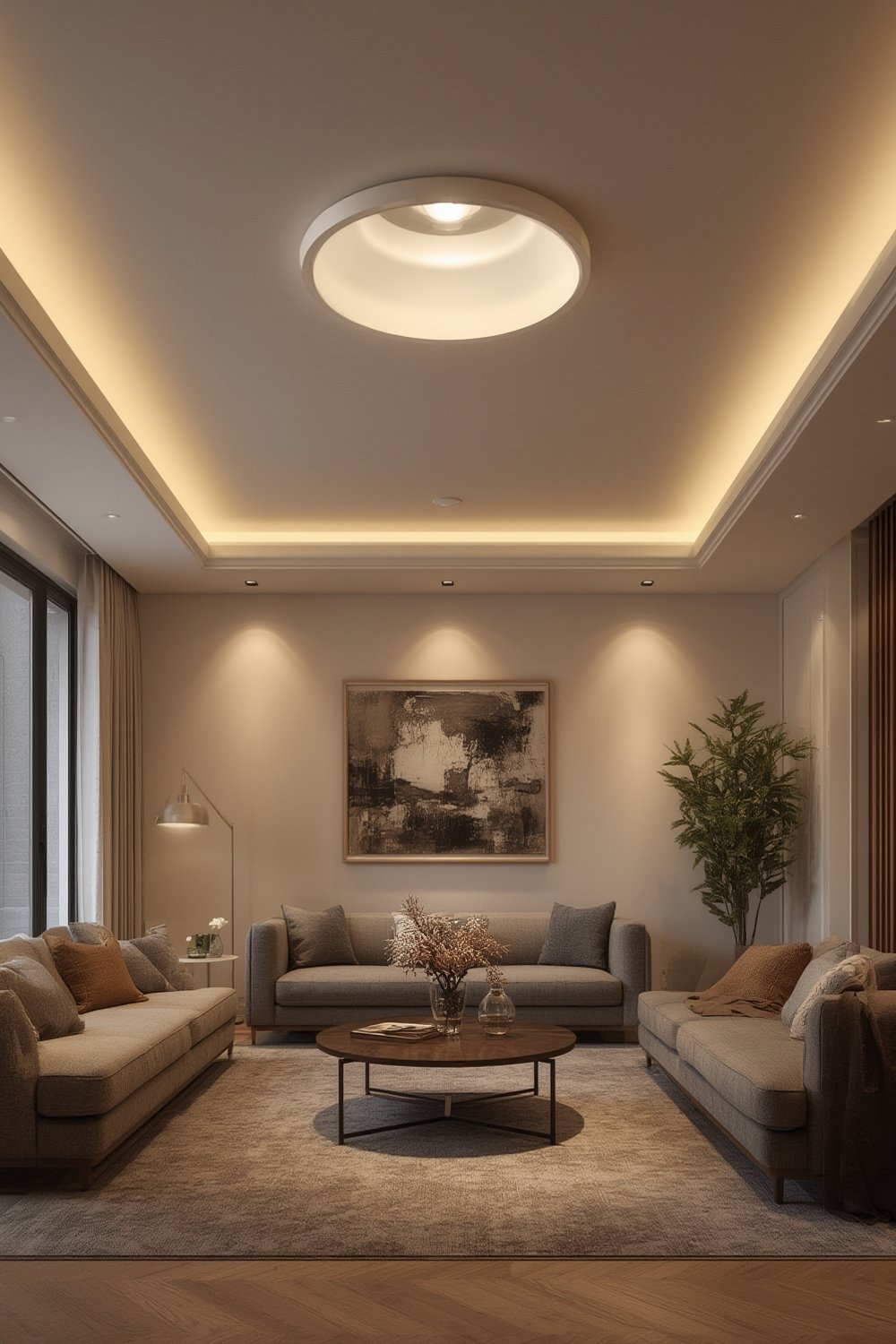
Current market analysis shows the global ceiling light market—including LED models—is expected to reach $77.21 billion by 2035, boosted by homeowners and businesses alike. Interest in energy saving is only rising—explore more in our guide on energy efficient light bulbs if you want simple ways to cut costs.
Design options are exploding, too, with trends in kitchen island light fixtures and statement LED chandeliers driving high Google search interest. But before you follow the hype, it pays to dig deeper into what makes an LED ceiling light worth your investment.
How to Choose and Install Modern Ceiling LED Lights
Whether you’re DIY or hiring a professional, these steps will help you select, purchase, and install modern ceiling LED lights with fewer hassles and better, lasting results.
- Measure Your Space and Desired Brightness (Lumens)
– Calculate square footage and decide the total lumens needed. For example, a typical 12×12 ft bedroom may need 1500–3000 lumens for comfortable ambient light.
– Most modern ceiling LED lights display their lumen output on the box or product specs. - Select the Right Color Temperature
– Warm white (2700-3000K) offers cozy vibes perfect for bedrooms and living spaces.
– Neutral/cool white (4000-5000K) boosts focus in kitchens, bathrooms, or offices.
– Note: If you prefer flexibility, seek out tunable or color-changing LED options. - Match Your Style and Mount Type
– Floor lamps or contemporary floor lamps can pair with ceiling LEDs for layered lighting.
– Choose flush mount disks for low ceilings, semi-flush for more depth, or dramatic pendants/chandeliers for high ceilings. - Check Compatibility (Ceilings, Wiring, Dimmers)
– Identify your ceiling type—flat, sloped, or vaulted.
– Confirm your existing wiring and standard junction boxes are up to code.
– If using smart switches like Lutron Caseta, ensure your chosen LEDs are compatible. - Install with Safety
– Turn off power at the breaker box.
– Use manufacturer instructions, and never exceed wattage or mounting limitations.
– If uncertain, hire a qualified electrician for wiring and testing. - Fine-Tune Controls and Enjoy
– Program dimmers, smart switches, or color modes.
– Check for flicker, buzzing, or inconsistent light—address issues immediately.
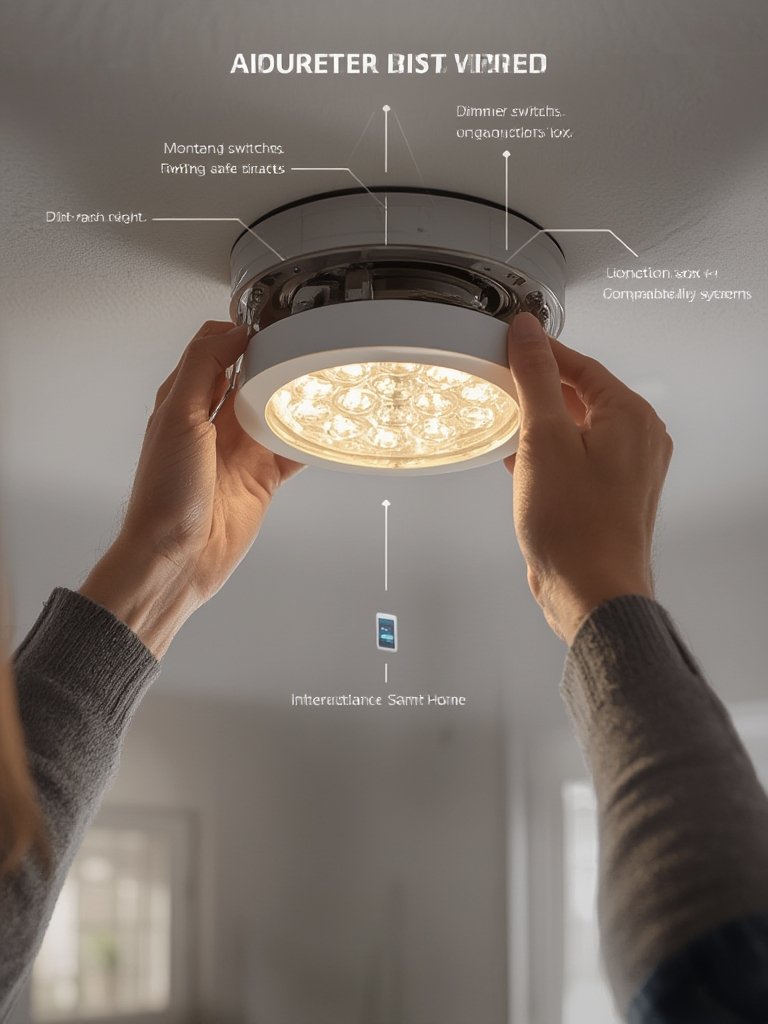
Installation steps might sound straightforward, but pay attention to bolt pattern sizes and fixture weights—newer integrated LED lights are often lighter, but always double-check mounting hardware for safety and code compliance.
If you’re looking for multi-room upgrades, combine ceiling LEDs with LED step lights for added safety in hallways, or use smart devices to create adaptive routines throughout your home.
Also, consider energy-saving routines—timers, motion sensors, and careful placement can extend lighting efficiency and lower your bills further. See our energy saving light bulbs guide for even more proven energy-reducing tactics.
Deeper Analysis: Pitfalls, Problems, and Smart Comparisons
While ceiling LED lights offer incredible promise, not every installation is perfect. Here’s a breakdown of major pitfalls, technical limitations, and a comparison of LED vs. traditional ceiling options based on latest market research.
User-Reported Problems
- Compatibility Gaps: Many dimmable LED ceiling lights are not compatible with older standard dimmer switches, leading to flickering, buzzing, or failure to turn on.
- Installation Surprises: Some fixtures require special junction boxes or mounting kits not included in the box. This can delay projects and increase installation costs.
- Real-World Performance: LED claims of “50,000 hours” lifespans depend on ventilation and installation quality—heat buildup inside flush-mount fixtures can reduce real service life by 20 percent or more.
- Color Consistency: Inconsistently manufactured LEDs may show slight color or brightness variations between fixtures, which becomes obvious in large, open layouts.
- Lack of Transparency in Specs: Leading manufacturer product pages often omit key details: specific wattage, tested lumens, or true color rendering ratings.
Market and Technical Comparison Table
| Feature | Modern Ceiling LED | Traditional Ceiling Lighting (Incandescent/CFL) |
|---|---|---|
| Initial Cost | Higher (but decreasing yearly) | Lower upfront |
| Operating Cost | Lower (up to 80% less energy) | Much higher |
| Lifespan | 15,000–50,000 hours | 1,500–8,000 hours |
| Common Issues | Dimmer incompatibility, heat buildup, occasional flicker | Frequent bulb replacements, high heat output |
| Color Options | Tunable, wide range of whites and RGB | Limited (mainly warm or cool white) |
Gaps in Available Information (Compared to High-Ranking Competitors)
- No strong user data on complaints or common failures for specific flush mount or energy saving ceiling LED models.
- Manufacturer specs rarely compare the actual brightness (lumens) and energy draw (watts) between brands like Philips, Osram, and GE for the same ceiling scenarios. The market analysis confirms this lack of transparency.
- Most competitor content skips real installation and purchase cost breakdowns compared to traditional ceiling lights. For a clearer picture, our energy saving bulbs guide explains long-term ROI models.
Studies confirm ceiling LED market adoption in China, India, North America, and Europe, with rising e-commerce sales, but little real-world data on energy bill impacts is available. Homeowners should use bill tracking apps to see real monthly savings and not just rely on generic efficiency claims.
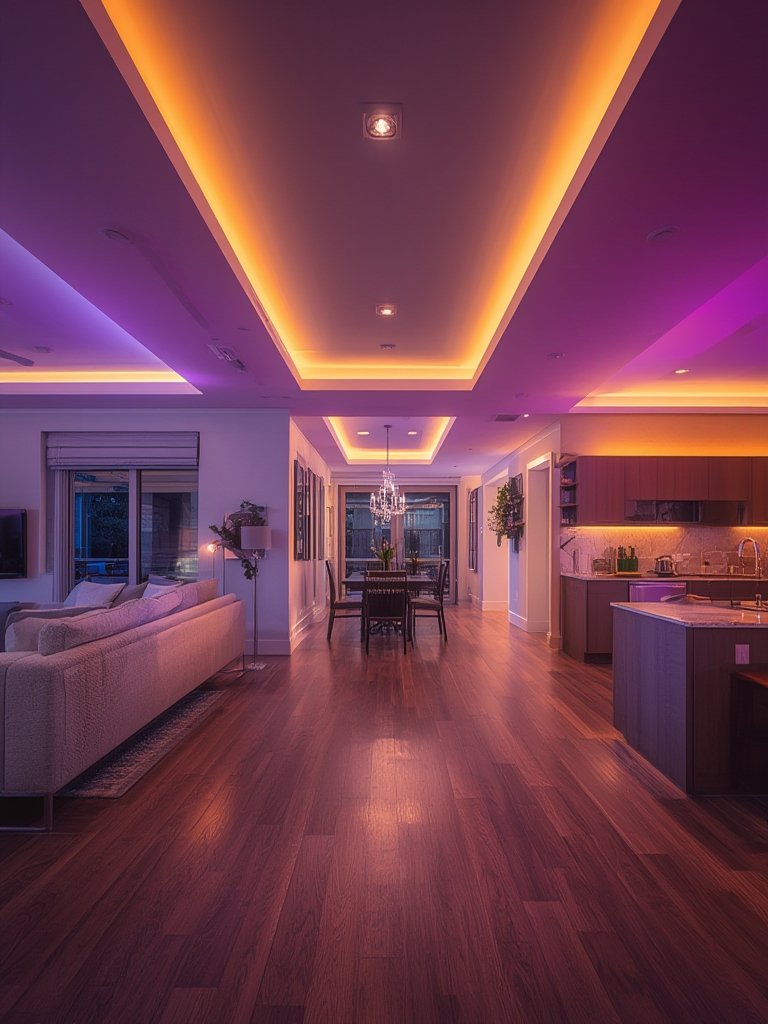
Advanced projects might explore custom LED signage or outdoor Govee LED lighting for more ways to play with LED ambiance inside and outside your home. If you focus on kitchen lighting, don’t miss our research-driven picks for kitchen island pendant lights that coordinate beautifully with ceiling LEDs.
Conclusion
Modern ceiling LED lights deliver more than good looks. The right model cuts energy use, increases reliability, and opens new options for room design—but only when you understand real-world installation, compatibility, and performance limitations. To get the fullest return on your investment, take time to check specs, match your hardware, and learn from both market statistics and user experiences. For more on smart energy choices, explore our other guides and always prioritize quality over hype when shopping for modern ceiling LED lights for your home or business.
Ready to make your next lighting upgrade? Use the steps above to avoid pitfalls, and check our proven energy-saving tips to maximize your results!
Frequently Asked Questions
What are the main advantages of modern ceiling LED lights over older fixtures?
They use far less electricity, last much longer, run cooler, and offer customizable color and design options compared to incandescent or CFL ceiling lights.
Can I use modern ceiling LED lights with a regular dimmer switch?
Only if the LED is labeled as “dimmable” and your dimmer is designed for LEDs. Otherwise, flickering or buzzing may occur. Always match products for compatibility.
Are there hidden costs in switching to ceiling LEDs?
Initial purchase and installation costs are higher, but over time, you save on energy bills and maintenance. Potential extras include compatible dimmers or new mounting kits for some models.
What should I do if my ceiling LED light flickers or buzzes?
Check for dimmer compatibility first. Replace incompatible dimmers and ensure all wiring and fixture mounts meet manufacturer guidelines.
How do I safely install a flush mount LED ceiling light?
Always cut power at the breaker, follow the supplied instructions, use proper mounting hardware, and call a licensed electrician if unsure about wiring or weight limits.