

Floor lamps and standing lamps are more than just decorative accents; they play a crucial role in balancing brightness, elevating mood, and improving functionality in your living space. If you’re striving for the right mix of style and efficiency with your living room lighting, this comprehensive guide breaks down exactly what you need to know—and what most reviews leave out.
Key Takeaways
- Floor lamps impact mood, visibility, and decor; select based on technical specs, not just looks.
- LED floor lamps deliver unmatched efficiency, adjustability, and long-term value for most homes.
- Height, lumen output, and functional features matter as much as design—get these right to avoid regrets.
- What Makes Floor Lamps a Smart Investment?
- How to Choose the Right Floor Lamp: A Practical Guide
- Advanced Analysis & Common Pitfalls
- Conclusion
- FAQs
What Makes Floor Lamps a Smart Investment?
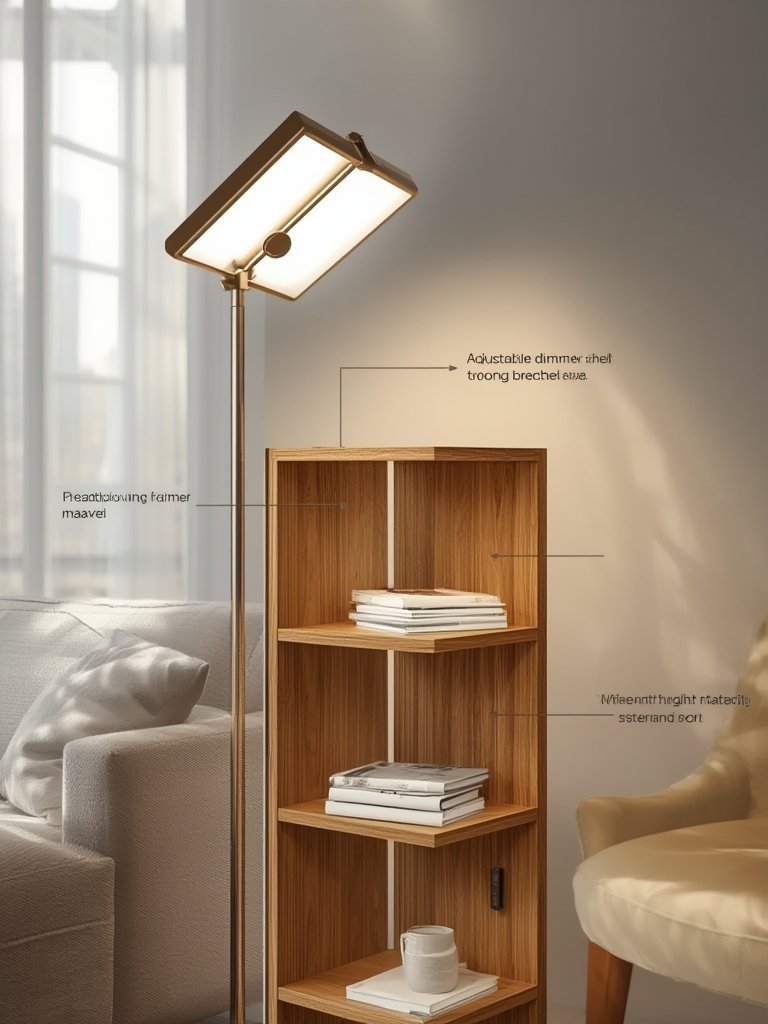
Floor lamps and standing lamps fill essential gaps left by overhead and wall lighting, especially in living rooms and apartments where fixtures are limited or ceiling lights create glare. Their portability lets you overhaul the look and function of a room without renovation. Modern options can provide task, ambient, or accent lighting, all while blending with your decor and maximizing floor space—especially models with integrated shelves, USB charging, or dimmers.

The right floor lamp improves comfort, focus, and decorating flexibility. For example, an adjustable LED floor lamp with shelves makes reading easier, highlights art, and lets you charge devices, all with lower energy use. Not sure which style or tech to pick? Learn from real technical standards rather than guesswork—most homes need far more focused illumination than typical standing lamps provide out of the box. Choosing well means less eye strain and a space that feels as inviting as it looks.
For broader inspiration, see our guide on modern living room lighting, which covers layered lighting approaches for a cozy, stylish effect.
How to Choose the Right Floor Lamp: A Practical Guide
Selecting the best floor lamp is more technical than most retailers admit. Here’s how to decide, step by step:
-
Decide the Lighting Function: Do you need general (ambient), focused (task), or accent lighting?
- Ambient: Spread light evenly for daily living.
- Task: Reading, hobbies, or work zones need extra brightness (minimum 800 lumens per lamp).
- Accent: Highlight art, décor, or architectural features.
-
Match Height to Room Size:
- Standard 8-foot ceilings: Select lamps 58–64 inches tall.
- Taller ceilings: Choose lamps up to 76 inches for proportion.
- Seated position: Lamp shade bottom should be just above eye level to avoid glare. [Source]
-
Choose Brightness Wisely:
- Ambient: Target 20–30 lumens per square foot.
- Task: 50–75 lumens per square foot, especially for detailed work or reading.
- Consider floor lamps with dimmers for full flexibility. [Source]
-
Pick the Right Bulb:
- LED: Highly efficient, long-life, cool or warm colors, safest for homes. Slightly higher upfront cost but lowest maintenance.
- Halogen/CFL/Incandescent: Cheaper initially, but less efficient, shorter life, or create more heat (be cautious with kids or pets).
For more on LED advantages, see our modern standing lamp trend analysis.
-
Evaluate Smart and Adjustable Features:
- Look for touch or remote dimmers, compatibility with smart assistants, shelves, chargers, and switch types that suit your lifestyle.
- Corner and minimalist floor lamps are popular in small apartments. Review top options in our modern floor lamps buyer’s guide.
-
Strategic Placement:
- Plan for one floor lamp per 100 square feet of space. Grouping floor and table lamps with staggered heights will provide layers of light with fewer dark corners.
- Choose shelf-equipped lamps for multi-tasking in tight living areas. See more minimal lighting ideas for small apartments.
If you want to dive deeper into how color temperature impacts mood, be sure to read our guide on adjustable color temperature in lighting, as well.
Advanced Analysis & Common Pitfalls
Not all floor lamps deliver as promised. Ignore marketing fluff—these are the problems real users face when choosing floor or standing lamps for living rooms:
- Underpowered Lighting: Many mass-market lamps are rated under 800 lumens and barely light up a corner. You may need more lamps, stronger bulbs, or additional sources for decent brightness.
- Troublesome Height: Lamps that are too tall or short relative to ceiling height cause glare or look awkward in your space. Use the recommended height for style and function.
- Poor Build Quality: flimsy shelf lamps may wobble, loosen, or fail to hold real weight. Check reviews or inspect in person for shelf integrity before committing.
- Limited Adjustability: Fixed-head models can’t be aimed, making them less useful for reading or accent applications.
- Compatibility Hiccups: Some dimmers don’t play well with all bulbs, and not every “smart” model works with all assistants or apps. Verify before buying.
| Feature | LED Floor Lamps | Halogen/CFL/Incandescent |
|---|---|---|
| Energy Use | Best—low cost over time | Higher; more electricity waste |
| Color Choice | Warm/cool available; adjustable models common | Limited to bulb type purchased |
| Lifetime | 10,000–25,000+ hrs | 1000–3000 hrs |
| Dimming | Excellent with right lamp/bulb | Not always possible/smooth |
| Safety | Cool to touch; best for families/pets | Can get dangerously hot (halogen, incandescent) |
Want a deep dive on shelf, accent, and smart lamp integration? Explore more in our in-depth market trends article.

Some popular models lack disclosure on shelf weight or connection stability—always check independent reviews and, if possible, test out the lamp before committing. Remember, dramatic design is less important than getting lumens, color temperature, and flexibility right for your living style.
Conclusion
The best floor lamps and standing lamps are those that address your layout, lighting needs, and style—all while saving energy and lasting for years. Follow this technical, step-by-step approach to avoid common buying mistakes and enjoy stress-free lighting upgrades. Unsure where to start? Revisit our practical guides above or browse trending minimal lighting tips for any space.
Remember: carefully chosen floor lamps and standing lamps can instantly transform your living room, boost comfort, and save energy when you pay attention to height, brightness, features, and long-term value. Ready to make your next lighting purchase smarter? Check out our reviewed picks and compare styles today.
FAQs
How many floor lamps do I need for a standard living room?
Plan for one floor lamp per 100 square feet of living space. For a 250 square foot living room, two to three floor lamps are usually ideal for balanced, layered lighting. [Source]
Are LED floor lamps always better than traditional types?
LED floor lamps excel in efficiency, safety (cool to touch), and flexible color options, making them the best long-term value for most households. Halogen or incandescent lamps may have a warmer glow but cost more to run and don’t last as long. [Source]
What’s the ideal height for a floor lamp in a room with 8-foot ceilings?
The best range is 58–64 inches. This keeps the shade at or just above seated eye level to minimize glare and maximize lighting efficiency. [Source]
Can floor lamps with shelves really hold much weight?
Most floor lamps with shelves are designed for lightweight objects like books, plants, or decor items. For heavy items, confirm with the seller or check user reviews since most brands don’t publish specific weight limits.
Can I turn a basic standing lamp into a smart lamp?
Yes. Add a WiFi-enabled smart plug, then control the lamp via app or voice assistant. For true dimming, pair with a smart bulb and compatible dimmer. For more smart lighting upgrades, see our smart light control guide.