

### Blog Post:
LED step lights and stair lighting solutions are transforming how homeowners and designers create safer, more attractive stairways. In 2024, these lighting solutions do more than just improve visibility—they blend energy efficiency, advanced tech, and user-friendly design with essential safety benefits for families, seniors, and anyone seeking modern, reliable stairway illumination.
Key Takeaways
- LED step lights deliver improved safety, modern aesthetics, and notable energy savings for indoor staircases.
- Demand is rising for smart features like motion sensors, tunable white LEDs, and home automation compatibility.
- Choosing the right installation method and technical specs is crucial to avoid common pitfalls and maximize longevity.
- LED Step Lights and Stair Lighting Solutions: What You Need To Know
- How To Plan and Install LED Step Lights: Step-by-Step
- Advanced Analysis & Common Pitfalls
- Conclusion
- Frequently Asked Questions
LED Step Lights and Stair Lighting Solutions: What You Need To Know
LED step lights are specialized fixtures designed for stair risers, treads, or walls to highlight each step and unlit pathway. Their primary goals are simple—reduce trip hazards at night and upgrade the look of both modern and traditional interiors. With the stair lighting market projected to reach USD 2.7 billion by 2033, homeowners are clearly seeing more value in these solutions.
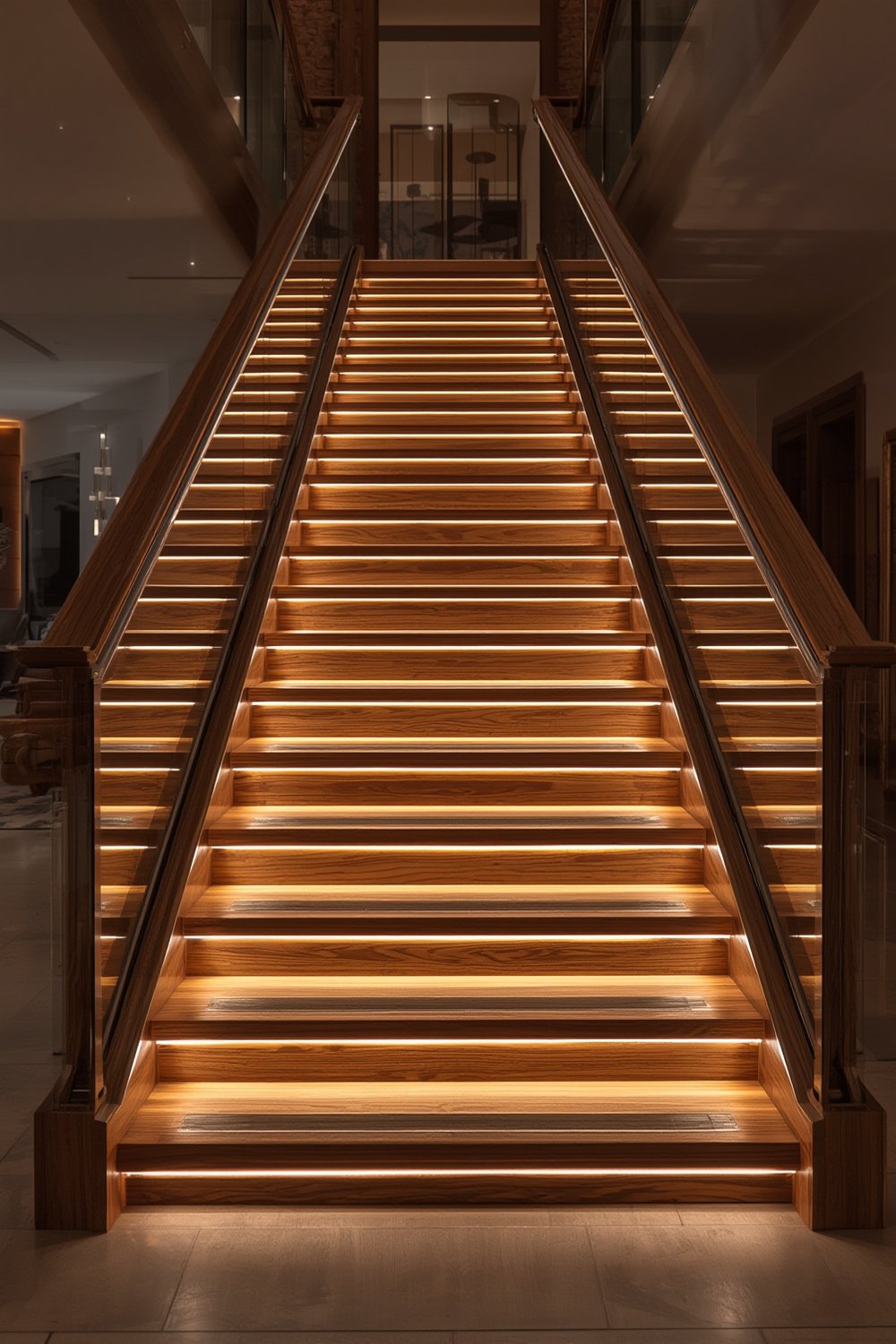
In 2024, LED step lights have evolved from basic safety products to smart, aesthetic tools. Options now include motion sensor step lights, color-changing LED kits, and smart controls that sync with Alexa, Google Assistant, or Apple Home. Trends also favor energy savings, thanks to the low power consumption and long lifespan of LEDs. For those wanting best-in-class home upgrades, motion sensor step lights and stair lighting kits deliver both beauty and peace of mind—especially for households with young children or elderly family members.
Smart features are increasingly popular. Some of the newest kit options offer tunable white LEDs so users can adjust the warmth or coolness of their lighting, letting you set a cozy mood at night or a crisp, energizing tone during busy mornings. Integrations with smart home platforms mean your stair lights can turn on with routines or voice commands, addressing a growing consumer desire for automated, hassle-free solutions.
How To Plan and Install LED Step Lights: Step-by-Step
Installing LED step lights can seem complex, but breaking it into actionable steps makes the process much easier, even for DIY beginners. Here’s a practical workflow for indoor stair lighting:
-
Assess Your Staircase and Electrical Setup
Decide if you’ll use battery-powered, plug-in, or hardwired step lights. For retrofits, wireless and motion sensor lighting, like many smart stair lighting kits, are a top pick as they require no new wiring and minimize installation hassle. -
Plan Light Count and Placement
Place a fixture on every step or every other riser, depending on staircase length and light intensity. For continuous under-tread illumination, measure your stair width carefully. Reference guides like the neon flex strip tutorial for creative design inspiration or ideas for difficult curved stairs. -
Select LED Type and Features
Choose tunable white LEDs if you want to customize color temperature. If your family needs lights that only turn on as needed, opt for motion sensors. Check compatibility with existing smart home systems for automation or voice control. See smart LED strip lights for ideas on dynamic color options and app-based control. -
Install with Minimal Damage and Mess
For stick-on or wireless lights, clean the mounting surfaces thoroughly. Use strong adhesives or trusted mounting kits (and avoid placements exposed to accidental kicks). If hardwiring, plan cable runs to avoid visible wiring—seek professional help for mains connections. -
Test Full System Before Final Mounting
Connect everything and test in low-light conditions to ensure uniform coverage and proper step highlighting. If there are dark spots or glare, reposition as needed. Troubleshoot using LED channel guides for cable management and glare control. -
Program and Set Schedules (If Smart)
For smart systems, set up automation such as dusk-to-dawn timers or motion-triggered routines via your home app. Make sure your system integrates with your preferred smart speaker or control platform for maximum usability.
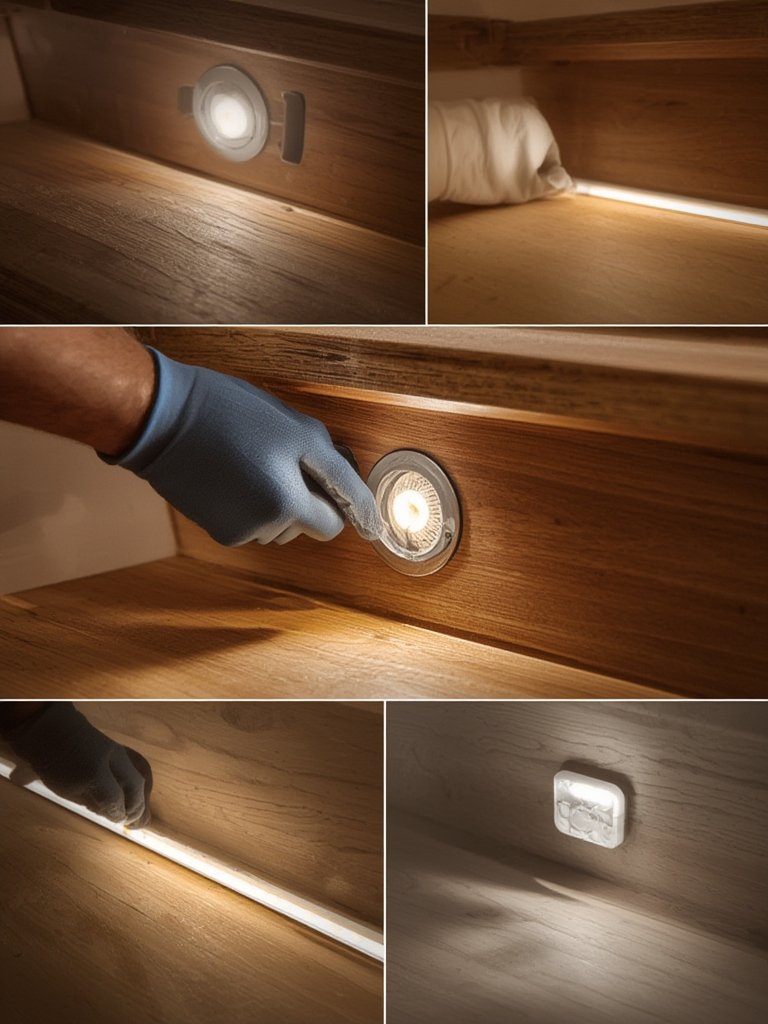
Always keep manufacturer instructions handy and double-check wattage and voltage requirements. Low-voltage LED kits are safer and easier for most indoor steps, but always confirm specs before installation.
If color accuracy or dimming is essential, consider premium indoor LED strips such as Philips Hue smart strips, which offer advanced app control and proven reliability for layered lighting setups.
Advanced Analysis & Common Pitfalls
While LED step lights and stair lighting kits are often marketed as quick, easy upgrades, real-world installations reveal several nuanced challenges. Here are common pitfalls—and how to avoid them:
- Uneven Light Distribution: Inconsistent fixture placement leads to dark spots or harsh shadows. Always map exact install points and consider using diffuser channels or continuous strips for even coverage.
- Weak Adhesion or Poor Mounting: Many battery step lights lose adhesion quickly, especially on textured or dusty surfaces. Choose mounting hardware over adhesives for long-term durability, especially in homes with kids or pets.
- Short Battery Life or Difficult Access: Wireless models with small batteries may need frequent changes. For high-traffic stairs, consider rechargeable lights, like those in under-cabinet guides, or hardwired installations for zero maintenance.
- Compatibility Issues with Smart Systems: Not all “smart” stair lights are compatible with every home automation hub. Double-check for support of Alexa, Google Assistant, HomeKit, or Matter standards before purchase, following the Matter smart lighting guide.
- Insufficient Brightness or Overly Harsh Light: Underpowered models might be too dim for safe navigation, or too bright for comfort at night. Look for tunable white or dimmable step lights for better adaptability.
| Feature | Standard Kits | Smart/Tunable Kits (2024) |
|---|---|---|
| Motion Sensors | Optional, limited range | Built-in, adjustable sensitivity & schedules |
| Color Temperature | Fixed (warm or cool white) | Tunable (2700K to 6500K+) |
| Integration | Standalone or basic RF remote | App control, voice assistants, smart routines |
| Energy Efficiency | High, but basic | Optimized, adaptive brightness |
| Installation | Simple, but may look DIY | Clean, pro appearance with hidden channels |
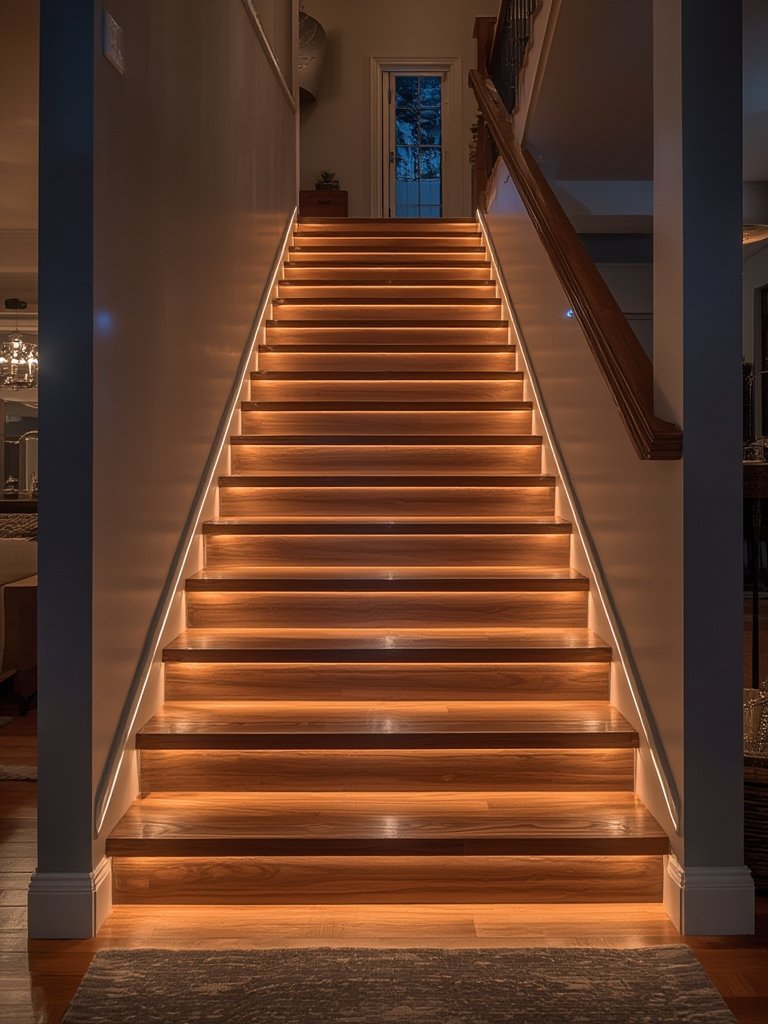
On the innovation front, the latest 2024 stair lighting kits may feature tunable white LEDs, long-life LED chips, and seamless home automation support—though specific leading brands are not cited in broad industry research (source).
Conclusion
If you want to enhance safety, functionality, and modern style in your home, LED step lights and stair lighting solutions remain a flexible, energy-efficient answer. Choosing the right stair lighting kit may seem complicated, but with smart planning and some inspiration from expert guides, anyone can find a solution tailored to their needs. Don’t underestimate the impact: LED step lights and stair lighting solutions turn risky, underlit stairs into showpieces, blending style and smart automation for any home. Ready to start your stair upgrade? Explore both wireless and smart-controlled options to fit your budget and aesthetic—your next step is a brighter, safer one.
Frequently Asked Questions
Are LED step lights easy to install for beginners?
Yes, many modern kits are designed for DIY use. Stick-on, battery-powered, or plug-in models usually require no wiring or special tools. For hardwired step lights, a professional electrician is recommended.
What is the best placement for stair lights?
The most common placements are along stair risers or under stair treads. For even illumination and safety, install a fixture on every step or alternate steps for long stairways.
How do I avoid uneven lighting or shadows on my stairs?
Plan your layout before final installation. Use diffusers or continuous COB LED strips for smooth, dot-free light, and choose placements that avoid direct glare in the eyes.
Can I add smart features to older stair lighting?
Yes, many new stair lighting kits include retrofit-friendly motion sensors and app controls. Some even work with existing smart home platforms for schedules and automation.
Is it worth investing in tunable white or smart RGB stair lights?
If you want to personalize your space or automate routines, tunable white and RGB kits are worth the investment. They offer flexibility in mood, color temperature, and home integration beyond basic lighting.