

Solar garden lighting is rapidly transforming how homeowners illuminate and decorate their outdoor spaces while saving energy. In 2024, innovations, a booming market, and sustainable trends are making solar pathway lights and garden LEDs more practical for every climate and budget.
Key Takeaways
- The global outdoor solar LED lighting market reached nearly $10 billion in 2024 and is projected to see explosive growth through 2030.
- Solar garden lighting offers flexibility and long-term savings—but performance depends on sunlight, quality, and local climate.
- Planning, maintenance, and realistic expectations are essential for reliable nighttime lighting and long-term satisfaction.
- Understanding Solar Garden Lighting for 2024
- Step-by-Step: How to Buy and Install Solar Garden Lights
- Advanced Analysis & Common Pitfalls
- Conclusion
- Frequently Asked Questions
Understanding Solar Garden Lighting for 2024
Solar garden lighting uses integrated solar panels to convert sunlight into energy, storing it in onboard batteries to power LEDs after dark. These fixtures are now a preferred solution for walkways, flowerbeds, patios, and landscapes where running electrical wiring is impractical or costly. Explosive demand is driving rapid improvements in performance, reliability, style, and affordability.
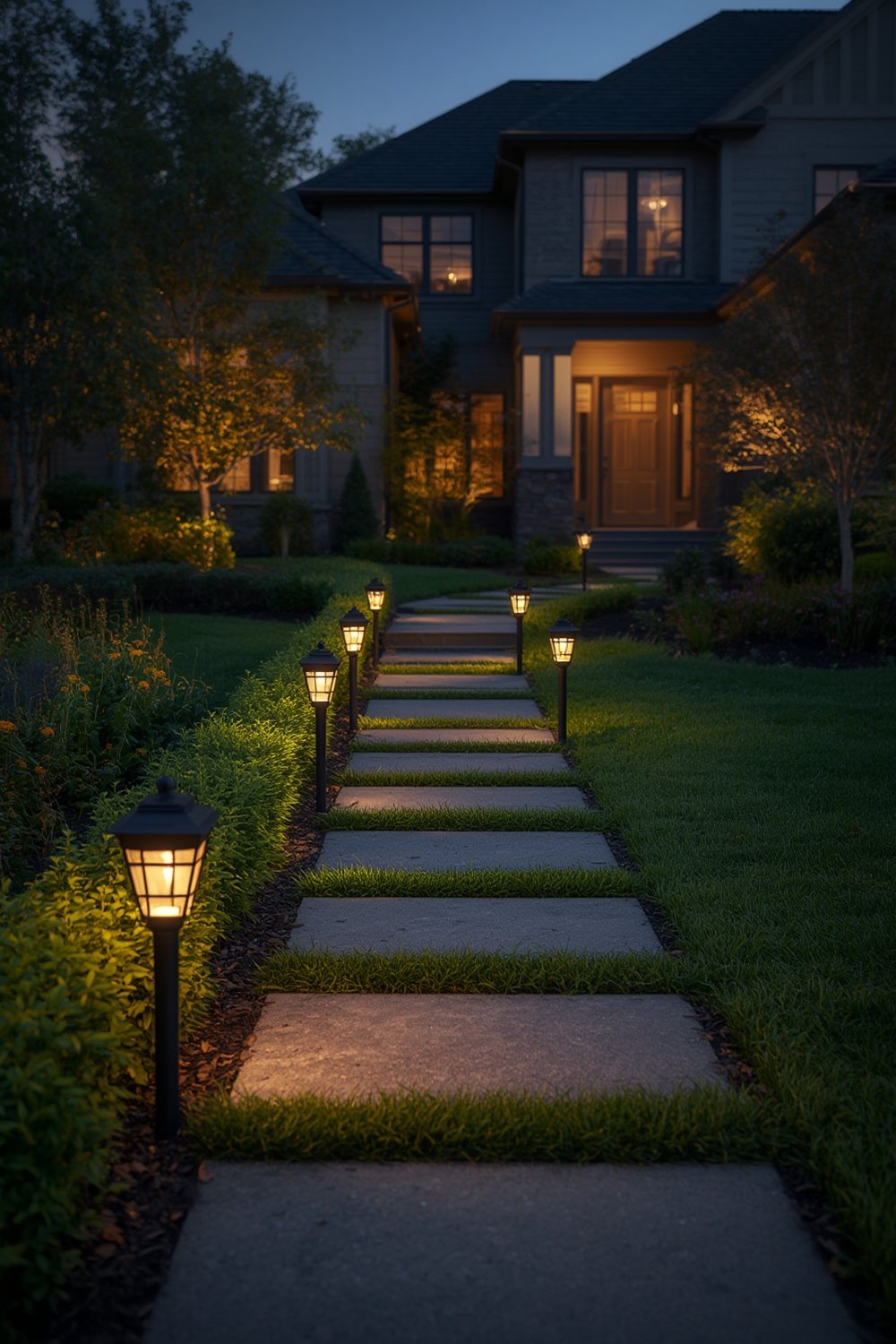
According to industry analysts, the global outdoor solar LED market reached nearly $10 billion in 2024, with Asia Pacific accounting for over 46% of revenue led by strong adoption in China and India (Grand View Research). Market experts project a 25-27% compound annual growth rate (CAGR) through 2032—meaning even better products and selections are on the horizon. The solar garden lights segment is expected to be the fastest-growing due to surging residential demand and improved cost-effectiveness (Maximize Market Research).
But does every yard or pathway get perfect results? Not always. Successful solar lighting depends on sun exposure, fixture quality, local weather, and realistic maintenance. Let’s break down how to make solar work for your property.
Step-by-Step: How to Buy and Install Solar Garden Lights
- Analyze Your Lighting Needs: Walk your property at dusk and list key areas needing light for safety (paths, stairs), ambiance (flowerbeds), or security (driveways, entries).
- Check Sun Patterns and Shade: Observe which spots receive at least 6-8 hours of direct sunlight—avoid placing solar fixtures under dense trees or along north-facing walls.
- Budget and Product Research: Decide how many lights you need. Compare specs like lumens output (brightness), battery life, charging time, weather resistance (IP ratings), size, and finish.
- Choose the Right Products: For full sun and open areas, consider lights with higher lumens (80+ per fixture). For accent or mood, lower output is fine. Prioritize better battery (2000+ mAh) and high IP65/IP68 waterproofing for exposed locations.
- Plan Your Layout: Sample potential placement before making small holes or adjustments. Most solar pathway lights simply push into soil, but heavy-duty fixtures may need stakes or surface mounting.
- Install and Test: Place lights, clear solar panels, and let them charge for 1-2 sunny days before expecting full brightness. Check at night and fine-tune angles as needed.
- Ongoing Maintenance: Wipe dust and snow off panels, trim overgrowth, and inspect for water ingress or damage every few months. Replace rechargeable batteries every 1-2 years if output declines.
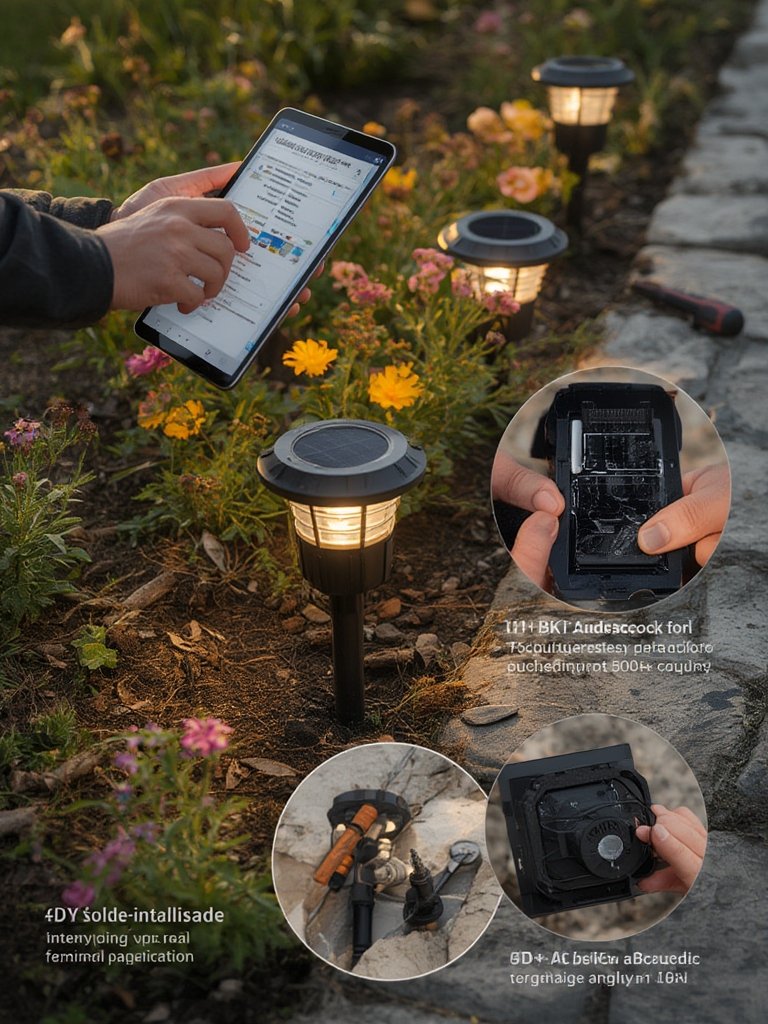
Upgrading to smart solar fixtures with integrated motion sensors can further improve efficiency—lighting only when movement is detected. See our guide on Aootek Solar Motion Sensor Lights for outdoor security tips. Pairing solar path and garden lights with premium waterproof spotlights ensures long-lasting results even during rainy seasons.
Advanced Analysis & Common Pitfalls
While solar garden lighting is increasingly reliable, users face key challenges. Here’s an honest look at problems and how to anticipate them:
| Factor | Potential Problem | How to Solve |
|---|---|---|
| Limited Sunlight | Lights dim early or don’t run through the night | Choose higher-capacity batteries; supplement with plug-in LEDs or position fixtures in sunnier spots |
| Poor Quality Fixtures | Water leaks, faded solar panels, or malfunction after a season | Invest in products with IP65/IP68 ratings and known brands; check real customer reviews |
| Battery Decline | Run time gradually decreases after 1-2 years | Replace rechargeable batteries with higher-quality cells |
| Wrong Placement | Lights blocked by foliage, property walls, or decor | Install where panels face south and receive max sunlight |
| Winter Performance | Shorter days mean much less light output in cold climates | Reduce spacing, combine with mains-powered LEDs |
| Maintenance Neglect | Panels get dirty or blocked; output drops suddenly | Add light cleaning and angle checks to your seasonal chores |
It’s important to have realistic expectations for runtime, especially in shaded yards or northern locations. Not all solar garden lighting is created equal—cheaper fixtures may lack weather-sealing, causing electrical problems after the first storm or freeze. Top-tier products, like the NYMPHY premium solar spotlights, typically feature rugged waterproofing and long battery life for more reliable results.
Need more control over your landscape ambiance? Layer lighting styles by adding outdoor string lights or smart RGBWW LED strips like the Philips Hue Lightstrip for patios and entertainment zones.
Conclusion
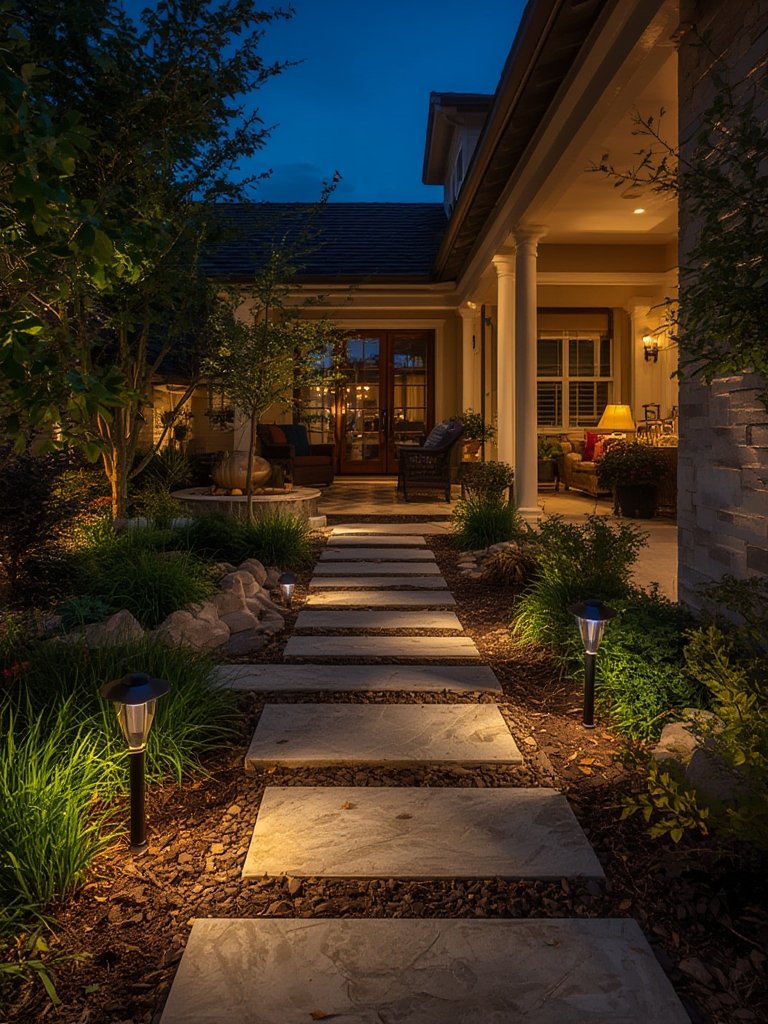
Solar garden lighting delivers flexible, energy-saving outdoor illumination that continues to improve each year. With the market growing rapidly and new technology emerging, now is an excellent time to upgrade your landscape and pathway lights. Start by assessing your sunlight exposure, researching high-quality products, and setting realistic expectations for performance. Remember, combining solar garden lighting with other outdoor lighting solutions creates the safest and most beautiful result—no matter your climate or yard conditions.
Ready to transform your yard? Explore top solar and LED options in our in-depth guides, and let solar garden lighting elevate your nights while shrinking your energy bill.
Frequently Asked Questions
Do solar garden lights work in winter or cloudy weather?
Solar garden lights still work in winter or cloudy weather, but the runtime and brightness will drop due to reduced charging hours. Choose lights with larger panels and higher battery capacity for tougher climates, and consider supplementing with plug-in LEDs if required.
How do I make my solar pathway lights brighter?
Use higher-lumen models, install in sunnier spots, and upgrade batteries within safe limits. Cleaning solar panels regularly also ensures maximum light output. Combining them with outdoor string lights can enhance brightness for entertaining or events.
What maintenance do solar garden lights need?
Wipe panels every couple of months, trim plants hiding the lights, check for water damage after storms, and replace rechargeable batteries every 1-2 years. This simple care keeps performance strong season after season.
Are solar garden lights as reliable as wired lights?
Solar garden lights have improved dramatically, but their output depends on sun. In reliable sunlight, modern solar lights match many wired options, but in consistently shaded or harsh weather areas, supplementing with mains-powered LEDs often gives better, more predictable results.
Can I use solar lighting indoors or under trees?
Solar lighting works best outdoors in direct sunlight. For shaded spots, large trees, or indoor accent needs, use battery-operated LED branch lights or plug-in fixtures designed for those spaces.
[…] more outdoor lighting inspiration? Our solar garden lighting guide shows how to mix decorative options, and our LED stair lighting kits guide covers safety-focused […]
[…] If you want ambiance, security, or just lower energy costs, solar patio lights are worth considering. They are easy to set up and require little maintenance, as covered in our solar garden lighting guide. […]
[…] If you are exploring other energy-efficient lighting options for outdoor environments, consider reading the analysis of NYMPHY premium solar lights for garden use or the comprehensive solar garden lighting guide. […]
[…] Government Standards and Rebates: In many states, minimum CRI and efficiency standards apply (such as Energy Star CRI ≥80 and Title 20 in California), driving most mainstream LED designs. However, newer rebates or incentive shifts are rare in 2024. For broader eco-friendly lighting strategies, reference our solar garden lighting guide. […]