

### Blog Post:
Smart canless recessed lights are transforming ceiling lighting with direct app control, sleek modern looks, and easier installation versus old-school can fixtures.
Key Takeaways
- Smart canless recessed lights are leading the retrofit and new-build market, offering instant dimming, color tuning, and smart-home integration.
- While these lights solve energy and design pain points, they sometimes limit compatibility or color adjustment versus expectations.
- Certification (like Energy Star) and proper installation are crucial for lasting safety, efficiency, and connected performance.
- What Are Smart Canless Recessed Lights? Why Consider Them?
- How to Select, Install, and Integrate Smart Canless Recessed Lights
- Advanced Analysis & Common Pitfalls with Smart Recessed Lighting
- Conclusion & Final Checklist
- FAQ
What Are Smart Canless Recessed Lights? Why Consider Them?
Smart canless recessed lights are slim, LED-powered fixtures that skip the traditional “can” housing, fitting almost flush into the ceiling. Unlike classic recessed lights, they feature built-in smart controls—letting you change brightness, shift color temperature, schedule, or group them from an app or voice assistant. These upgrades now dominate the retrofit and new-install market because they combine energy savings, minimal profile, and “set and forget” automation.
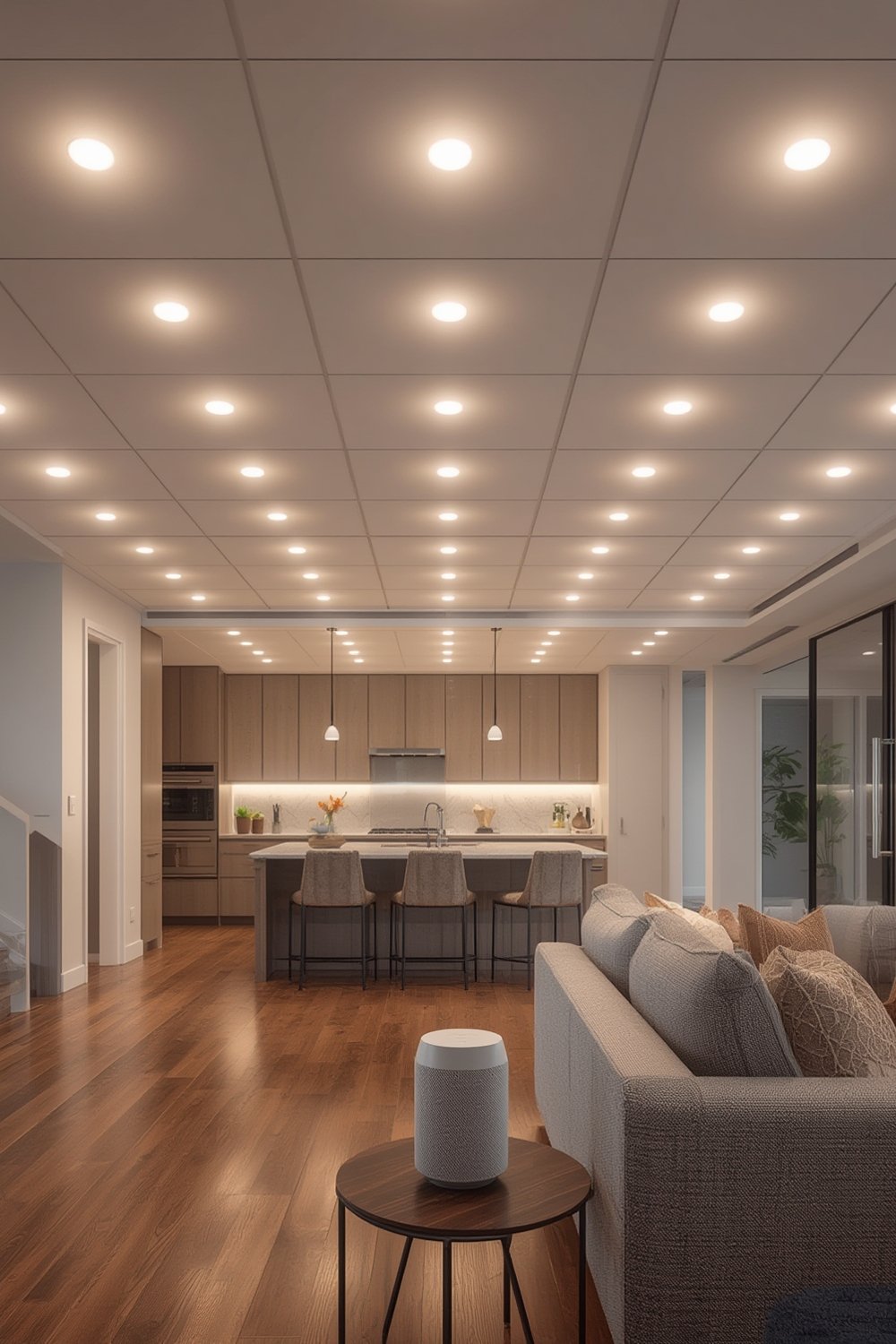
Their appeal is clear: Up to 75% less energy use than incandescents, 25x longer lifespan, no bulky hardware, and integration with Alexa, Google Home, or Apple HomeKit. About 41% of products now ship with dimming, scheduling, or app controls out of the box (source).
Retrofit-friendly “smart downlights” are trending, letting homeowners upgrade old cans to modern controls in minutes—addressing pain points like harsh lighting, lack of mood tuning, and fiddly wall switches (more here).
Half of buyers cite the low-profile, clean look as the reason for switching. Plus, manufacturers like HALO and Lumary now offer complete lines of smart wafer lights designed for nearly any ceiling type (HALO).
What’s the catch? Some models limit color tuning or need a little technical know-how for setup, and full compatibility with every smart-home ecosystem isn’t guaranteed.
How to Select, Install, and Integrate Smart Canless Recessed Lights
The right fixture makes all the difference—in both energy savings and daily convenience. Here’s how to select, install, and connect smart canless recessed lights for any home or renovation:
- Pick your control style: Decide if you want simple dimming, full RGB color, or advanced automations. Dimmable-only canless wafer lights cost less and are easy to set up, while color changing options unlock mood lighting (but cost a bit more).
- Check your smart ecosystem: Look for guaranteed Alexa, Google, or HomeKit support—not just “works with most.” Universal Matter-enabled models minimize future headaches (see Matter smart lighting guide).
- Count and plan your layout: Sketch room dimensions, spacing, obstacles, and how many zones you want controlled together. Most living rooms need 4 to 8 fixtures for even light.
- Test wiring or prep for battery-powered setup: Most smart canless lights are hardwired, but some can plug in or use adapters. Always cut power, test for voltage, and follow manufacturer wiring diagrams.
- Install and secure: Use the template provided, cut the hole, connect wiring, then pop in the fixture. Snap-in spring clips make fitting them easy and tool-free for drywall ceilings.
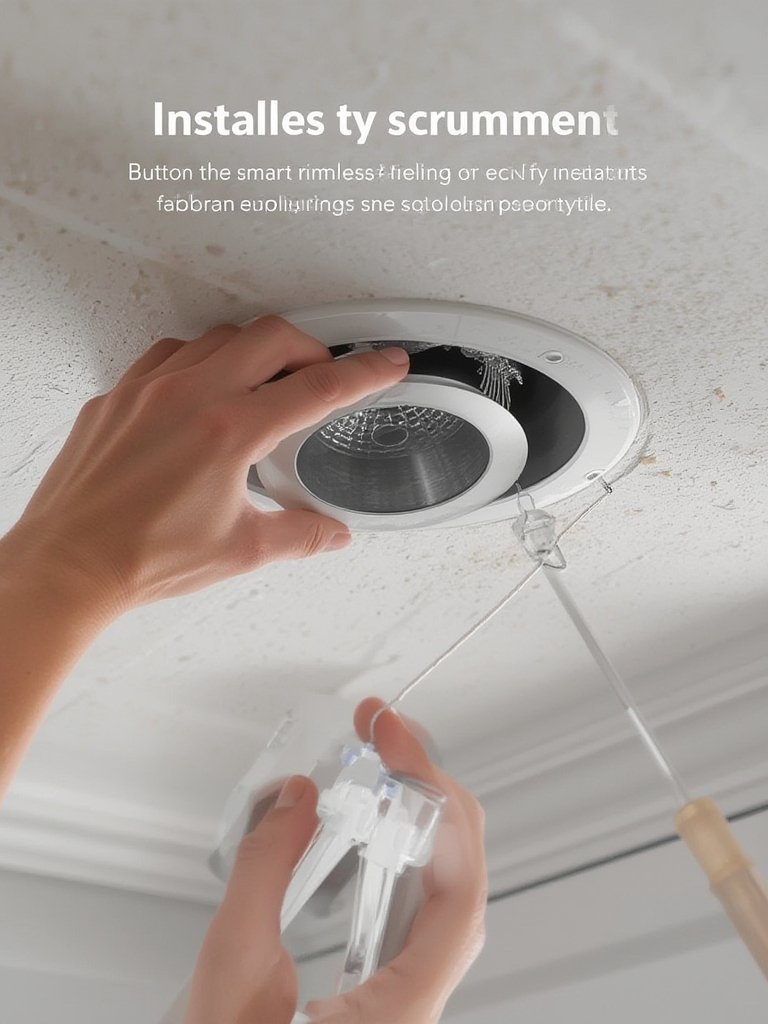
- Connect to your app: Most fixtures pair via WiFi or Bluetooth. Use the branded app to set up automations, voice control, and timers. For advanced features, link to your preferred smart-home hub.
- Fine-tune your lighting: Test scenes like “reading,” “sunset,” and “all off” to see the difference versus fixed white or manual dimmers.
- Check for certifications: Choose lights with Energy Star and (hidden, but important) IC/UL listings for fire safety and insulation contact, especially if living in a code-compliant area.
Want to combine your new recessed lights with accent strip LEDs for modern zones? See our Philips Hue indoor light strip review for pro ideas.
Advanced Analysis & Common Pitfalls with Smart Recessed Lighting
Despite the promise of modern control, real-world buyers face a few persistent challenges with smart canless recessed lights. Here’s what competitor guides often miss—and what you need to know for a frustration-free upgrade.
| Feature | Wafer Smart Recessed | Retrofit Smart Downlight | Traditional Can Light |
|---|---|---|---|
| Smart Control (App/Voice) | Full—included | Available—select models | Rare—requires add-ons |
| Install Complexity | Easiest (no can required) | Easy (replaces lamp unit) | Most complex (can install and wiring) |
| Color Temperature | Depends (some limited) | Tunable with select models | Fixed (unless replaced with smart bulb) |
| Energy Use | Lowest (all-LED) | Low—if LED | High (if halogen/incandescent) |
| Longevity | 25,000-50,000 hours | Similar—if LED | 2,000 hours (incandescent) |
| Typical Price (2024)* | $15-$60 per unit | $20-$75 per unit | $10-$40 per unit (no smart features) |
*No precise mid-2024 cost data published. Ranges based on available online listings for major brands.
Common Pitfalls & Technical Frustrations
- App Setup Hassles: Some brands require creating accounts and jumping through pairing hoops. If WiFi compatibility is only 2.4GHz, dual-band routers can cause trouble with pairing.
- Limited Color Tuning: Govee and similar wafer lights may lock users into only a handful of whites or colors (source).
- Smart Home Integration Missteps: While most claim Alexa/Google compatibility, not all play nicely with Apple HomeKit or new Matter hubs (see Matter guide).
- Electrician Required—Sometimes: “Easy” installation can still throw off DIYers, especially in homes with old wiring or if adding new lights in tricky ceilings (like lath-and-plaster).
- Warranty & Certification Gaps: Lack of proper Energy Star/UL/IC rating can void insurance coverage or cause safety risks—buyers should verify documentation.
- Ongoing App Support: If a brand abandons its app, you may lose smart functions or security updates. Favor names with clear long-term support (Lumary, Lutron, Cree all track records).
Feeling unsure about layout or accent lighting? Our LED neon flex guide shows how to combine downlights with flexible, no-glare color accents for trendy looks.
Conclusion & Final Checklist
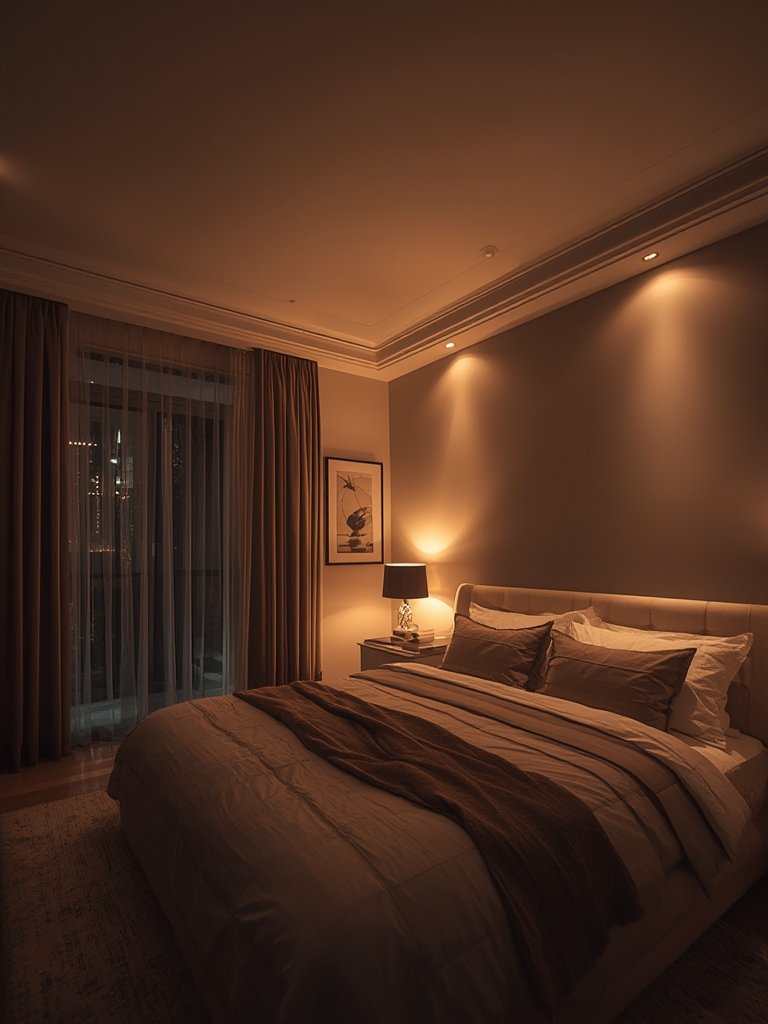
Today’s smart canless recessed lights deliver top-tier design, energy savings, and hands-free control. Compared to old recessed cans, they win on versatility, ease, and lifetime cost—yet setup pitfalls, compatibility mismatches, and certification shortfalls still demand attention.
Before you buy, always verify specs, smart-home ecosystem support, and certifications. Plan your lighting zones, test wiring, and use strong brands—then actually enjoy the flexible light moods and energy savings smart canless recessed lights deliver.
Ready to take your next step? See our full guide on retrofit smart downlights, or compare smart dimmer switches to up-level every ceiling room.
FAQ
Do smart canless recessed lights save money over time?
Yes. LED smart recessed lighting uses up to 75% less energy and lasts 25 times longer than incandescent options. Lower replacement needs and energy bills typically offset the higher upfront cost within a few years.
Will my existing smart-home system work with all smart canless recessed lights?
No, not always. Some lights only guarantee compatibility with Google or Alexa, not Apple HomeKit or Matter. Always check the box or manufacturer specs to match your system. See our Matter smart lighting guide for future-proof options.
Is installation safe for DIYers?
Most smart canless lights are designed for basic DIY installs, using templates and push-clip connectors. Still, always turn off power and confirm wiring matches your home. For tricky wiring or older homes, hire a licensed electrician.
Why does color temperature or brightness seem limited on some smart wafer lights?
Many value-priced models offer only pre-set color temperatures (like warm/cool/neutral) and may not provide full RGB color options or subtle tunable whites. Read product descriptions closely if color mood is essential.
What are the must-have safety certifications for new recessed lights?
Look for Energy Star for efficiency, UL (or ETL) for electrical safety, and an IC rating if installing in contact with insulation. These ensure efficiency and insurance coverage compliance.
[…] See related pitfalls in smart waifer downlight upgrades in our retrofitting smart recessed lights guide. […]