

Focus Keyword: smart LED strip lights
Smart LED strip lights are transforming home lighting by combining flexible illumination, wireless control, and modern ambiance—making them one of the fast-growing choices for connected homes in 2024. Whether you want to automate room colors, sync lighting with music, or fit lighting to your exact space, smart LED strip lights deliver bold, customizable results without permanent remodeling. This guide unpacks the latest trends, setup hacks, and must-know pitfalls so you can upgrade your lighting with confidence.
Key Takeaways
- Smart LED strip lights offer dynamic control, energy savings, and rapid adoption—global sales are projected to double through 2030, driven by demand for smart home customization.
- Setup and integration require careful attention to compatibility and connectivity; user frustration often stems from app or Wi-Fi issues, not the hardware itself.
- Choosing the right features (such as RGBIC vs. RGB, music sync, and app support) directly impacts color effects, automation options, and overall room design flexibility.
- What Are Smart LED Strip Lights and Why Are They So Popular?
- How to Set Up Smart LED Strip Lights for Maximum Effect
- Advanced Analysis & Common Pitfalls
- Conclusion
- FAQ
What Are Smart LED Strip Lights and Why Are They So Popular?
Smart LED strip lights are adhesive-backed strips lined with miniature light-emitting diodes, built to deliver customizable illumination in any space. What makes them “smart” is built-in wireless connectivity, allowing you to tweak color, brightness, timing, and even syncing to music from your smartphone or voice assistant. In 2024, smart LED strips are a key trend, with global sales in the broader strip market reaching USD 1.28 billion and doubling by the end of the decade.
This technology shines because it combines simple installation with deep customization—users want lights that match their mood, schedule, or party, without bulky retrofits. Demand is especially high for models supporting app control, color-changing scenes, and smart home integration. Growing adoption in North America and Asia-Pacific, plus a surge in energy-efficient solutions, only accelerates this shift.
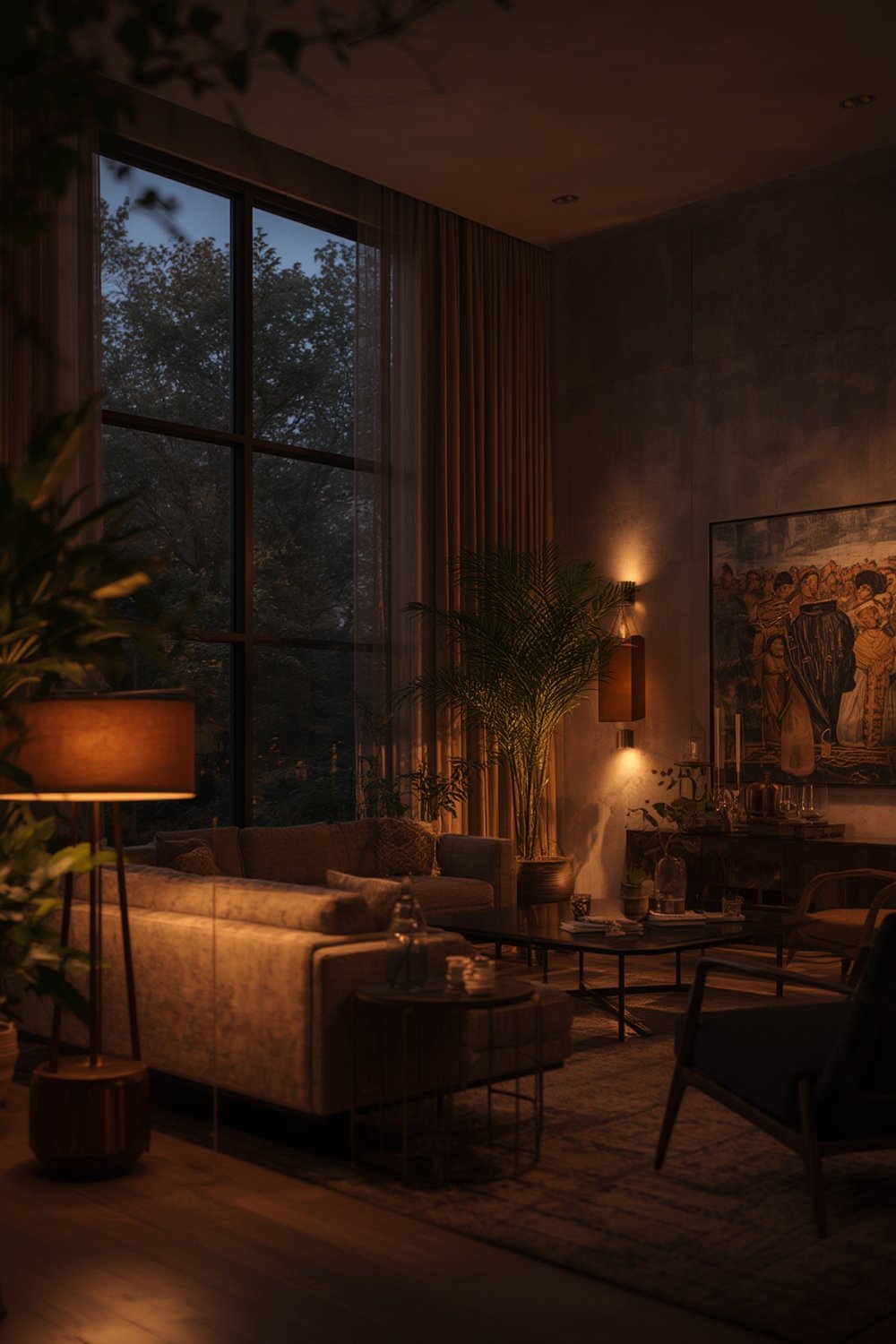
If you want hands-on advice about choosing premium smart lighting, check out our detailed review of the Philips Hue Indoor Smart RGBWW LED Lightstrip, which illustrates what’s possible with feature-rich models.
How to Set Up Smart LED Strip Lights for Maximum Effect
Getting the full benefits from smart LED strip lights takes more than just peel-and-stick. Here’s a foolproof step-by-step guide to planning, installing, and maximizing your setup (without wasting time or money).
- Plan Your Lighting Layout
- Measure the area, avoiding any sharp bends or obstructions (LED strips don’t like to flex too tightly).
- Decide where you want accent lighting—a popular spot is under cabinets or behind headboards. For inspiration in kitchens, see this under cabinet rechargeable lighting guide.
- Make sure you have nearby power, or for wireless/battery options, consider rechargeable closet lights.
- Prep Surfaces & Dry Fit
- Clean the surface with rubbing alcohol so the adhesive sticks well.
- Lay out the strip with backing still attached, check length and coverage, then adjust routing if needed.
- Connect & Test Before Mounting
- Plug in the strip and power it on to check if all segments light up. Some brands might need an initial pairing, using their app or a button press on the controller.
- Test Wi-Fi or Bluetooth connection, and make sure your phone or smart home hub can recognize the strip. If pairing fails, reboot your router and retry pairing as close as possible to your hub.
- Stick, Secure & Conceal
- Peel off the backing and press each segment firmly into place. Avoid pressing too hard on LEDs themselves—press between them instead.
- If the area gets hot (like above a stove), use extra mounting clips.
- For angled spaces (stairs, alcoves), look for strips with cut marks every few inches, so you can trim to exact fit. See our step lighting guide for more install tricks.
- Set Up the App & Automations
- Connect the app, set basic schedules, test color changing, and try voice commands if compatible with Hue kit. Models like the Hue kit mentioned above are ideal for deep integration.
- Experiment with scenes, music sync, or automation. Match your lighting to sunrise, sleep schedules, or even motion sensors for hands-free effects.
- For advanced whole-house upgrades, smart recessed or can lights can extend your system even further.
- Troubleshooting & Adjustments
- If segments don’t work, check connections and confirm voltage compatibility.
- Wi-Fi dropouts? Try switching your router’s band (2.4GHz is more reliable for most LEDs) or moving your gateway closer.
- Update firmware in the app regularly to keep features and integrations stable.
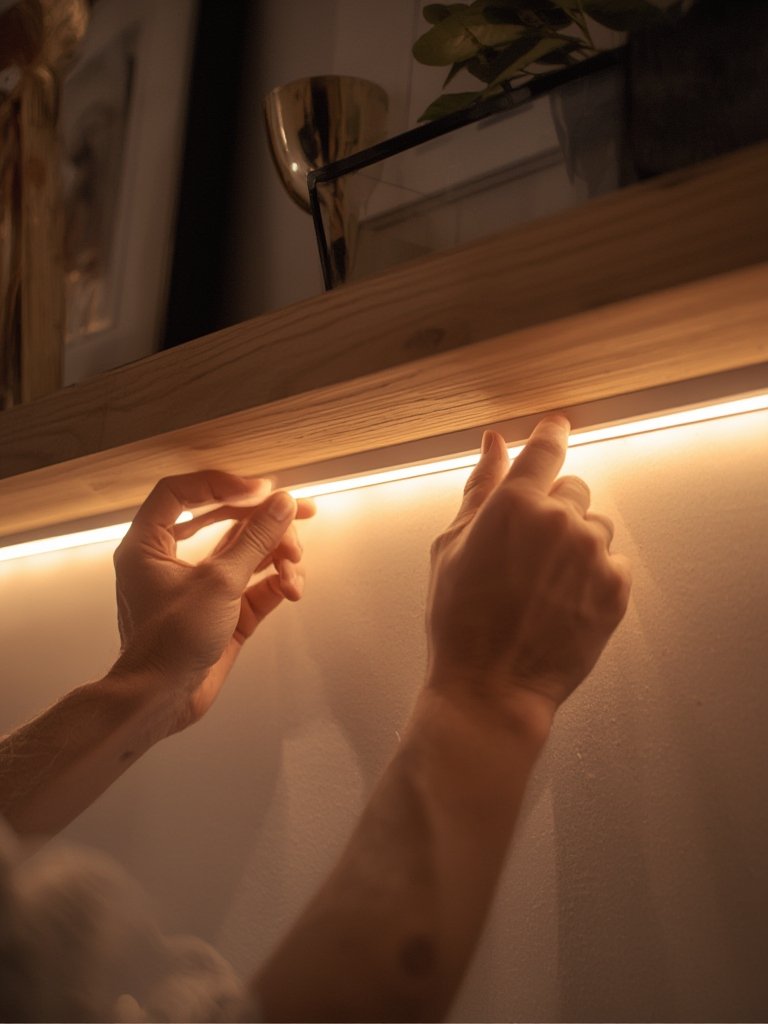
Smart LED strip lights go beyond basic features when set up with compatible controls, like smart dimmer switches for LED flicker, or grouped with smart bulbs via standards like Matter. Integration is evolving fast and makes future upgrades seamless.
Advanced Analysis & Common Pitfalls
Thanks to fast-paced adoption, smart LED strip lights are quickly becoming the backbone of ambient room design. However, that popularity exposes a few recurring issues. Here’s what to watch out for, and how to make informed, realistic choices.
Common Pitfalls
- App Instability & Connectivity: Most user complaints are about flaky app connections or unstable Wi-Fi, not the strip hardware itself. Signal dropouts cause scenes to fail or strips to disappear from your control panel. Always review app store ratings before buying a new brand.
- Limited Compatibility: Not all strips work with every smart home system. Before purchasing, verify if Alexa, Google Assistant, and Apple HomeKit are all supported, or if you’ll end up stuck with a clunky proprietary app.
- Durability & Adhesive Issues: Strips can sag, peel, or lose contact—especially in hot or humid rooms. If you’re lighting kitchens or bathrooms, use extra mounting brackets or look for models rated for damp locations.
- Feature Gaps: Leading brands like Hue offer multidimensional color, music sync, and strong app support, but less expensive models often skimp on advanced controls or update support.
RGBIC vs. RGB: The Missing Comparison
There is very little industry consensus or reporting on RGBIC (independent color addressing per segment) versus traditional RGB strips. Generally, RGBIC allows for more dynamic scenes—like gradients or multiple colors on the same strip—while standard RGB can only display a single color at any time. If you want complex effects (rainbow, chase), prioritize RGBIC support, but always check actual feature listings since details may be scarce.
| Feature | RGB Strips | RGBIC Strips |
|---|---|---|
| Color Control | One color at a time on whole strip | Multiple colors and gradients on one strip segment |
| Typical Effects | Basic color and fades | Chase, rainbow, advanced scenes |
| App Integration | Common, but simpler | Advanced, varies by brand |
| Cost | Lower | Higher |
| Popular Use | Accent, under-cabinet, beds | Gaming rooms, media walls |
Market and Adoption Trends
The market is set to double by 2030, with North America and Asia-Pacific showing especially fast adoption. Homeowners love the energy savings and ability to tweak their space instantly. For professionals and renters, the flexibility of installation—especially battery or wireless models—makes them ideal for non-permanent upgrades, such as portable accent lighting or battery operated branch lights.
Energy consumption is low (especially for 5050 and 3528 chipsets), and lifespans tend to outlast old incandescent solutions. However, always read warranty details if you care about long-term reliability—major brands like Philips tend to offer 2-5 years as standard.
Conclusion
Smart LED strip lights have quickly become a top lighting solution for anyone seeking custom ambiance, energy efficiency, and hands-on automation. Though pitfalls like app instability and adhesive failures can happen, a little planning yields dramatic, reliable results. When you’re ready to upgrade, choose your features carefully—especially app compatibility and whether you want the premium effects of RGBIC. The right smart LED strip lights transform any room into a living extension of your style and needs.
Ready to unleash color, control, and energy savings? Start your project today—explore leading smart LED strip light kits and take the first step toward a brighter, smarter home.
FAQ
Are smart LED strip lights difficult to install?
No, most smart LED strip lights install with simple peel-and-stick adhesive. For best results, clean the surface first, test the placement, and use clips for tricky angles or humid locations.
What’s the difference between RGB and RGBIC LED strips?
RGB strips show only one color across the whole strip at once. RGBIC (with a built-in control chip) allows multiple colors on different segments simultaneously, enabling complex effects like gradients or color chasing scenes.
Do smart LED strip lights work with Alexa, Google Assistant, or Apple HomeKit?
Many models support these platforms, but always double-check compatibility before buying. Some budget or off-brand strips might require their own dedicated app and lack direct integration.
How much electricity do smart LED strip lights use?
They use very little power—typically 4-18 watts per meter—making them a cost-effective choice for year-round accent lighting. Actual consumption depends on the brightness, length, and the features in use.
What can I do if my smart LED strip light app keeps disconnecting?
Try moving your Wi-Fi router closer, switching to 2.4GHz, or updating firmware. If issues persist, consider brands with better app support or check for firmware updates in the light’s app settings.
[…] space, the Philips Hue light strip also offers smart control and premium lighting, while kits like smart LED strip lights for rooms introduce RGBIC features that help set them […]
[…] exist a decade ago. For related options, take a look at our Philips Hue LED strip review and smart LED strip buying guide for insight on controls and […]
[…] your sunset lamp with smart LED strip lights or under cabinet lights delivers a stunning, immersive effect, especially for bedrooms or home […]
[…] and Scandinavian styles are popular for blending into a range of décor (see inspiration in our smart LED strip lights guide or Philips Hue […]
[…] you want to upgrade a smart LED strip setup or automate large rooms, smart dimmers solve the need for unified, effortless lighting […]
[…] app or Wi-Fi functions, or special effects. Outdoor signs require IP65 Waterproof (see details in smart LED strip light guides). Request motion sensors or battery-powered modules for events or locations without easy […]