

LED stair lighting kits are transforming how homeowners and facility managers approach stairway safety, energy efficiency, and modern style in 2024. If you’ve wondered what’s driving the growth of these kits worldwide, or want practical details before upgrading your stairs, you’re about to get straight answers—without any hype.
Key Takeaways
- Global market for LED stair lighting kits is booming, led by residential demand and smart home integration, especially in North America, Europe, and Asia-Pacific.
- Best practices and technical hurdles exist for integrating these kits with modern smart home systems, but reliable, brand-specific performance comparisons remain scarce.
- Most competitor articles overlook critical subtopics, especially regarding smart home protocol compatibility, long-term reliability in busy areas, and advanced lighting customization.
- What Are LED Stair Lighting Kits and Why Are They Gaining Traction?
- Step-by-Step Guide: Selecting and Installing LED Stair Lighting Kits
- Advanced Analysis & Common Pitfalls
- Conclusion
- FAQ
What Are LED Stair Lighting Kits and Why Are They Gaining Traction?
LED stair lighting kits are pre-packaged solutions for adding functional, energy-saving illumination to staircases in homes and commercial buildings. Unlike generic lighting, these kits often feature slim profiles, smart controls, motion sensors, and the ability to integrate into home automation platforms. The appeal? They make stairways safer, enhance modern décor, and reduce energy waste.
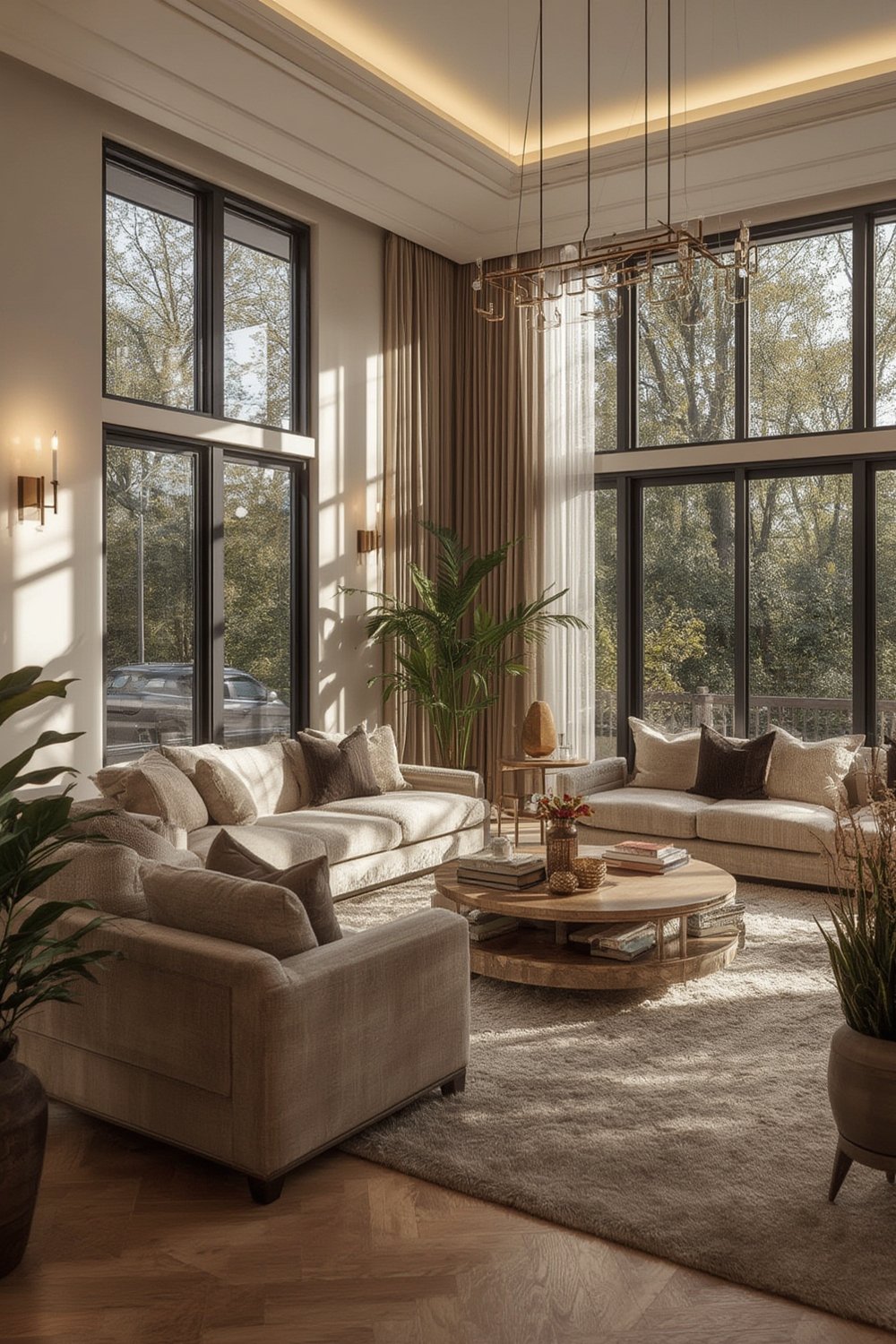
The past year has seen explosive growth in this market. Estimates for the global LED stair lighting market in 2024 range from USD 935.9 million to USD 0.45 billion. While numbers vary, the consensus is clear: demand is surging, and projections show continued CAGR between 6% and 10% through the next decade.
Why now? A mix of smart home adoption, energy regulation, and post-pandemic home improvement trends are driving homeowners and facility managers to invest in stair-specific kits. North America leads in adoption due to infrastructure and energy awareness, but Asia-Pacific is catching up quickly as urban housing booms.
For a premium example of flexible, smart-integrated lighting for interiors (which can be adapted for stairs), explore the Philips Hue indoor smart LED light strip.
Step-by-Step Guide: Selecting and Installing LED Stair Lighting Kits
Installing LED stair lights can be straightforward if you follow a clear process. Here’s what to consider:
- Assess Your Stairs and Layout: Count the steps, measure flights, and identify both power sources and the best mounting locations.
- Choose the Right Kit Features: Decide if you want motion sensing, color tuning, smart home integration, or simple static lighting. For battery-powered temporary lighting, see our battery operated LED branch light guide.
- Check Smart Home & Protocol Compatibility: If you plan to use your lights with Alexa, Google, or Apple HomeKit, verify if the kit supports Zigbee, Z-Wave, Wi-Fi, or the upcoming Matter standard. Most competitor guides ignore these details, but they’re essential for future-proofing.
- Decide Between DIY and Professional Install: DIY install is practical for basic kits or battery-powered units. If hardwiring or integrating with smart home hubs, professional help is wise.
- Install and Test: Clean stair surfaces, adhere or screw in fixtures, hide wiring (where possible), and check connections before powering on.
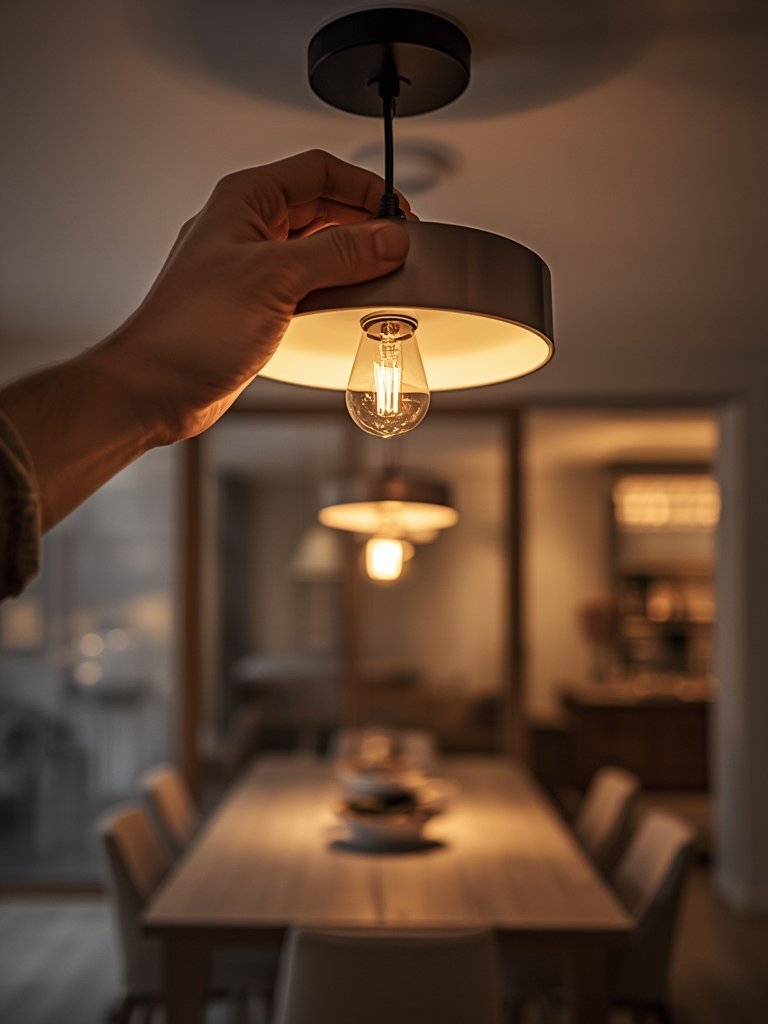
For installation inspiration outdoors, check out our solar motion sensor lights review, which highlights simple mounting and weather protection strategies.
As demand grows for DIY-friendly and plug-and-play lighting, many consumers also opt for easy upgrades in closets and pantries. Find actionable advice in our guide to under cabinet rechargeable lighting if you want cross-application tips.
Advanced Analysis & Common Pitfalls
What can go wrong with modern LED stair lighting kits? Here’s what current research reveals—and what many guides don’t tell you:
- Unclear Smart Home Integration: Many kits promise “Alexa compatible” or “smart control,” but omit protocol details (Is it Zigbee? Z-Wave? Wi-Fi? Matter-ready?). This leads to frustrating returns if systems are incompatible.
- Reliability in High Traffic Areas: Most brands do not publish long-term reliability or failure rates. Expect possible issues with motion sensors in areas of constant use, particularly in dusty or wet environments.
- Customization Limits: While color-changing and dimming are selling points, app interfaces often have poor UX, slow response, or lack advanced scheduling (like circadian syncing for nighttime use).
- Hidden Installation Costs: DIY may seem cheaper, but wiring, connectors, and code-compliant power supplies can add up. Professional installs regularly exceed kit costs—always get several quotes ahead of time.
- Lack of Safety Certification Data: Few kits explicitly publish UL listings (for US) or EN/IEC compliance (for EU). This is especially risky in commercial or rental environments.
Regulatory demands and regional growth trends also matter. For example, North America and Europe lead the industry due to strict energy regulations and sustainability mandates, while Asia-Pacific is experiencing the fastest growth from rapid urbanization (see market report and industry research for specific figures).
| Aspect | What Competitors Cover | What’s Often Missing |
|---|---|---|
| Smart Home Compatibility | Supports Alexa/Google | Exact protocols (Zigbee, Z-Wave, Matter), multi-hub support |
| Performance Metrics | “Bright” or “energy saving” claims | Exact brightness (lumens), sensor sensitivity data |
| Installation Guides | Step summaries, some images | Wiring diagrams, code compliance notes |
| Long-term Reliability | Warranty period | Field failure rates, climate durability (IP ratings) |
| Customization Options | Simple dimming | App-based color tuning, scheduling, circadian sync |
| Costs | Approximate kit price | Detailed pro vs. DIY install breakdown, hidden extras |
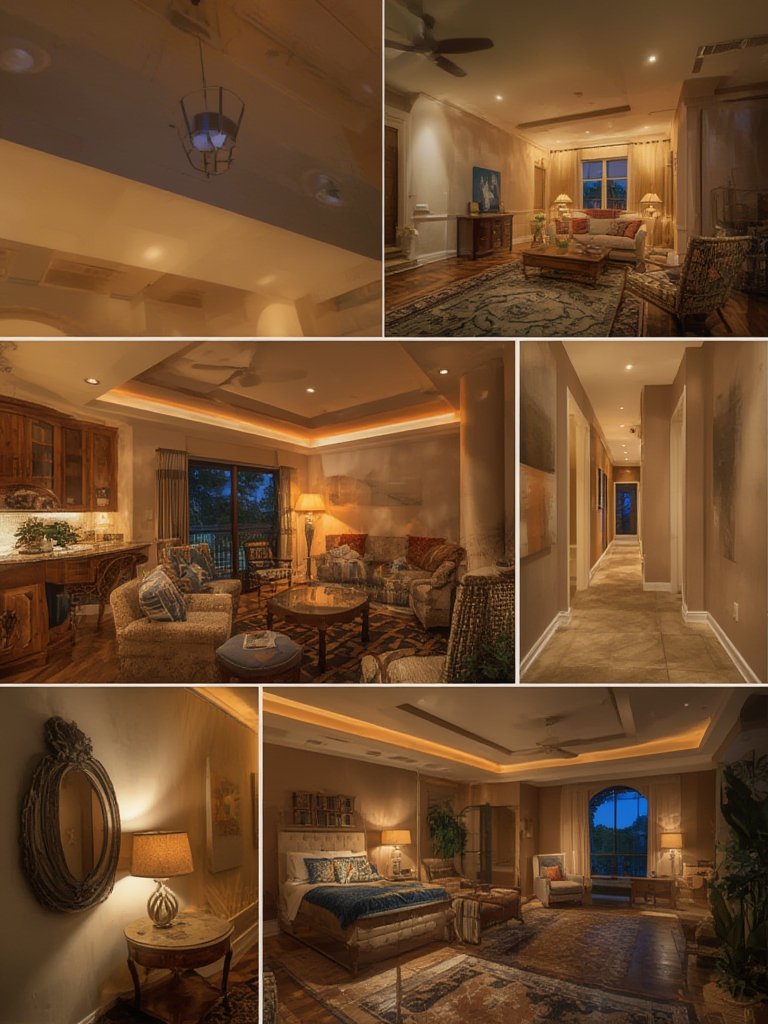
If you want insight into similar lighting solutions for outdoors or high-ceiling spaces (where safety certifications matter even more), see our review of large modern chandeliers, which also touches on regulatory and installation challenges.
Conclusion
Whether for energy savings, modern style, or safety, LED stair lighting kits are a compelling upgrade for today’s homes and public spaces. Buyers should look beyond marketing—focus on real compatibility, reliable specs, and hidden installation costs. Take these practical tips and choose kits that fit both your staircase and your smart ecosystem.
Ready to start your project? Dive into our in-depth lighting reviews and actionable guides, or ask our team for a kit recommendation tailored to your needs.
FAQ
Are LED stair lighting kits safe for DIY installation?
Most basic, battery-powered kits are DIY-friendly if you follow instructions. Hardwired and smart-system integrations may require an electrician to meet electrical codes and ensure long-term reliability.
How do I know if a kit works with my smart home?
Always check for explicit mention of supported protocols (like Zigbee, Z-Wave, Wi-Fi, or Matter) on the kit packaging or in the product manual. Do not rely solely on logos for Alexa or Google compatibility.
What’s the lifespan of LED stair lights?
High-quality LEDs often last 25,000 to 50,000 hours, but cheap sensors or poor solder joints can fail earlier, especially in high-traffic or outdoor environments.
How much does installation typically cost?
Kit prices vary from $40 to $200+; professional installation can double or triple that cost, especially for hardwired systems. Always request quotes before purchasing.
Do stair tread lights need to meet local building codes?
In commercial or rental properties, yes—look for UL listing (US), EN or IEC (EU) certification, and consult your local code office for specifics. For residential DIY, compliance is strongly recommended for safety.
[…] alcoves), look for strips with cut marks every few inches, so you can trim to exact fit. See our step lighting guide for more install […]
[…] more inspiration, see how users adapt wireless puck lights for unique setups—such as subtle stair riser lighting or as living room accent lights. There are nearly endless ways these flexible fixtures can solve […]
[…] and picking a premium, sensor-equipped bar for critical task zones. Explore in-depth guides on motion sensor stair lights or browse wireless puck lights for cabinets for other flexible lighting […]
[…] the low power consumption and long lifespan of LEDs. For those wanting best-in-class home upgrades, motion sensor step lights and stair lighting kits deliver both beauty and peace of mind—especially for households with […]
[…] guides. Get inspired by actionable solutions for home office, kitchen, and hallway upgrades in the step lighting kits guide —a strong point of differentiation for Home Depot’s in-stock options and project-focused retail […]